Destination decoration

Editorial Features
Book of British Luxury
28th August 2026

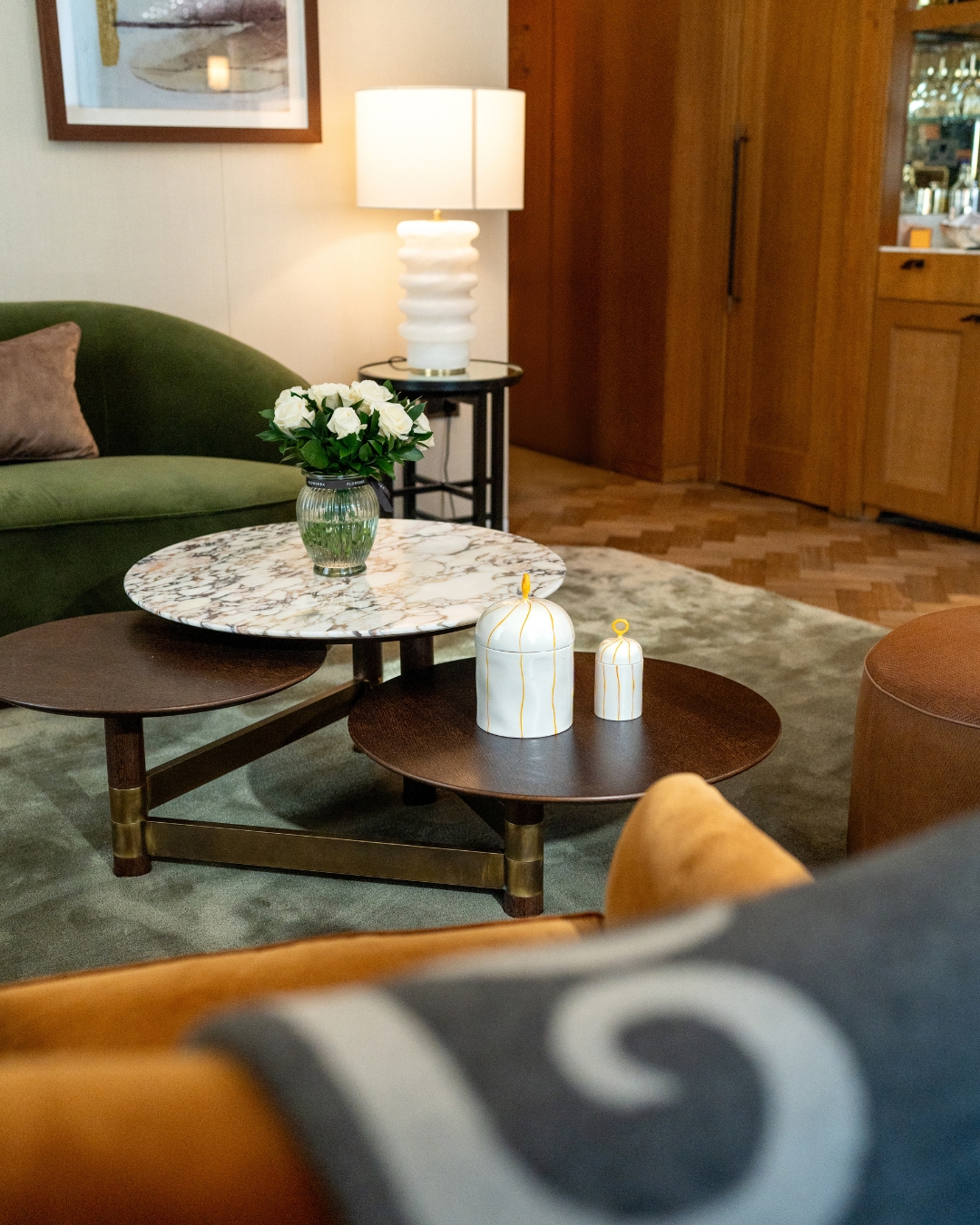
Among several bespoke furniture pieces in one of the private, luxurious suites that make up The Windsor by Heathrow, the recently redesigned VIP airport service that allows the famous and the well-heeled to bypass the bustling main terminal, is a marble-topped coffee table with a distinctive black and white striped base. Nothing overly unusual about that until interior designer Sharon Lillywhite, Creative Director of Oliver Burns Studio, the firm that refreshed the space, reveals the surprising inspiration behind it: one of the country’s most well-known and flamboyant musicians – although she’s too discreet to disclose their name.

“It’s based on the stripes on one of his jackets,” she says. “Our design story is celebrating the British sartorial icons who have passed through here over the years. It shows an element of playfulness and humour, which is very much part of British interior design.”
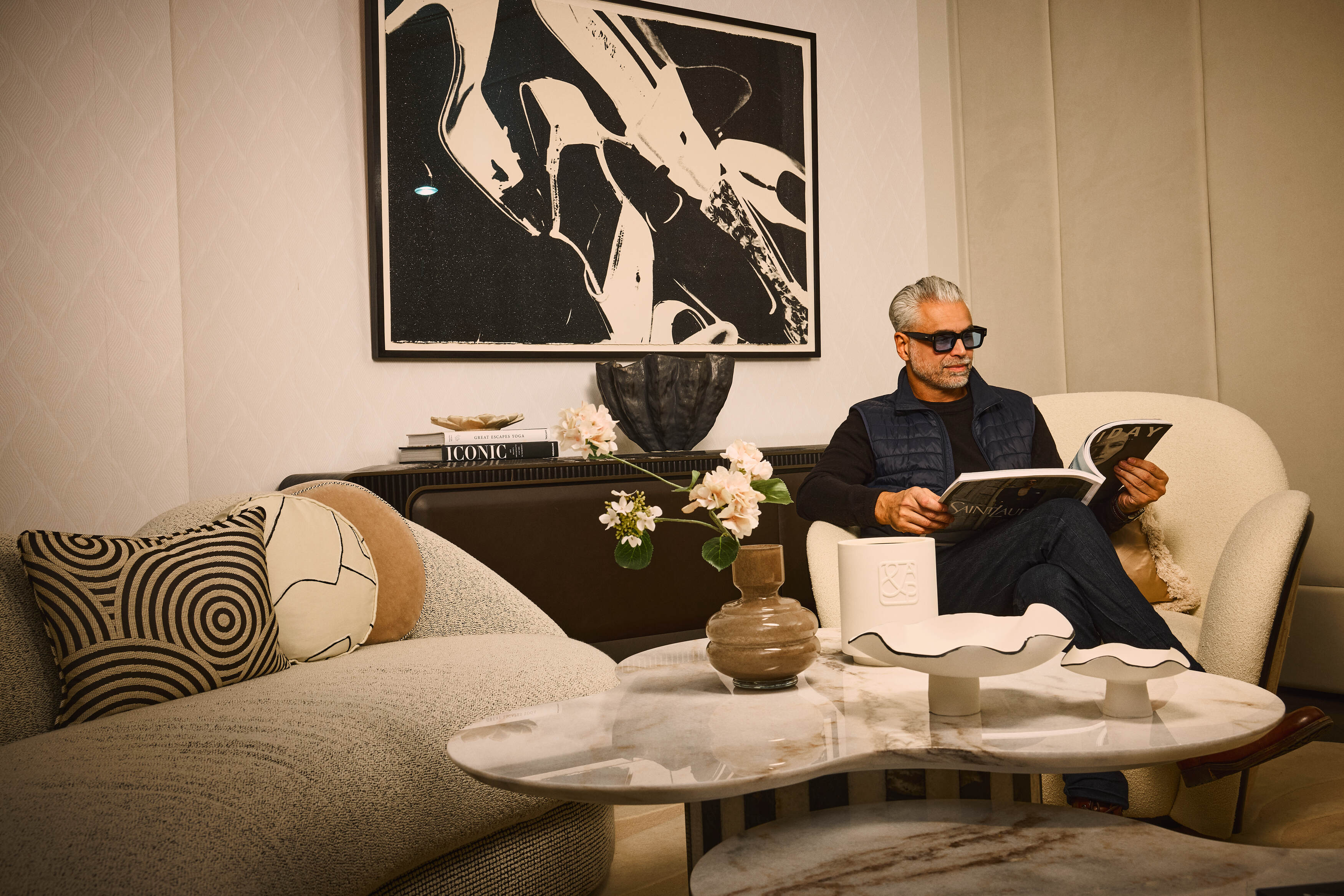
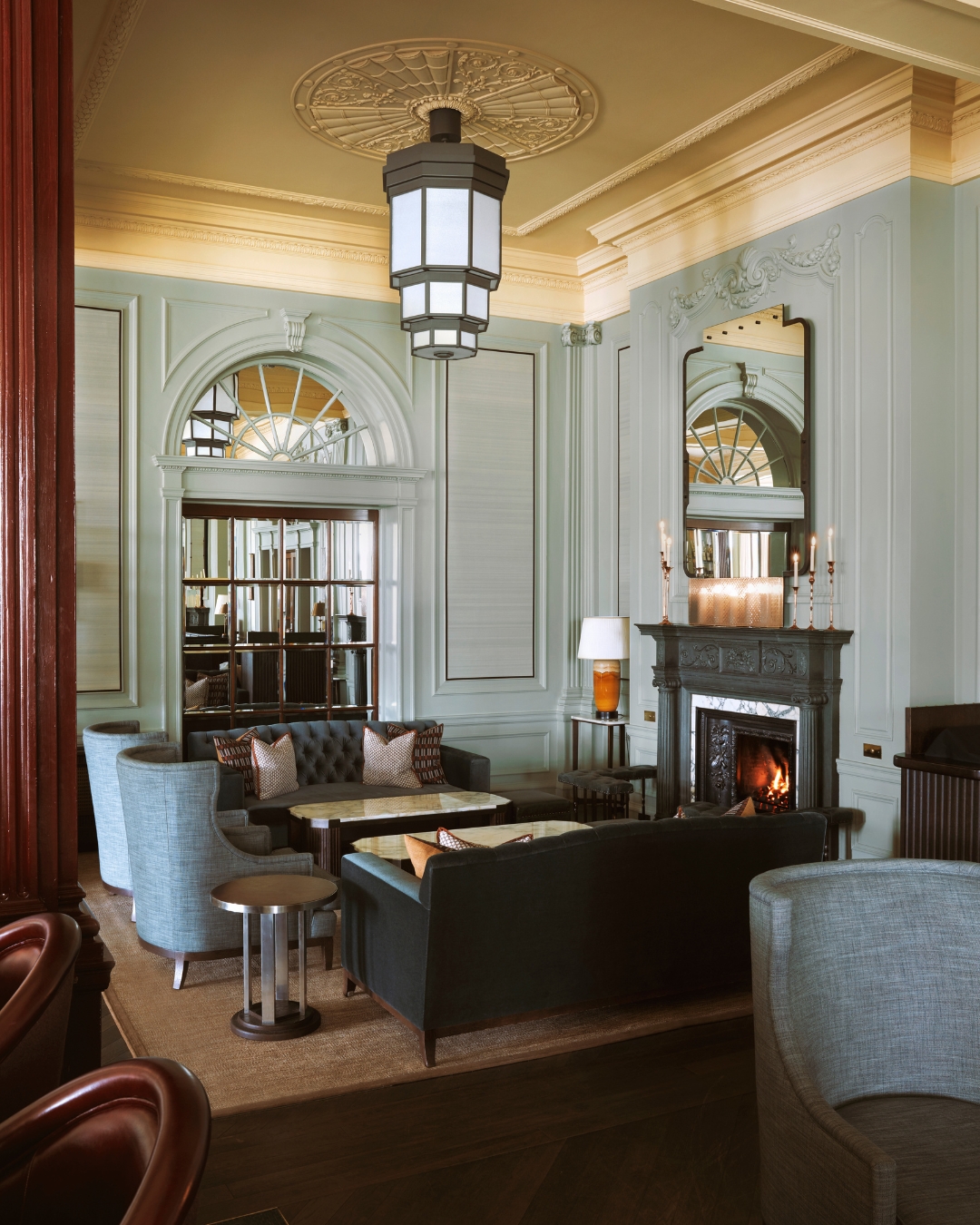
The Windsor by Heathrow, designed by Oliver Burns Studio

British interiors have long held a unique place in the global design landscape. Initially characterised by classic furniture and richly layered textiles, the elements that now define it are more nuanced. “There is an increased value on storytelling and individual expression,” notes Lillywhite. “It’s not enough for a room to look good as a whole – people want to know the stories behind the individual pieces.”

Indeed, contemporary British interiors have a renewed appetite for handmade pieces from Britain. The majority of those in The Windsor, including the sofas and side tables, are custom-made by British artisans and the aforementioned marble has been cut, shaped and installed by British stone houses. “The fabrics, like the herringbone print, hark back to the amazing designers who worked on Savile Row,” says Lillywhite. “It may be a subtle reference, but it’s that layer of eclecticism that adds to the British feel and is popular with international guests.”

At Gleneagles, the award-winning, 100-year-old estate in the Scottish countryside, David Collins Studio took a similar approach, building a narrative around the four spaces they designed, with an emphasis on celebrating the local landscape, heritage and craftsmanship.

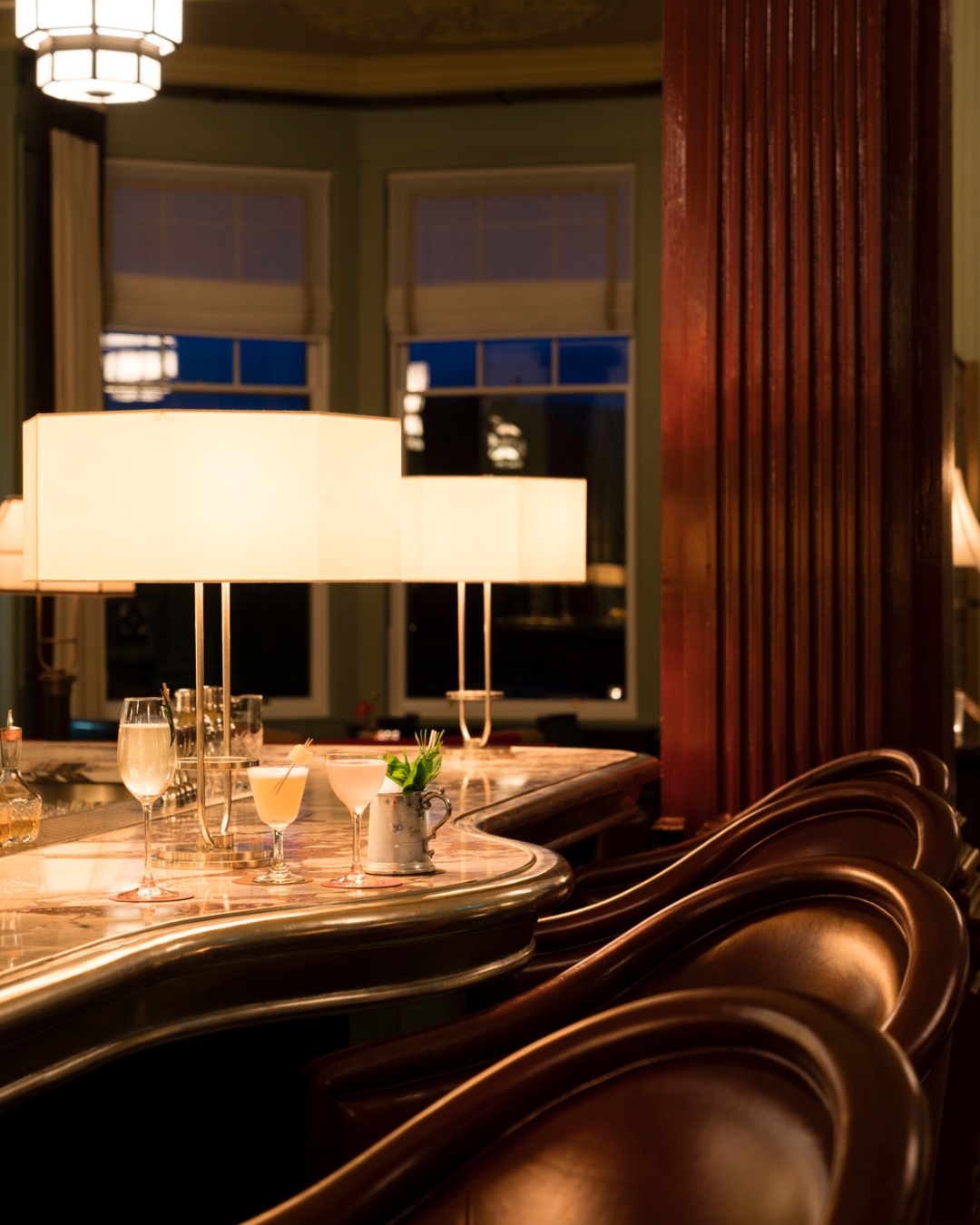
The Century Bar at Gleneagles, designed by David Collins Studio

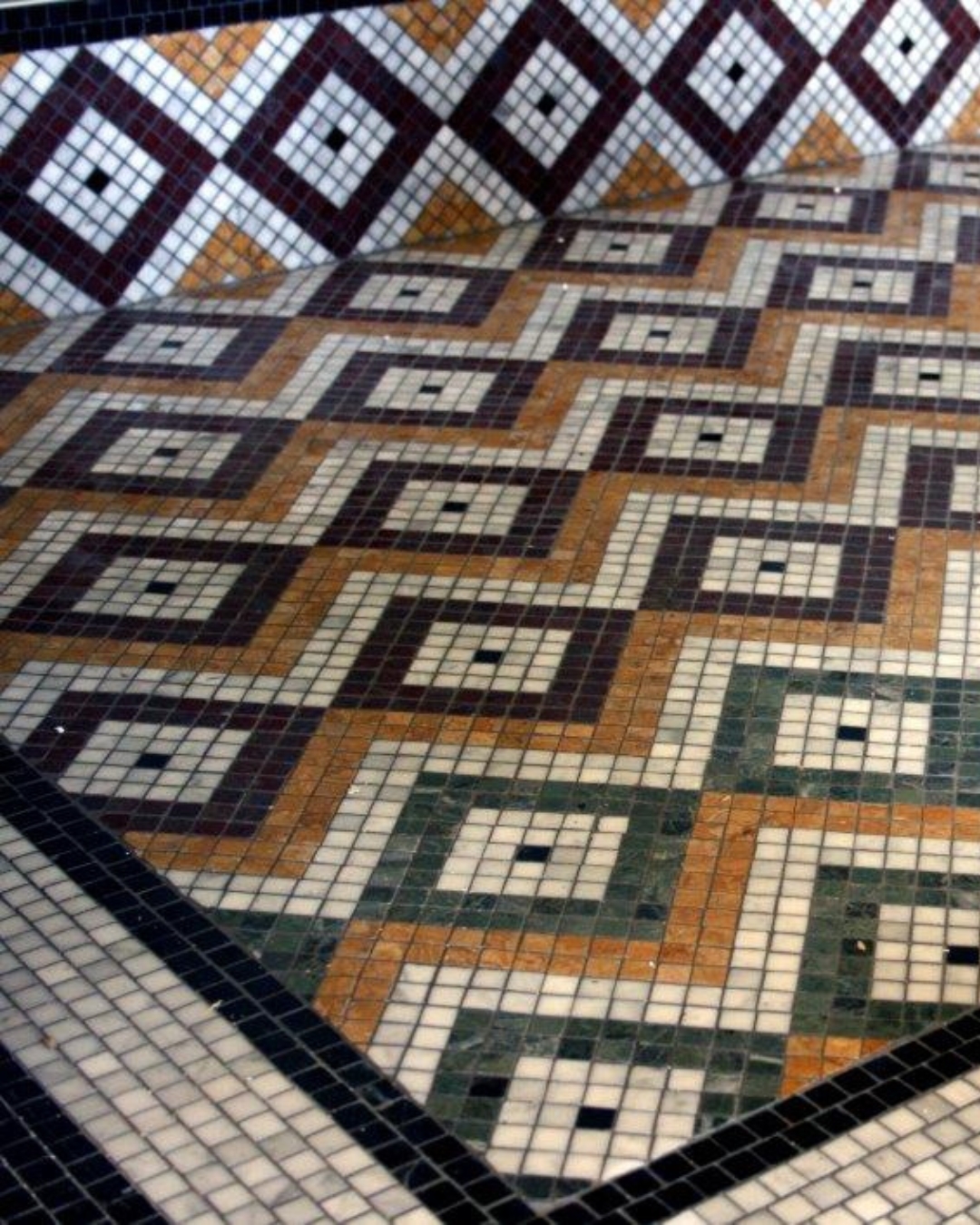
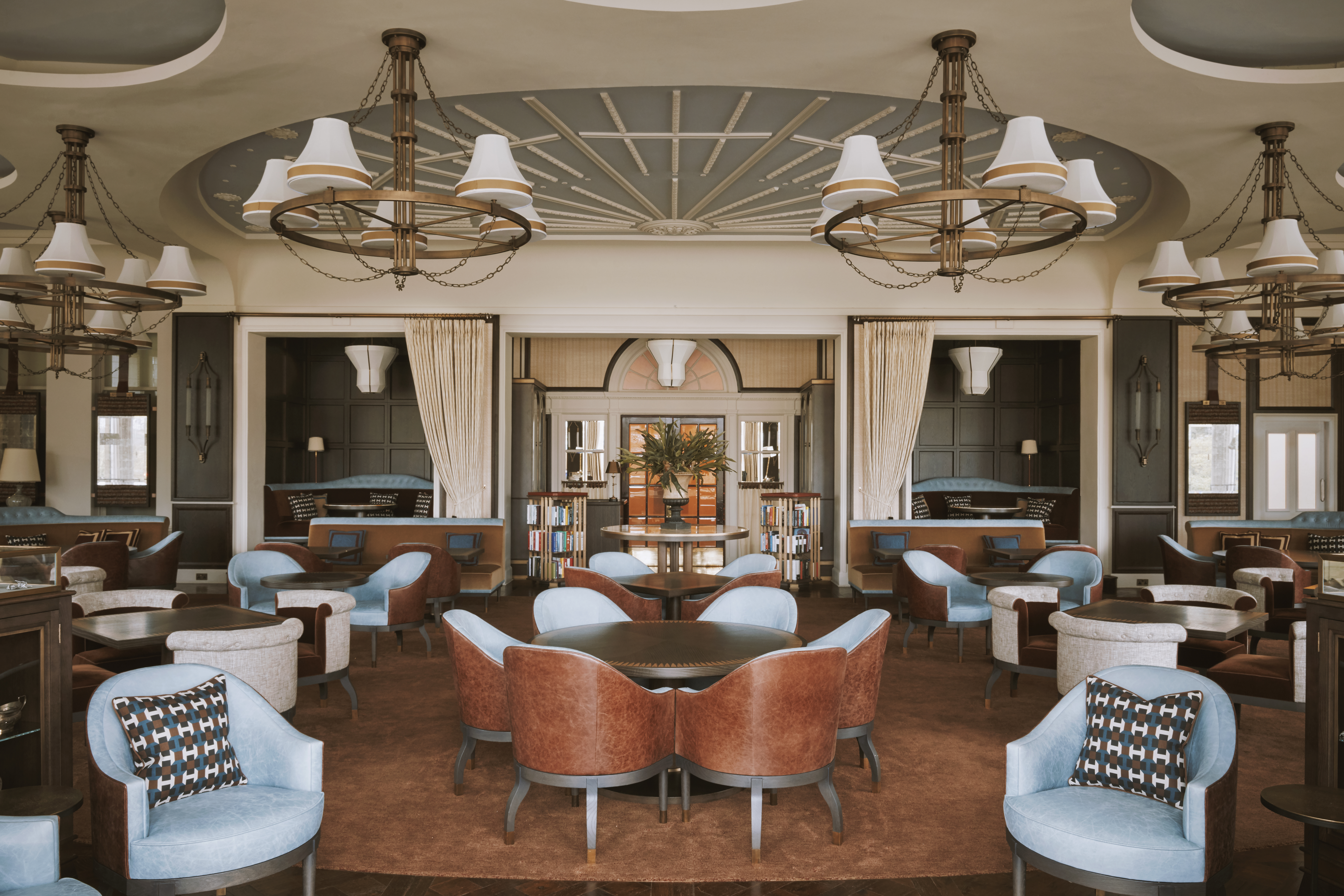
In its Century Bar, for instance, the mosaic flooring draws on traditional textiles, and the art deco American Bar is very much rooted in its Britishness. For that, the studio worked with a local mill to produce heather-dyed cashmere – the colour based on its surrounding flowering shrubs – for its panelled walls. Meanwhile, the Glendevon Lounge picks its palette from grouse feathers, which have also been incorporated into design details.

“It was about using familiar elements and bringing them together in a rather unexpected way,” explains Simon Rawlings, the studio’s Chief Creative Officer. “Then weaving in materials, colours, custom elements and detailing that tell the story we want to tell.”

The Glendevon at Gleneagles, designed by David Collins Studio

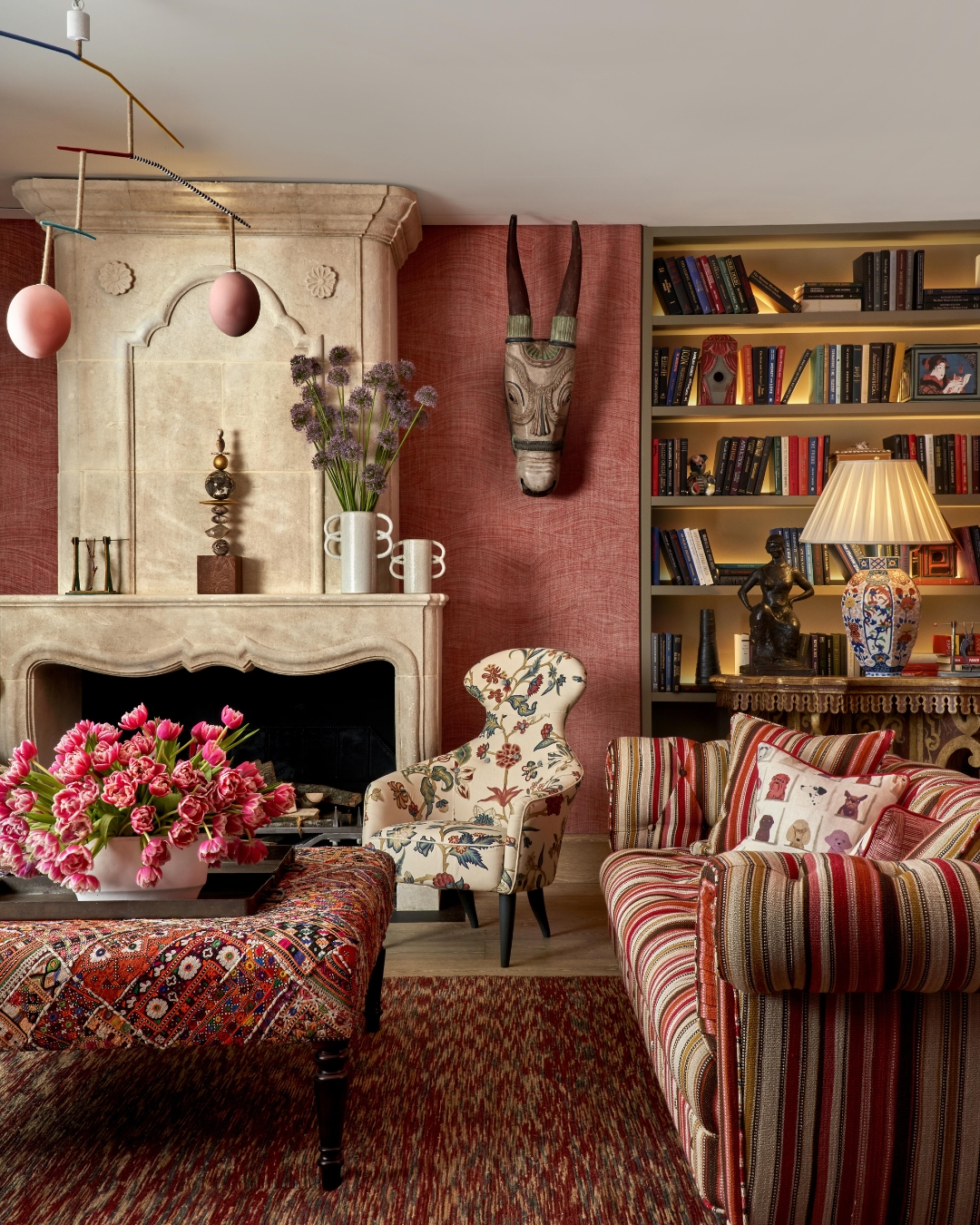
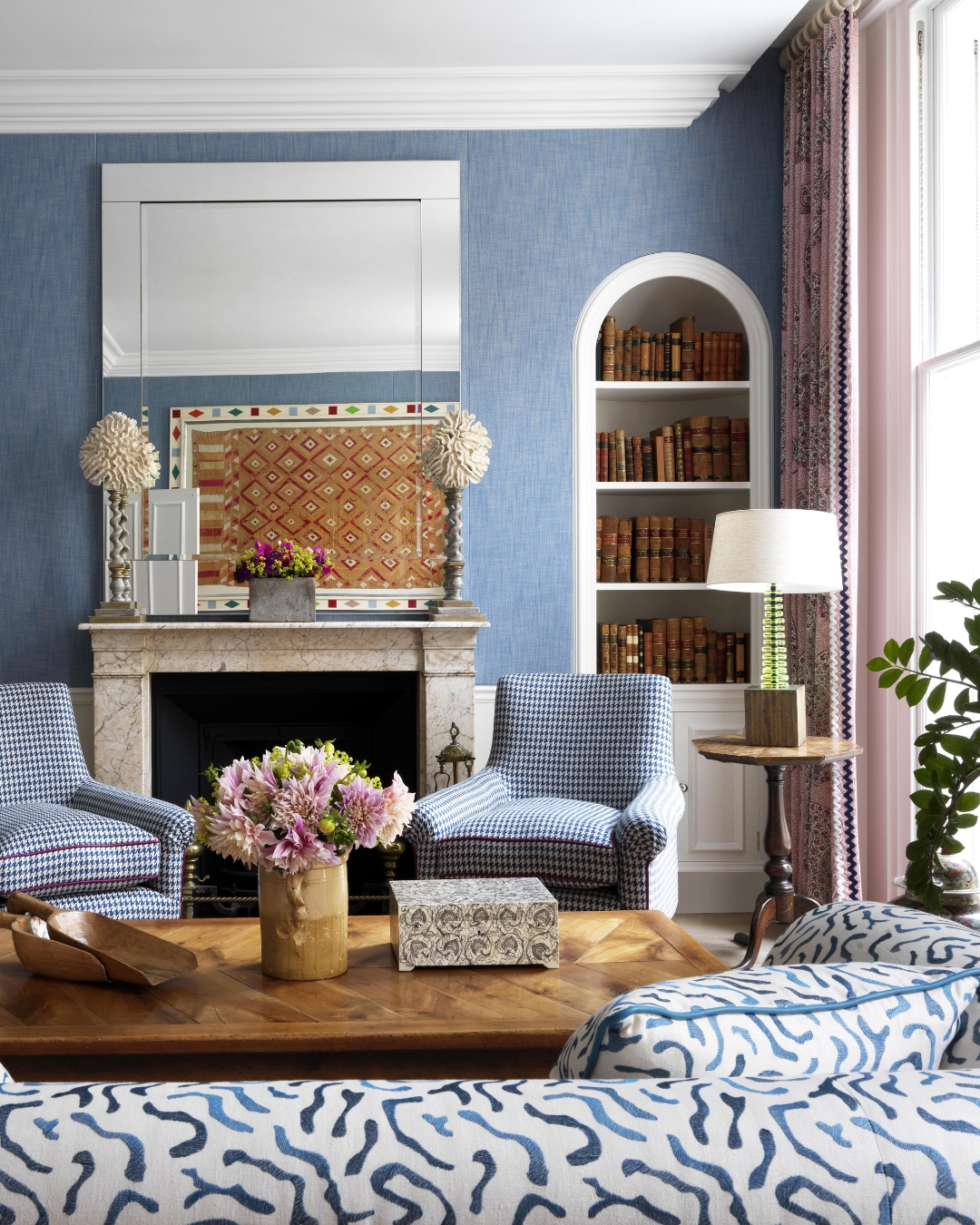
British interiors have always revelled in colour, but the modern palette is even more compelling. Think deep aubergines, burnt reds, muddy ochres and chalky greens – all colours with history, but applied in different ways and fresh combinations. Kit Kemp, Founder and Creative Director of Firmdale Hotels, which include London’s Ham Yard and New York’s Warren Street, believes her use of vibrant hues and rich fabrics underpin Firmdale’s distinctively British look. “There’s a classic British tradition of textile design that is instantly comfortable,” she says. “There’s always a nod to the past and tradition because, particularly as an international guest, I feel when you come to an English hotel, you want English tradition.”

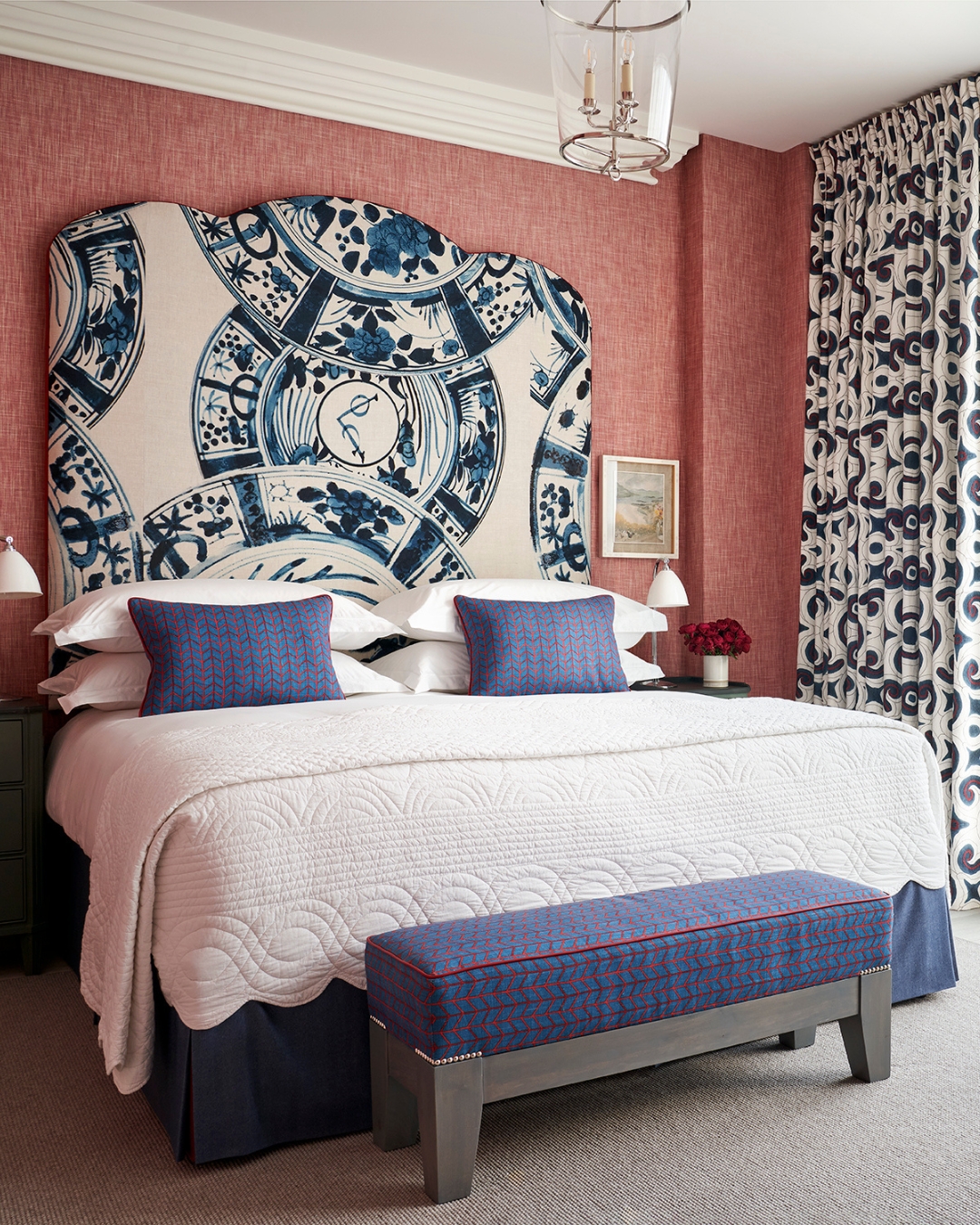
Kemp manages to achieve a British, lived-in look in her hotels through a captivating mix of art, antiques, eye-catching furniture and playful details. Room talking points can include a mannequin, which acts like a sculpture, or an oversized hand-embroidered headboard. “There always has to be something handmade in the room that has character,” she adds.

Warren Street Hotel, designed by Kit Kemp Studio
Ham Yard Hotel, designed by Kit Kemp Studio

Bold colour is also a key driver in the work of award-winning Nicola Harding, the creative brains behind the interiors for Chelsea’s Beaverbrook Town House. “Colour is something we enjoy in Britain which may be to do with the fact that we have quite a lot of grey days. So there is a real appetite for creating colour inside,” she explains.

Harding notes that for her, British luxury cues are far removed from the gleaming and new. “It’s the thoughtfulness and the attention to detail,” she says. “At Beaverbrook Town House, we created booths in the bar that are reminiscent of the Orient Express, which was one of the railway experiences that Lord Beaverbrook, a keen traveller, enjoyed.”

With an increasing focus on sustainability, vintage furniture is once again a strong part of contemporary British interior design. “There are antiques and found items throughout Beaverbrook Town House,” adds Harding. “Every room has an antique bureau and an antique chair. Antiques add soulfulness and a sense of history.”

Corinthia London, designed by GA Group

While British interiors may often have been characterised by traditional patterns such as chintzy florals, Jessica Morrison, senior associate at GA Group (a firm that designed the interiors of luxury hotel Corinthia London) insists contemporary looks carry just as much DNA. “While we may not have gone for ornate or maximalist designs, there’s an eclectic British feel that we lean into and that’s probably best done in some of the accessories or quirky pieces of artwork we have added,” she says.

Also at the heart of British interior design is a deep appreciation of the building’s architecture, something that interior designer Bryan O’Sullivan – who has designed several spaces in London’s iconic Claridge’s hotel, including the reimagining of two penthouse suites – knows only too well.

“I am very aware that Claridge’s is steeped in history and we really wanted to respect the existing design,” he says. In this case, it involved reinstating classic art deco details such as curved arches and marble bathrooms. “There were few original features left in these penthouses, but we really wanted to make it feel like what we added had always been there. It is important particularly for an international audience – they want to feel the history behind the design.”

Like David Collins Studio, O’Sullivan sees artisan collaborations as a key part of his design process. “Picking the right artists to work with, whether it’s for a mural, piece of art or a sculpture, really helps elevate a space and bring it alive.”

But perhaps most importantly, this sophisticated fusion seeks to tell a story, one that is personal, humorous, subtly rebellious and unmistakably British.

This is an extract from the Walpole Book of British Luxury 2025/2026
Read the issue in full here

Enquire about Joining

Forename*
Surname
job title
email*
Brand*
TURNOVER
message*
Thank you. This form has been submitted

Membership Fees

Membership Tier
01
02
03
04
05
Brand Turnover
£5-10m
£10-20m
£20-40m
£40-100m
£100m+
Membership Fee
£7,000
£10,000
£15,000
£22,500
£36,000

Membership Guide

Please provide your details to download this document

Forename*
Surname
email*
SUBMIT
Thank you. This form has been submitted
Oops! Something went wrong while submitting the form.
Get the latest luxury talking points, sector news and industry insights in your inbox each day by signing up to our newsletter, the Daily Luxury Digest.

Daily Luxury Digest

Sent every working day, the Daily Luxury Digest is your essential news source for the latest developments in the luxury sector both in the UK and around the world.

Thank you! You have been subscribed to the Daily Digest