Safeguarding the environment and natural resources is vital to all industries, but resonates particularly with luxury brands given their long-term strategies. The quality raw materials required to manufacture high-end goods and the heirloom quality of luxury pieces, which are designed to last, and are often passed from one generation to the next. In addition, luxury brands and their suppliers frequently have innate links to the environment and their local communities.
Walpole is calling on the government to
01
Recognise the role that high environmental, social and governance standards play in shaping consumer decisions and therefore supporting UK exports.
02
Ensure that Forest Risk Commodities regulations are produced in consultation with business.
03
Ensure that UK sustainability regulations are drafted with reference to – and understanding of – the impact of EU standards on UK businesses, in order to ensure that UK and EU regulatory regimes are not in conflict, which would cause significant extra costs to business.
04
Government must work in partnership with business when designing Extended Producer Responsibility (EPR) schemes to allow our sector to continue to lead the way in sustainability and waste reduction. Doing so will recognise companies that have already put sustainability at the heart of their business practices by designing products with quality, longevity, recyclability and environmental impact in mind.
05
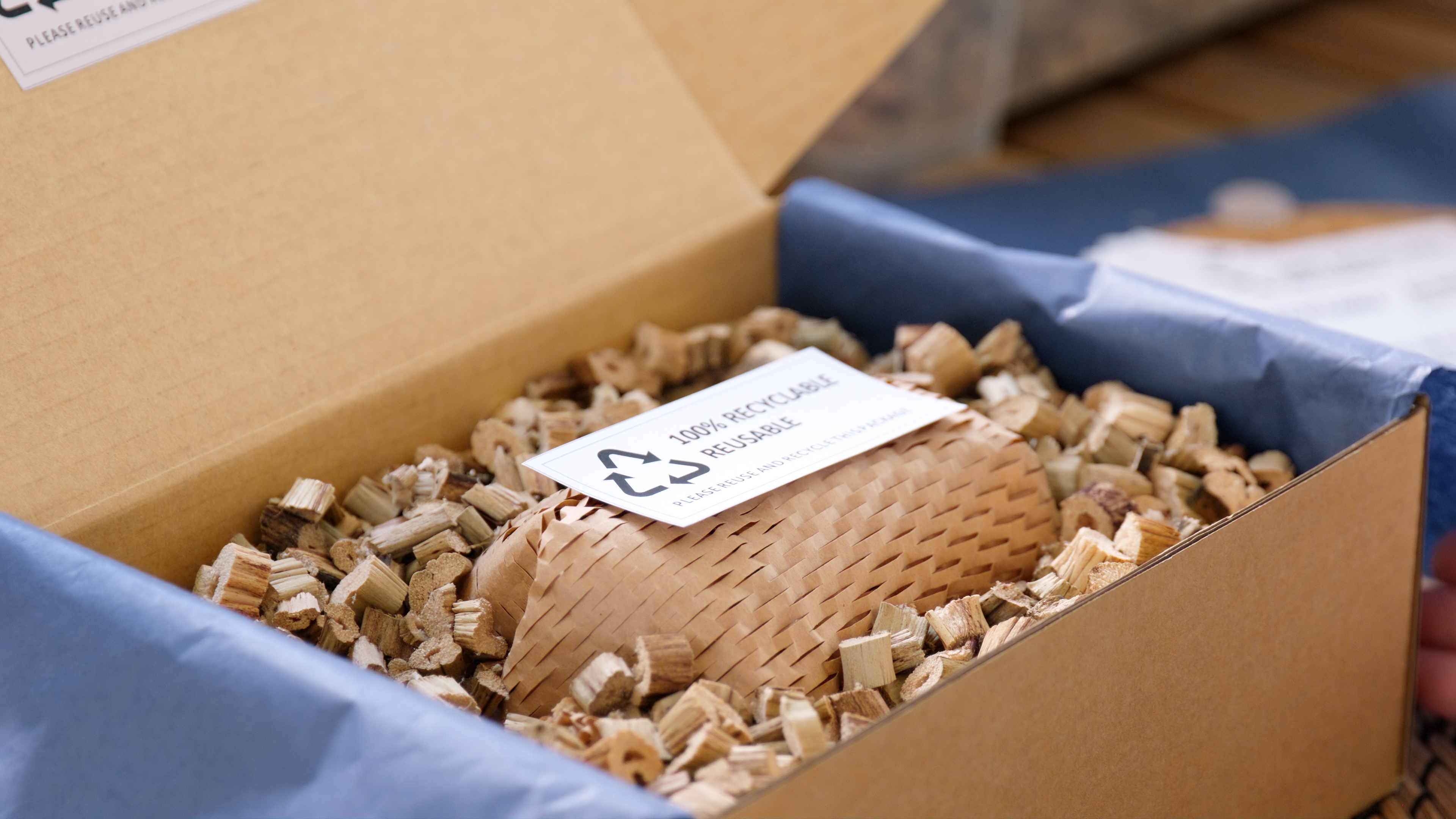
Initiatives such as using recyclable or biodegradable materials, minimising packaging waste, and providing services for repairs and refurbishments all help promote a circular economy. This is not only best practice, but also resonates with consumers who increasingly prioritise responsible production and consumption. Government must ensure that its plans in this area are made in consultation with businesses that have experience of such schemes.
British Luxury Sustainability Manifesto
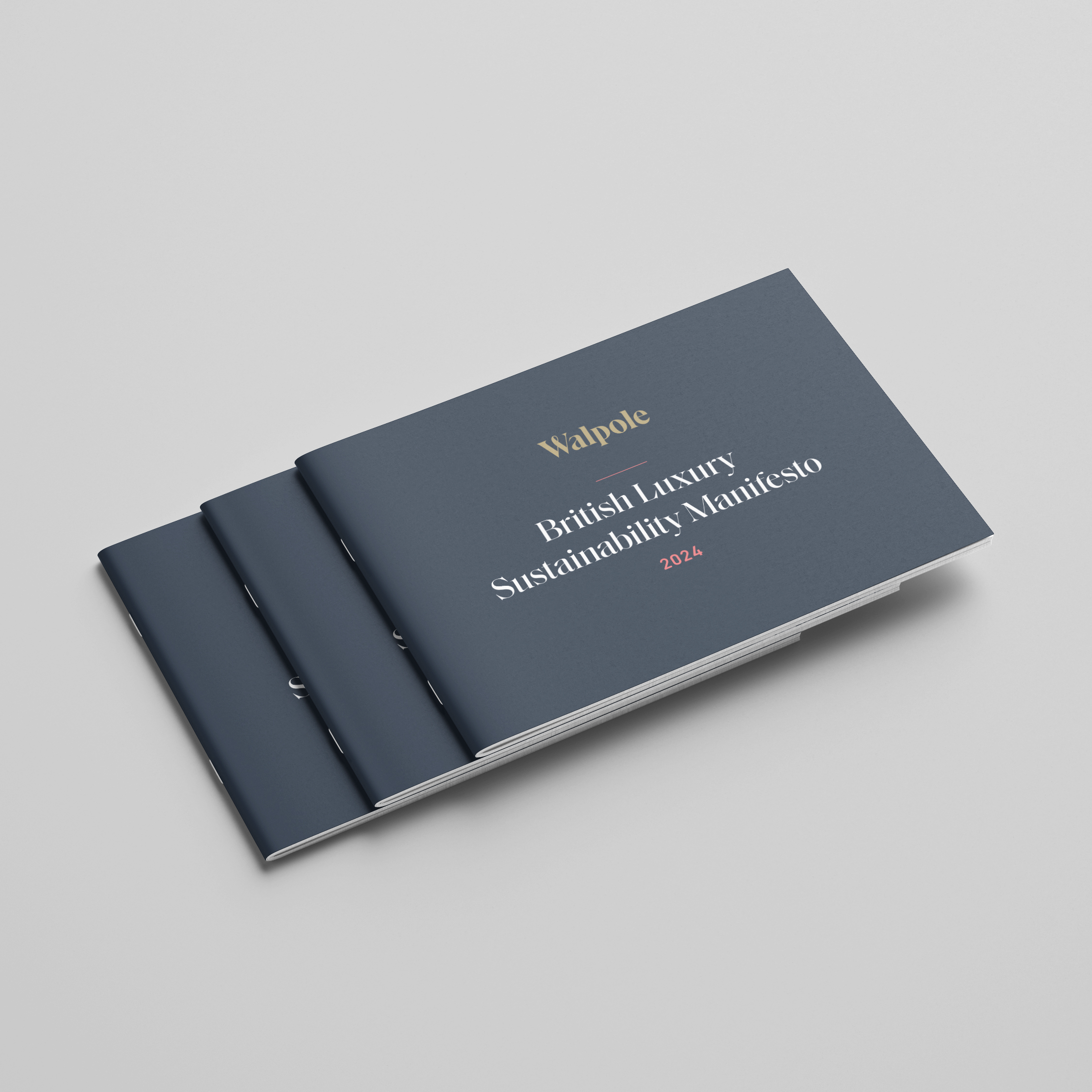
Walpole has launched the British Luxury Sustainability Manifesto, a commitment to helping the luxury sector become the global leader in sustainability. Eight sector Sustainability Working Groups regularly collaborate on four key pillars:
The transition to a circular economy
Safeguarding natural resources and the environment
Increasing sustainable practices
Advocating for equal and respectful working conditions
Since launch, over 150 Walpole members have joined our Sustainability Working Groups in support of the manifesto, all of whom share an ambition to make the UK’s luxury sector the most sustainable in the world. The manifesto was produced in association with McKinsey & Company.
All Walpole brands are invited to become signatories of the Sustainability Manifesto or join our Sustainability Working Groups, with three simple criteria to be involved:
Endorsement from senior leaders to prioritise sustainability at the highest levels in their businesses
Identify a person in charge of sustainability within the business
Promote proactive and transparent communications around sustainability, both internally and externally
Please provide your details to download this document
Thank you. This form has been submitted
Oops! Something went wrong while submitting the form.
Get the latest luxury talking points, sector news and industry insights in your inbox each day by signing up to our newsletter, the Daily Luxury Digest.
Daily Luxury Digest
Sent every working day, the Daily Luxury Digest is your essential news source for the latest developments in the luxury sector both in the UK and around the world.
Thank you! You have been subscribed to the Daily Digest