Britain’s venerated luxury hotels and department stores are rightly viewed as the gilded ocean liners of the culinary world. Which is to say: they are vast. And they are impressive. And yet, they are also, perhaps, not especially noted for their agile dynamism of movement when the situation demands it. But take a tour of some of the UK’s grandest, oldest institutions in this, the dawn of the era that no one is yet quite comfortable referring to as the Carolean age, and you can sense the contours of a very different narrative.
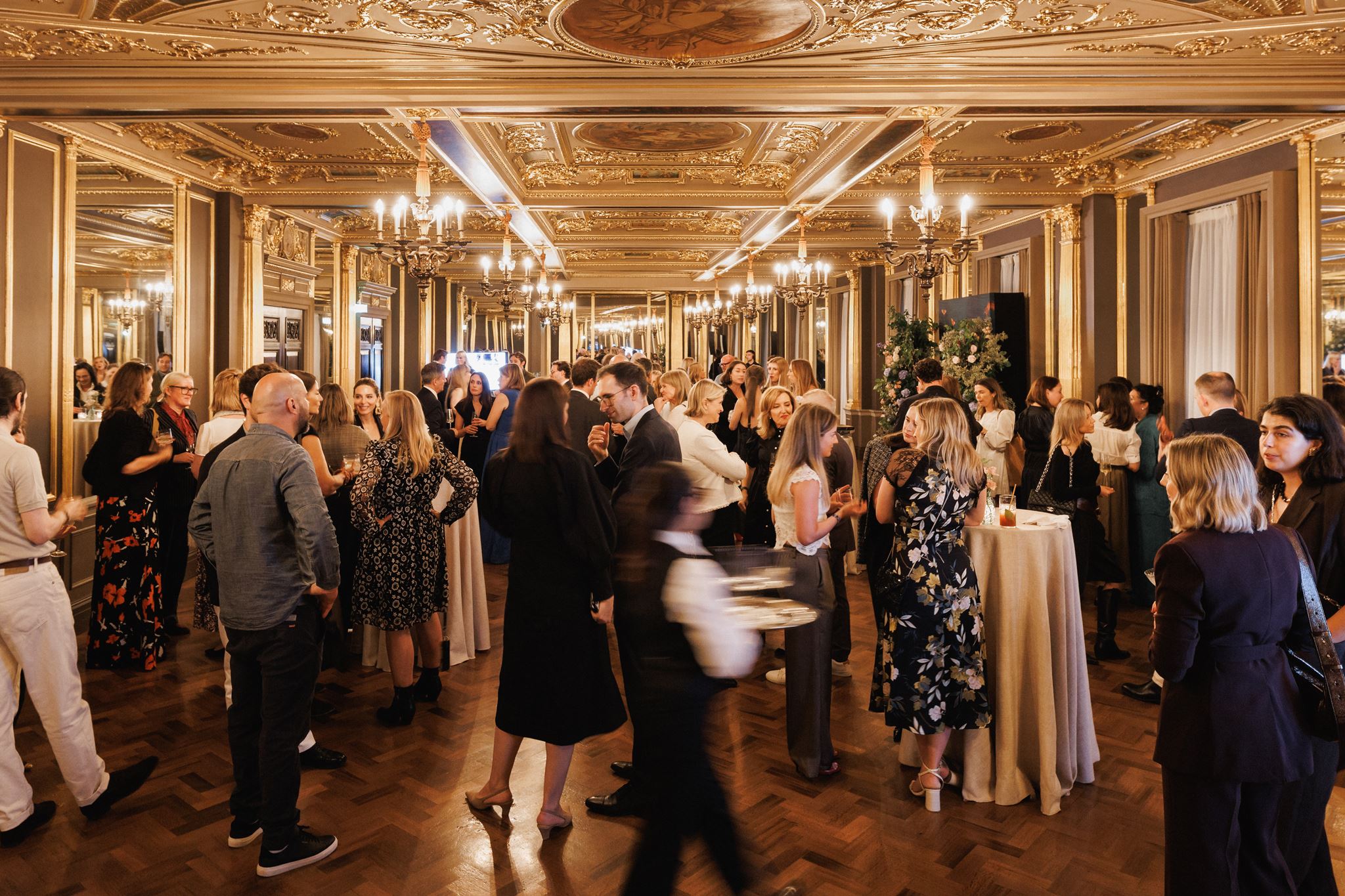
Here, in Edinburgh, is Gleneagles Townhouse: a reimagined, urban spin off of the almost 100-year-old country estate where the dining room is a lively hail of shaken cocktails, plinking, Prohibition-era piano music, and the approaching rattle of a dessert trolley heaped with ersatz Ferrero Rocher. Here, at Claridge’s, is the all-new ArtSpace Café's sleek, white bunker of verdant matcha lattes, crêpes piled with high-grade prawn cocktail and intricate, zeitgeist-tapping patisserie. And here, just around the corner, is FIELD by Fortnum’s: the storied luxury retailer’s freshly installed, pointedly climate-conscious restaurant and home to oven-warm, regeneratively farmed baguettes, north London-made 'nduja, and a savoury spin on afternoon tea that includes – and we must pause here, so that Mayfair’s imagined arch-traditionalists have time to splutter out their brandies in disbelief – a wild mushroom éclair.
What do these examples of progressiveness, play and brand agility tell us about the general state of things in the sphere of luxury food and drink? Well, even if we acknowledge that they are a selectively chosen, relatively small sample size, they clearly speak to a broader tendency or mood. And that mood, if we had to pinpoint it, would be characterised by head-on engagement with the challenges of a changing world, unabashed pride in distinctly British traditions, a streak of comforting indulgence and, most importantly, that symbiosis between environment and output that we might call terroir. Or, rather, some of the things that other purveyors of luxury – especially in the world of fashion – have put at the forefront of their businesses for years. It can be sensed in the sea buckthorn canelés (foraged from the surrounding undergrowth) that conclude a meal at the woodsmoke-scented, Michelin-starred The Black Swan in Oldstead, and tasted in a Lakes Distillery single malt whisky that carries the evocative woodland warmth of Cartmel in autumn.
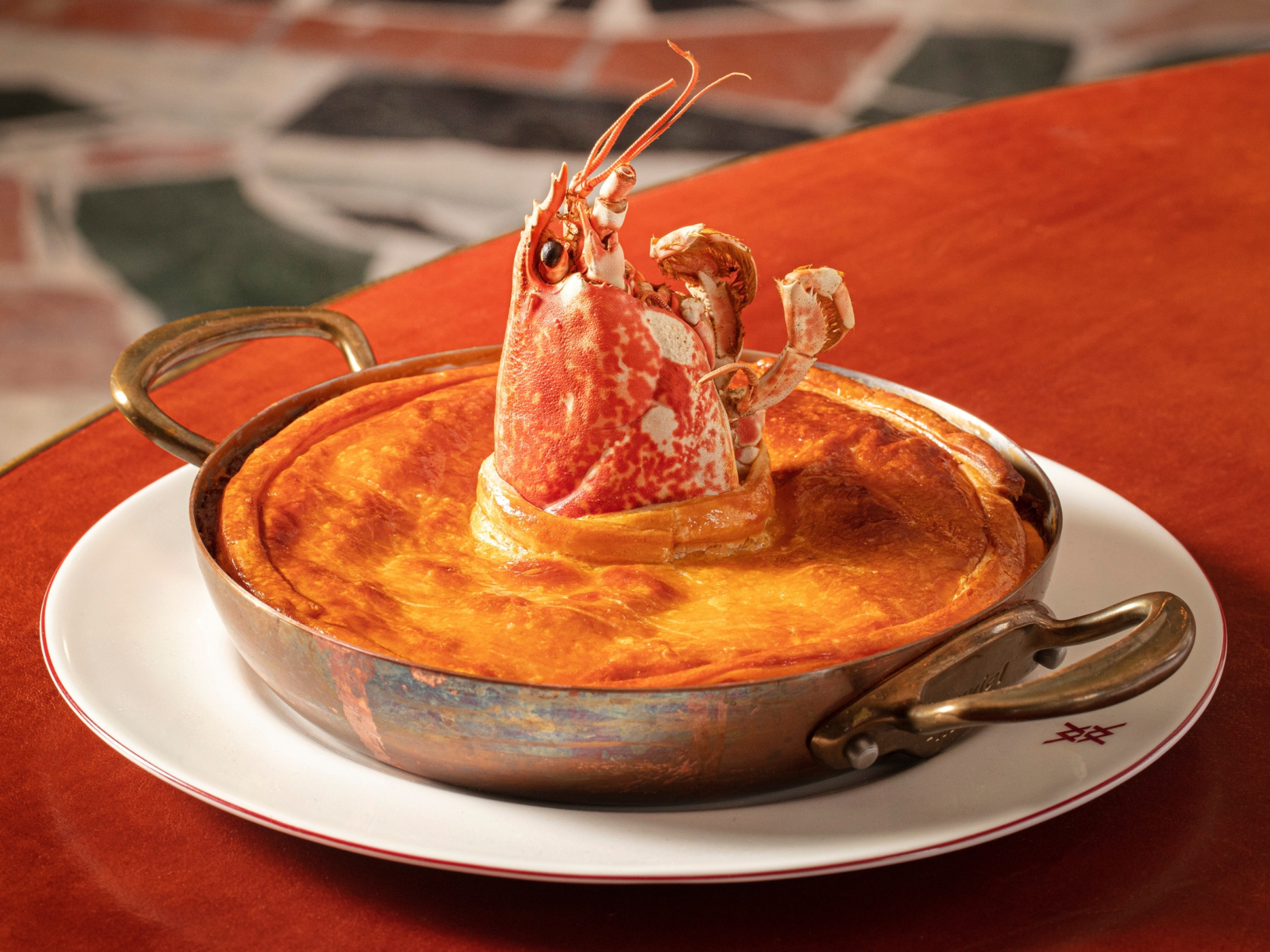
So what has brought on this ranging, cultural gear shift? As is often the case, the social convulsions of the pandemic can take at least a portion of the blame. Covid’s mortal threat to the hospitality industry may now be shrinking in the rearview, but the essential truths it crystallised have been harder to shake. Intricate, pleasure-forward craftsmanship – of the masterful, trompe l’oeil kind practised at TikTok-slaying French pastry chef Cédric Grolet’s spot at The Berkeley – bespeaks a collective desire not to take life, or food, too seriously. Similarly, it could be argued that those longueurs where international travel was forbidden brought a yearning for long-haul escape and, alongside that, time and space to reappraise our native food culture. Mount St Restaurant in Mayfair, with its mock turtle croquettes and forbiddingly rich, King Charles-approved lobster pie, gleefully blows the cobwebs off chapters of the British culinary repertoire long consigned to the dustbin of history. The same goes for Kerridge’s Fish & Chips at Harrods – a joyful launching of our most humble, cartoonishly ubiquitous dish into giddy new stratospheres of precision and indulgence.
This is not to say that this new gastroverse of chefs and producers – which hurtles from Exmoor Caviar’s Devonian fish egg farms and Simpsons’ Wine Estate’s award-winning Kentish Chardonnays to two-Michelin-starred Ikoyi’s West African-influenced boldness – does not also reflect the enlivening, multiculturalism and plurality that makes modern Britain what it is. However, it feels as though, again, it is a confident sense of place, and of socially principled but wholly unabashed enjoyment, that is going to continue to define how we eat and drink the finer things in the coming decades. Britain’s luxury food and drink scene strains for ever greater heights. But it is also foraging in the undergrowth, feet firmly planted on the ground, and inviting you to experience something unforgettable.
> This is an extract from the Walpole Book of British Luxury 2023/2024. Read the digital edition here