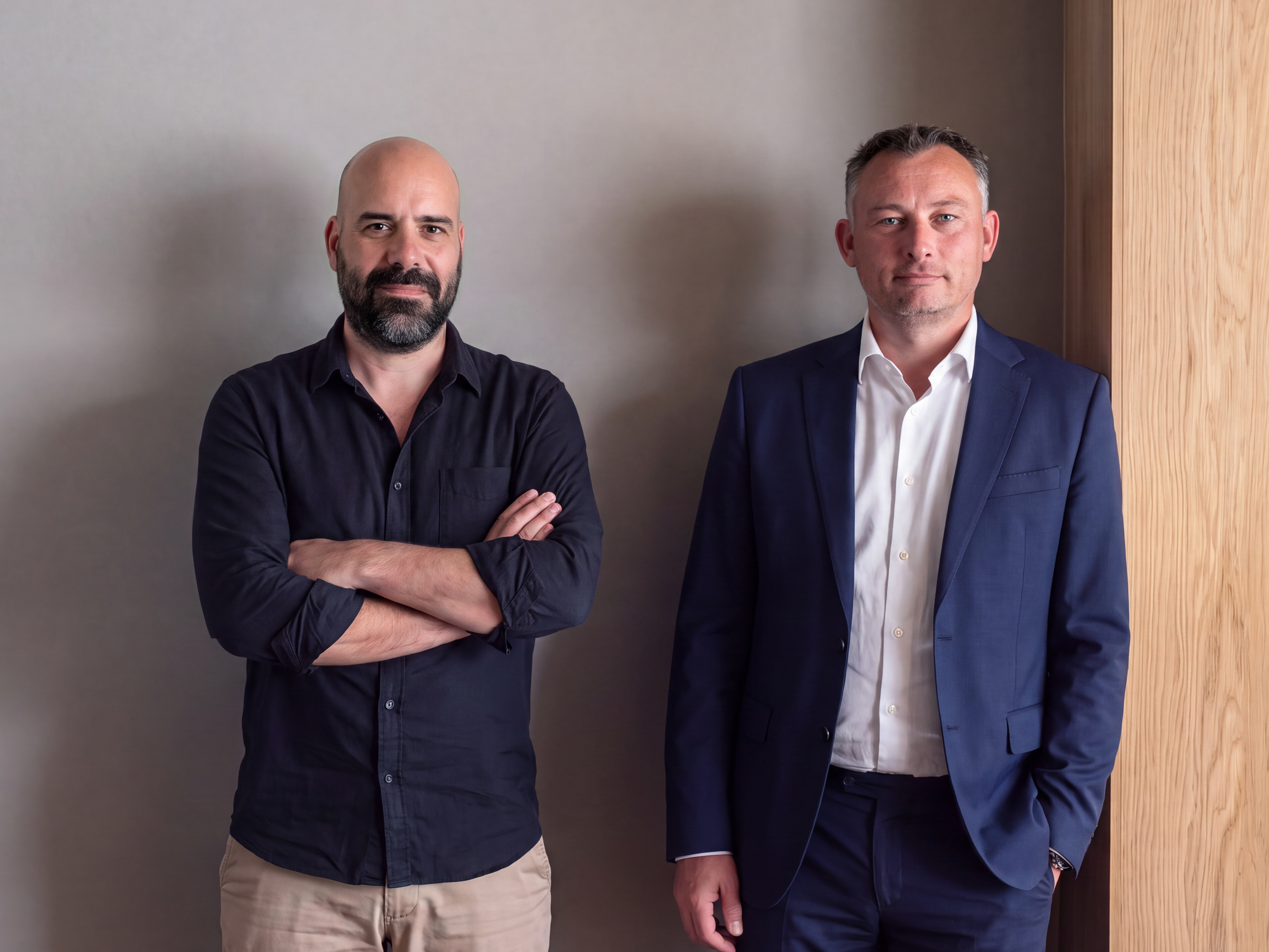
Walpole: AI is becoming increasingly important as a search engine for customers. Why should luxury brands care about this?
Michael Kramer: Search is changing fundamentally. People are no longer just typing keywords into Google, they're asking ChatGPT, Perplexity and other AI platforms for recommendations and expecting a trusted answer.
For luxury brands, that's a much bigger shift than it is for mass-market businesses because luxury communicates very differently. A mass-market brand tends to be explicit about what it's selling and why. Luxury brands are often far more understated. Their values are communicated through beautifully composed imagery, exceptional typography, carefully chosen language and subtle storytelling that invites people to interpret meaning and appreciate the wider context.
The challenge is that AI doesn't experience a brand in the same way a person does. It doesn't appreciate the craftsmanship behind a visual identity, the elegance of a typographic system or the emotional impact of beautifully art-directed photography. Left on its own, it can miss much of the nuance that makes a luxury brand valuable.
That's why luxury brands need to become much more deliberate about communicating those qualities in ways AI can understand, without losing the subtlety that makes the brand distinctive.
Guy Murray: Exactly. AI has effectively become another audience that brands need to communicate with. It builds its understanding from your website, reviews, editorial coverage, structured data and hundreds of other signals across the web. If those signals aren't clear and consistent, your brand risks being overlooked, or worse, misunderstood. The brands that succeed won't necessarily be the ones shouting the loudest; they'll be the ones helping AI understand the quality, authority and story that already sit behind their brand.
Why does AI’s ‘opinion' of your digital presence matter?
Guy Murray: People increasingly trust AI to make recommendations. Whether they're looking for a hotel, a members club or a luxury gift, they'll often accept AI's suggestions without visiting dozens of websites. That means AI's understanding of your brand becomes incredibly important.
Michael Kramer: Luxury brands have spent decades, sometimes centuries, carefully building their reputation. The last thing you want is AI filling in the gaps or making assumptions because it couldn't find the right information.
In many ways, AI has become another customer, one that needs to understand your brand just as clearly as any human does. If you're not communicating directly with AI, it's likely forming its opinion from third-party sources instead.
Walpole: What are the potential risks of AI-discovery for luxury brands?
Michael Kramer: The obvious risk is invisibility. If AI can't confidently understand your brand, it simply won't recommend you. But there's another risk that's arguably more damaging: being compared with the wrong competitors or having your proposition misrepresented. Luxury brands work incredibly hard to justify their value. If AI strips away the context, all it sees is something that's more expensive than the alternatives.
Guy Murray: AI is constantly building confidence in the information it presents. If your messaging is inconsistent or incomplete, it will fill in the gaps using whatever information it can find elsewhere online. That's why it's so important that brands actively shape how AI understands them, rather than leaving it to interpretation.
What are the opportunities?
Guy Murray: The opportunity is that AI becomes a powerful recommendation engine for your brand. Rather than simply helping people find your website, AI actively introduces your business to people looking for exactly the type of experience, product or service you offer. That means more relevant enquiries and a better-qualified audience.
Michael Kramer: Traditional search waits for someone to find you. AI is much more proactive. If it understands your brand properly, it can recommend you as part of a conversation, whether someone is planning a trip, searching for the perfect gift or looking for an exceptional experience. It's almost like having a digital concierge introducing your brand to the right people.
Can you explain what your digital health check consists of?
Guy Murray: We analyse hundreds of signals that influence how AI systems understand a brand. That includes your website, structured data, technical implementation, digital PR, authority signals, reviews, brand consistency and the wider information available across the internet. We're essentially asking one question: How does AI currently see your brand?
Michael Kramer: We then produce a detailed report highlighting where your brand is performing well, where there are opportunities to improve and what practical steps can be taken. Every health check is followed by a one-to-one consultation so we can explain the findings in plain English and discuss what they mean specifically for your business.
What are some of the elements of a brand that you analyse for their AI appeal?
Guy Murray: We focus on three key areas. The first is the technical foundations: things like website structure, structured data and how clearly information is presented to AI systems. The second is authority and trust: AI looks beyond your website, considering editorial coverage, reviews, directories and other trusted sources to build confidence in your brand. The third is messaging: we assess whether AI can clearly understand what makes your business distinctive, who it's for and why it deserves to be recommended over competitors. Luxury brands rely on nuance, and it's our job to ensure those nuances are as clear to AI as they are to your customers.
How can you help a brand adapt without compromising on those core luxury values of craftsmanship, heritage, and brand integrity?
Michael Kramer: That's where Nous is different. Most agencies specialise in one side of the equation, they're either experts in branding or they're experts in technical search and optimisation. We bridge those two worlds. For more than twenty years we've helped luxury brands define their positioning, tell compelling stories and create exceptional digital experiences. At the same time, we've built deep expertise in search, websites and now AI. That means we can ensure a brand's digital presence performs technically without ever losing sight of what makes it valuable in the first place.
Guy Murray: Most of the work we do is invisible to customers. We're not changing a brand's identity or asking it to compromise its heritage. We're strengthening the digital signals behind the scenes so AI understands the same craftsmanship, provenance and positioning that customers already experience.
Michael Kramer: AI shouldn't redefine a luxury brand, it should understand it. Our role is to make sure the technology reflects the brand accurately, preserving its integrity while ensuring it's discovered and recommended for the right reasons.