After a year in which global storms have been weathered, we can look outwardly with optimism. The UK–India Free Trade Agreement, now close to finalisation, will expand access for British craft, design, automotive, fine food and whisky to one of the world’s fastest-growing luxury markets. India’s luxury sector is forecast to reach £70bn by 2030, with the fastest-growing ultra-high-net-worth population globally. There is also scope to grow our £6.1bn exports to China’s resurgent luxury market, as its new five-year plan places new focus on cultural value, craftsmanship and quality consumption. Opportunities matched in rapidly expanding markets across the Gulf and Southeast Asia.
But to continue to deliver this level of economic and cultural value, we require policy that matches ambition. The sector has shown its value, its resilience, its global attraction, and its national importance. It is time for that to be reflected in the way Britain supports the industries that define its soft power, competitiveness and skilled employment base.
Levelling the playing field to ensure we can compete with our European neighbours. Investment in creative education and specialist craft training must be protected. Taxation systems that support heritage manufacturing, visitor destinations and cultural institutions and that account for the unique contributions these industries make. And international trade and mobility must support the exchange of skills, talent and cultural capital.
Luxury is not a ‘nice to have’, it’s not an indulgence: it’s an economic necessity. Luxury in the UK is an engine of prosperity: preserving heritage; driving innovation; supporting highly skilled, well-paid jobs nationwide; powering strong, sustainable economic growth.
Policy makers should also acknowledge that when our sector is allowed to play at the top of its game, when it’s able to compete on a level playing field with luxury businesses just across the channel, it not only succeeds commercially for itself but also lifts the reputation of the United Kingdom in boardrooms, ateliers, galleries, vineyards, workshops and cultural institutions across the world.
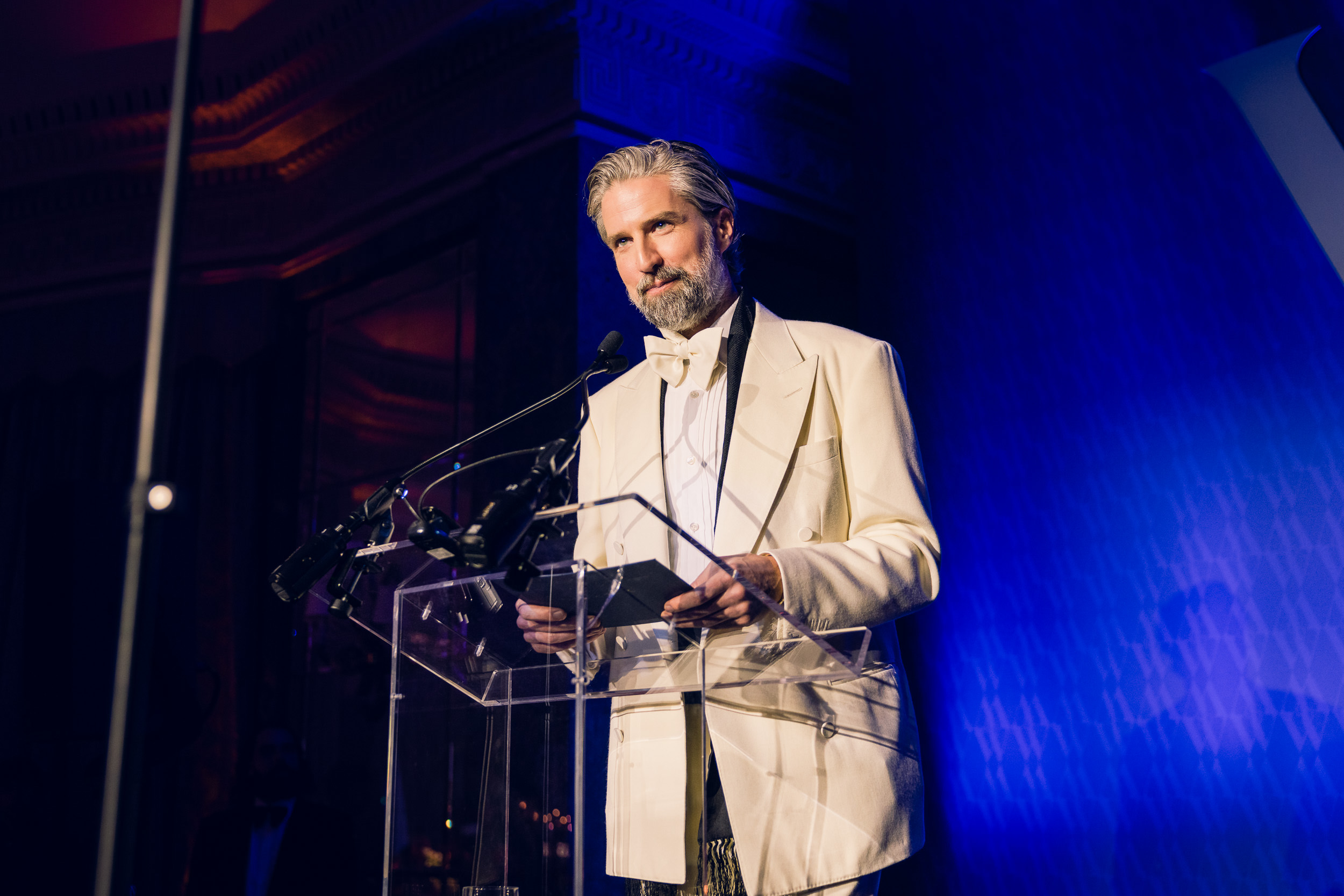
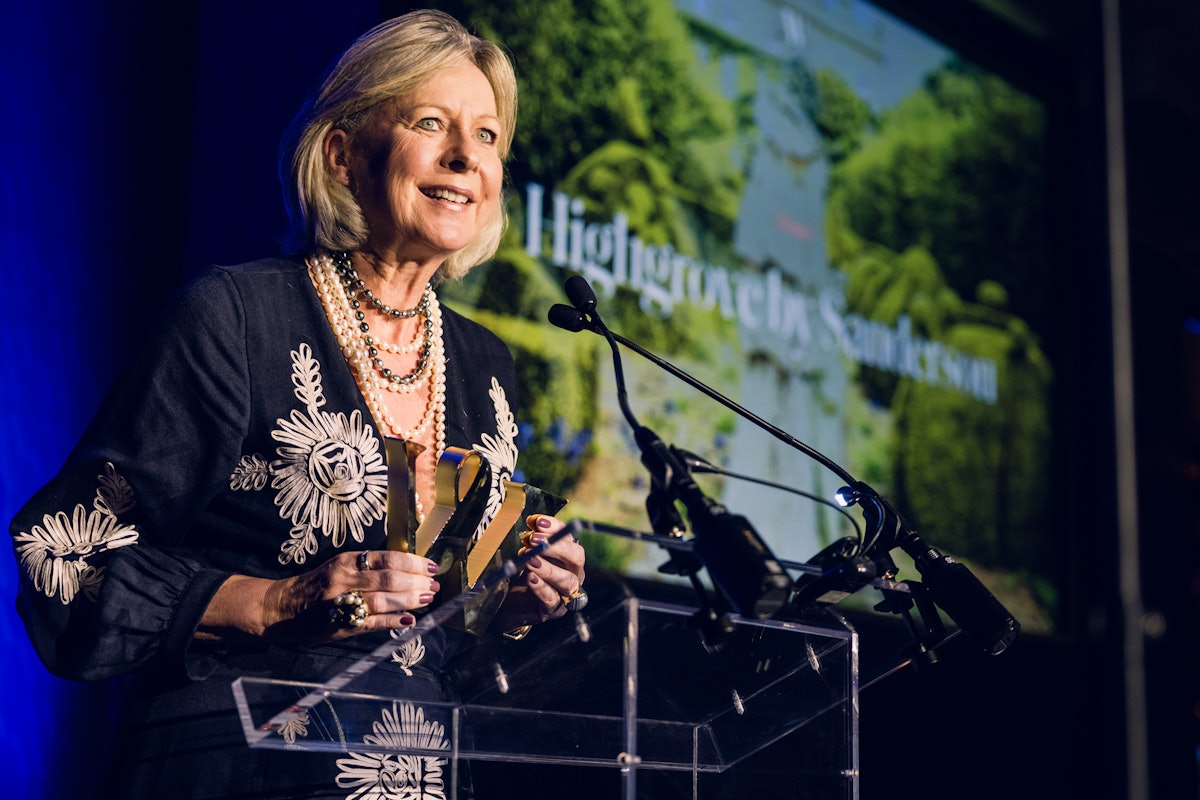
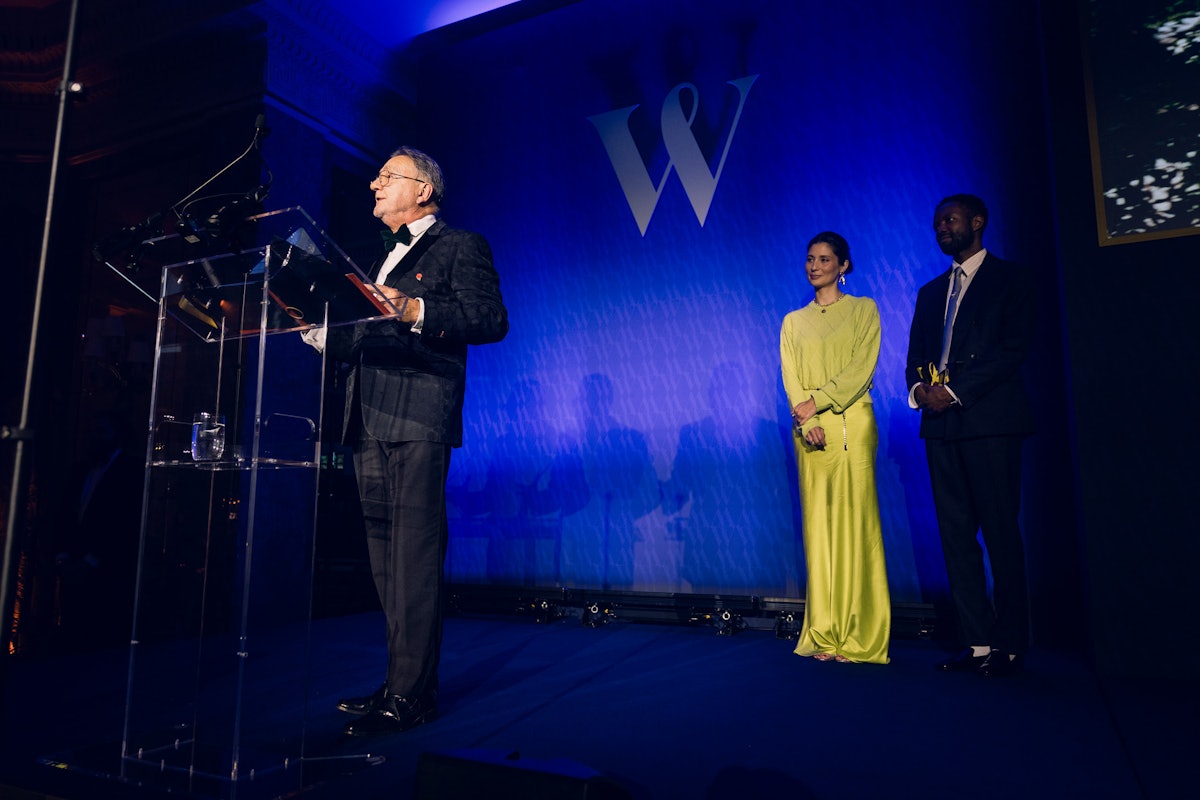
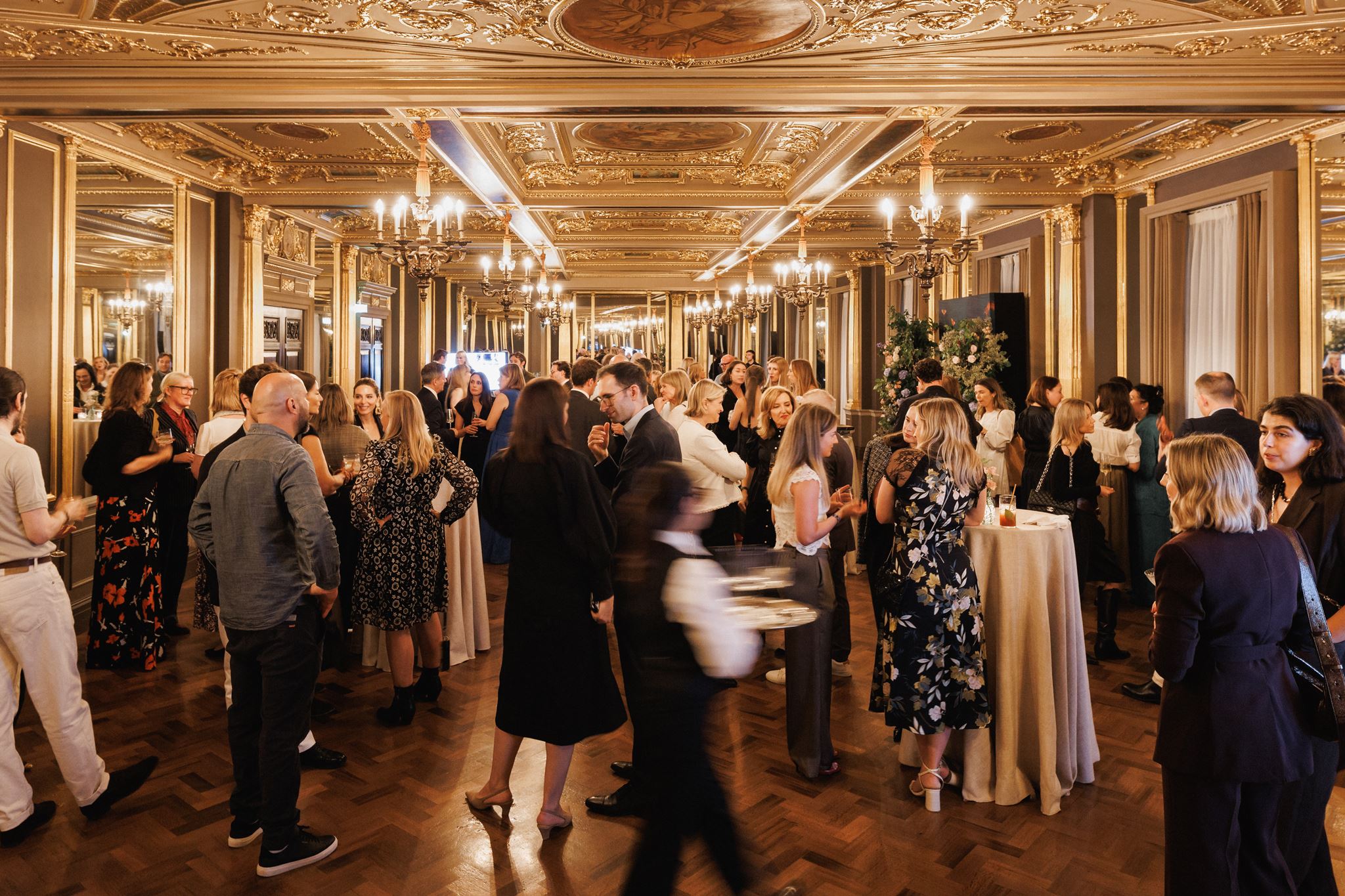
The brands and individuals we celebrated at our Awards have shown remarkable belief and commitment against a challenging backdrop. The task now is for policy to match that belief with support worthy of the contribution today and opportunities ahead.
Because British luxury is a national strength. And it is one of the UK’s greatest economic and cultural assets.
Photography by Philipp Ammon