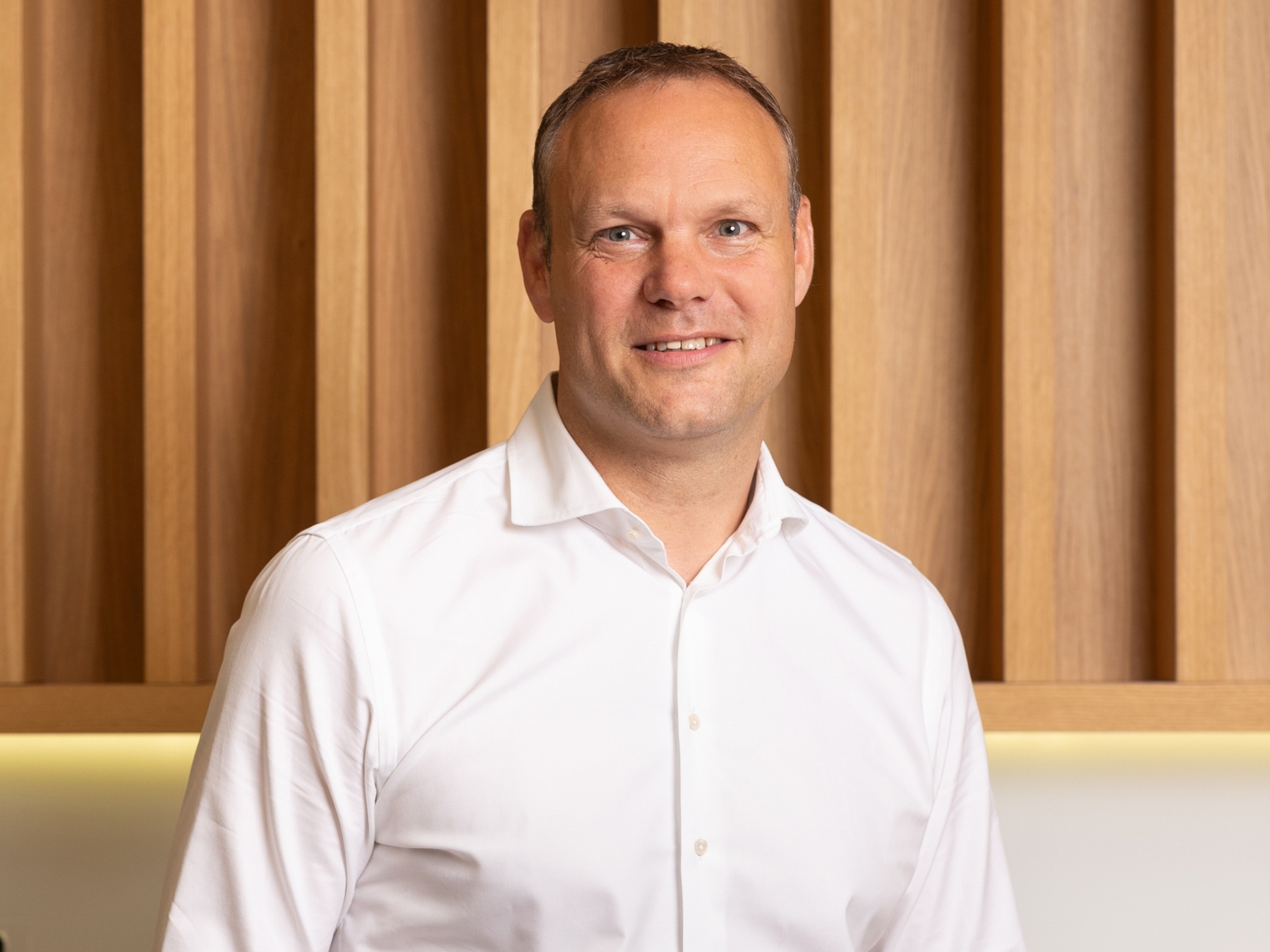
Walpole: As the Chair of Walpole's Luxury Leaders of Tomorrow initiative at London Business School, why is this an important programme?
Nick Temperley: It is so important for two reasons. First, those of us who work in British luxury have a responsibility to do whatever we can to encourage the best talent of the next generation to choose British luxury companies as the place to build their careers. Second, there are plenty of people who attend LBS who do not aspire to join the more traditional career paths of banking and consulting, and this programme gives them an opportunity to get real life experience in a thriving, creative, profitable industry.
What does the programme consist of?
The programme lasts for one academic year, starting with an application process during the first term of the MBA and finishing in the summer. The 18 or so successful applicants are paired with a mentor for the duration of the programme. Mentors are current Business leaders from Walpole companies and they have agreed to give up their time to support the students with advice, knowledge, introductions to their network and even work placements or projects. We are so thankful for their time and bringing to life the realities of their jobs at companies as diverse as Mulberry, Church’s, LVMH and Chapel Down. We also run six masterclasses per year where speakers talk to the students about their careers, their industry and the challenges and opportunities they are facing right now. It’s always followed by a pretty intense Q&A (off the record, of course).
Who have been some of the speakers you’ve really enjoyed hearing from as a part of the programme, and what made their stories so compelling?
All the speakers bring something different, and very personal to the evenings. For example, this year we heard from Michael Ward of Harrods; I am always in awe of that business and how they connect with their customers in such a personalised way. Often, the most interesting element for the students is hearing about the varied career paths of the speakers and how they ended up managing big luxury businesses. Sometimes it comes as a surprise for them to hear that their starting points were not always in luxury and they have come from so many different backgrounds: accountancy, marketing, entrepreneurship etc. The Q&As are often along the lines of “what advice would you give to people just starting their careers in luxury?” or “what are the skills required of employees in luxury businesses today given the increasing use of AI?”.
What have been some of your highlights with the students over the years?
In terms of experiences, the ones that stick in my mind are the personal tours around retail businesses such as Harrods, Fortnum & Mason and Church’s. We have had drinks at the top of The Ned and, of course, I should mention a fun evening at the Sipsmith Distillery in Chiswick throwing martinis.
The students that stick in my mind are the ones that had a laser sharp ambition of what they wanted to do with their careers and how they were determined to use the programme to support that ambition. I can remember students passionate about watchmaking, sneakers, skincare and hospitality, and I’m sure they will all be successful. We do try and track the careers of the students once they have graduated and today we can see that about 40% of the approximately 200 people that have been through the programme manage to get careers in the luxury industry. There are alumni at Burberry, Harrods, Estee Lauder, Penhaligon's, Diageo, Nike, LVMH and many more. Some have even founded their own luxury companies. Whatever their path, the programme gives them a valuable network for them for the rest of their lives.
Mentorship sits at the heart of the programme for these students. Why is this so important in our sector for emerging talent?
First, the mentorship gives the students a real-life experience into what it’s like to work in the luxury industry; they visit the retail outlets, factories, ateliers and offices of their mentor, and they get to see what each function does within that business. Second, this is an invaluable networking opportunity for the student; they have access to an influential luxury leader and will be able to shadow that person’s teams.
As a mentor yourself, what advice would you give to other mentors?
My advice would be to set clear expectations at the start of the relationship. Usually, I tell the mentees that we should meet every four to six weeks, but that I won’t be pro-active and it’s up to them to schedule the calls. I also encourage the mentee to be specific about what kind of support or advice they need: is it information about your industry, your function, or career or advice or network building? Teasing that out early pays dividends.
I’d also encourage mentors to allow the students to shadow people in their organisation. This has had really good feedback from the students as they get 'a day in the life' of a luxury role, and it’s often not what they had in mind.
If someone starting out in our sector is looking for a mentor, what advice would you give them?
They will find that business leaders are very busy, but also can be very generous with their time if the approach is right. A personal introduction from a mutual friend or colleague rather than a cold call is a must. Likewise, the mentee must know what they want to get out of the relationship: be specific. And don’t ask for too much; a coffee catch-up, maybe an hour at the mentor’s business. Keep it simple to start with and see where it goes.
The Luxury Leaders of Tomorrow programme is exclusive to first year full-time MBA at London Business School and students on other full-time Masters Programmes. If you would like to learn more about this programme, please contact our team