A decisive shift from ownership to experience
Across markets, younger affluent consumers – particularly Millennials and increasingly Gen Z – are more optimistic about their income and future earning potential than older cohorts. Crucially, this optimism is not fuelling greater attachment to traditional markers of success such as property ownership. Instead, it is pulling demand toward travel, wellness, dining, culture, and events.
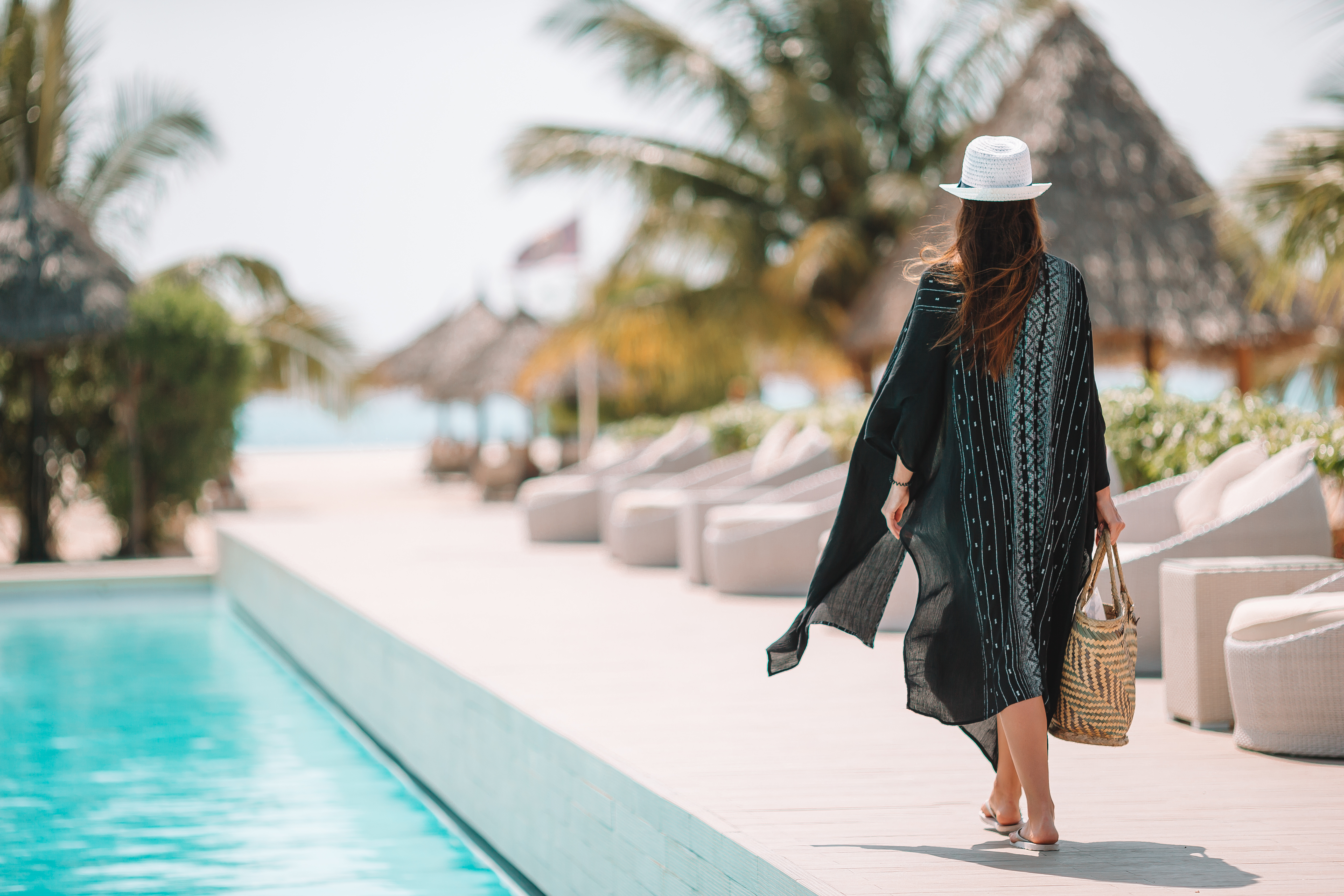
Luxury is being redefined as something lived rather than accumulated. International travel, in particular, remains highly resilient, with strong intent among affluent and high-net-worth (HNW) consumers in the USA, UK, Italy, and Japan. In 2026, experience-heavy, asset-light luxury is set to continue outperforming categories where value feels less tangible or less emotionally rewarding.
Confidence varies and brands must respond accordingly
Older affluent consumers remain economically vital, but their outlook differs sharply by geography. In the USA, Baby Boomers and Gen X continue to express confidence around wealth, property and travel, sustaining premium demand. Italy shows a similar pattern, with Gen X emerging as a key driver of optimism.
In contrast, older consumers in the UK and Germany are more reserved. Here, value clarity, reassurance and financial prudence carry greater weight than overt aspiration. The implication is clear: a one-size-fits-all luxury narrative will not work in 2026. Brands must adjust tone and proposition by market, balancing desire with credibility.
Women are at the centre of experiential growth
One of the most consistent signals in TrendLens is the growing role of women in driving experience-led luxury spend. In the USA, China and Italy, women are as positive and often more positive than men about travel, luxury experiences and discretionary lifestyle spending. Even in markets where men remain more optimistic overall, women represent a deeply engaged and influential audience.
This has practical implications. Experiences that prioritise comfort, safety, service quality, emotional reward, and a sense of connection are likely to resonate more strongly than those built purely around status or spectacle.
Two growth engines, not one luxury consumer
TrendLens also highlights an increasingly important distinction between affluent and HNW consumers. In China, Japan, Italy and the UK, HNW respondents are more optimistic than Affluents, particularly around wealth and big-ticket luxury. Germany shows a more category-driven split, while the US stands apart, with Affluents expressing greater optimism and readiness to spend than their HNW counterparts.
The implication for 2026 is that growth will come from two complementary engines: HNW consumers driving bespoke, relationship-led, high-touch luxury, and Affluents delivering scale through accessible premium experiences, travel and lifestyle offerings.
Where luxury will concentrate
Finally, travel optimism points to clear cross-border corridors where affluent spend will be most visible. US affluents and HNW consumers are likely to remain prominent in European capitals and key Asian gateways. Chinese HNW travellers are expected to flow increasingly through Hong Kong and major European cities, while UK and Italian affluents continue to prioritise Mediterranean and Gulf destinations.
Taken together, the outlook for 2026 is one of cautious confidence. Luxury’s next chapter will reward brands that understand not just who their customer is, but what they now value, where they are going, and why an experience genuinely feels worth choosing.