Walpole: What is your career background and how did that lead to launching your company?
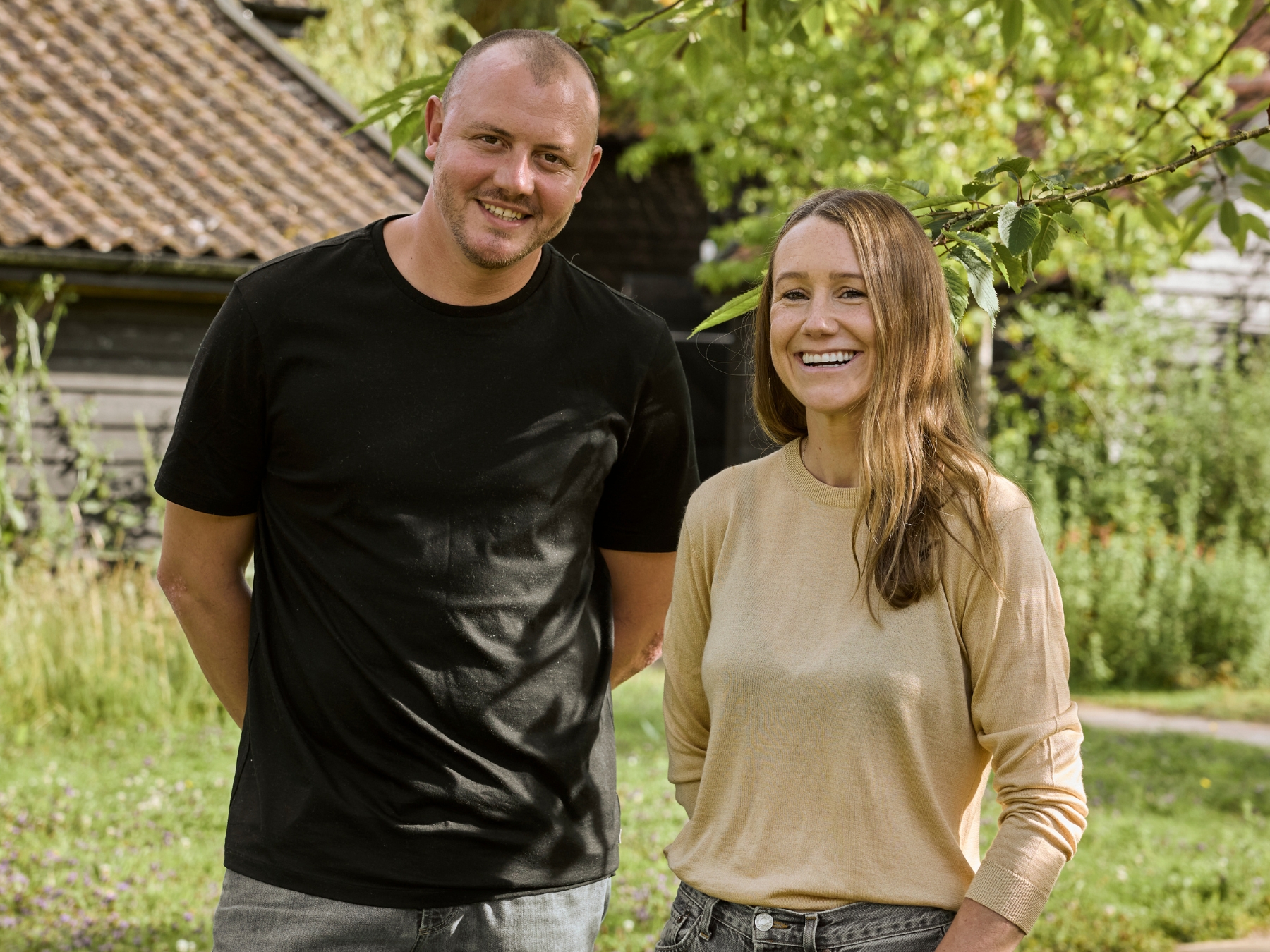
Gem Boner: We both came from worlds built around experience, taste and storytelling, just in slightly different ways. Thom [Scherdel] spent over 20 years in fashion and luxury retail, working with brands, designers and global customers at places like Selfridges, Topshop and Browns/Farfetch, where he was Head of Menswear. His career was very much about understanding product, culture, timing, curation and what makes people really connect with a brand.
My background is in hospitality, events, PR and marketing, including Soho House. So I’ve always been interested in how people feel in a space; how they are hosted, how a moment is shaped, and how the smallest details can make something feel special rather than simply functional.
Restaries really came from bringing those two worlds together. Fashion, hospitality, interiors, food, nature, events – all the things we had spent years working around – suddenly had a physical home at Paradise Farm. We didn’t set out to build a traditional hotel. We wanted to create a new kind of countryside stay: design-led, deeply personal, a little bit wild, and full of feeling.
What does your company do and what sets you apart?
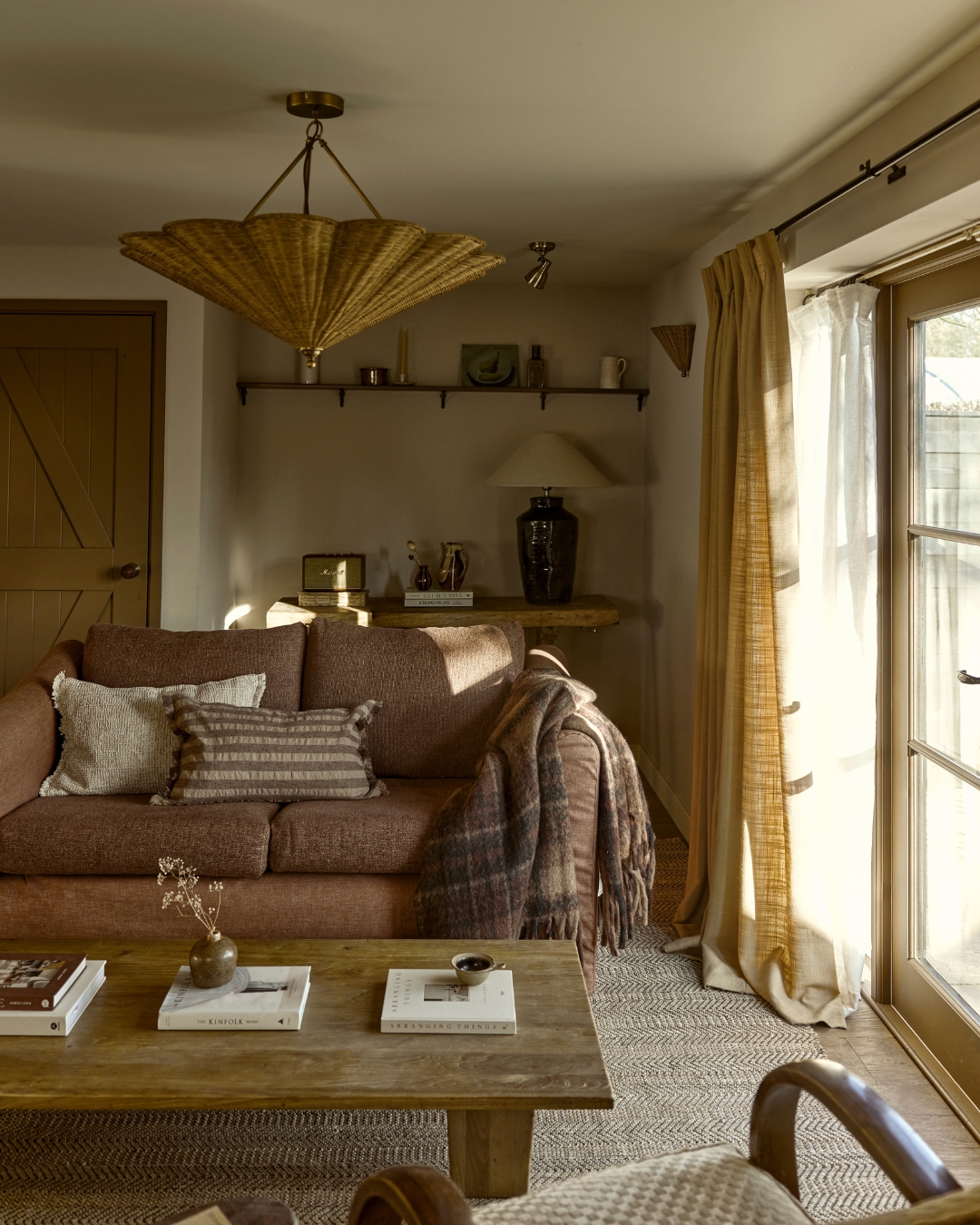
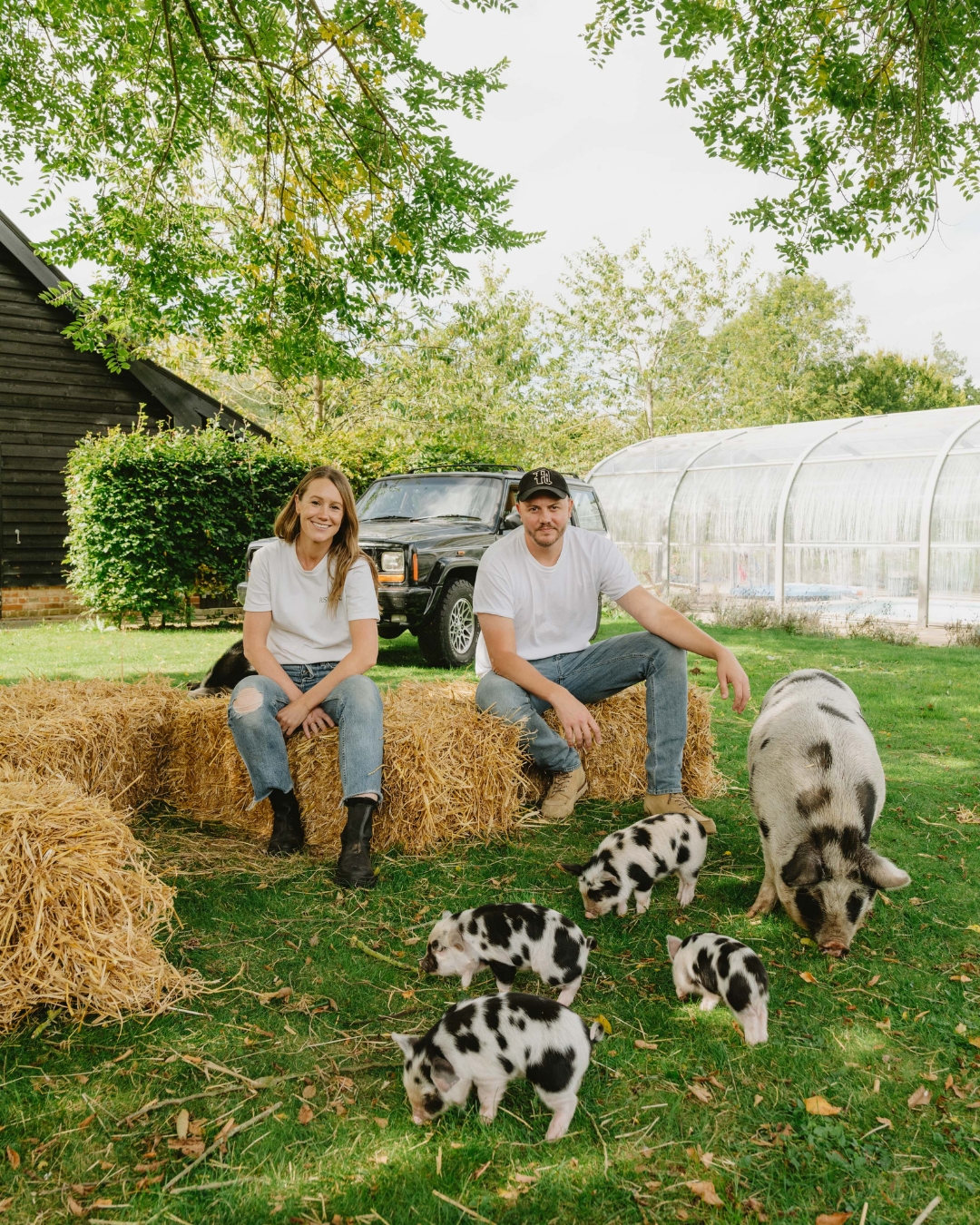
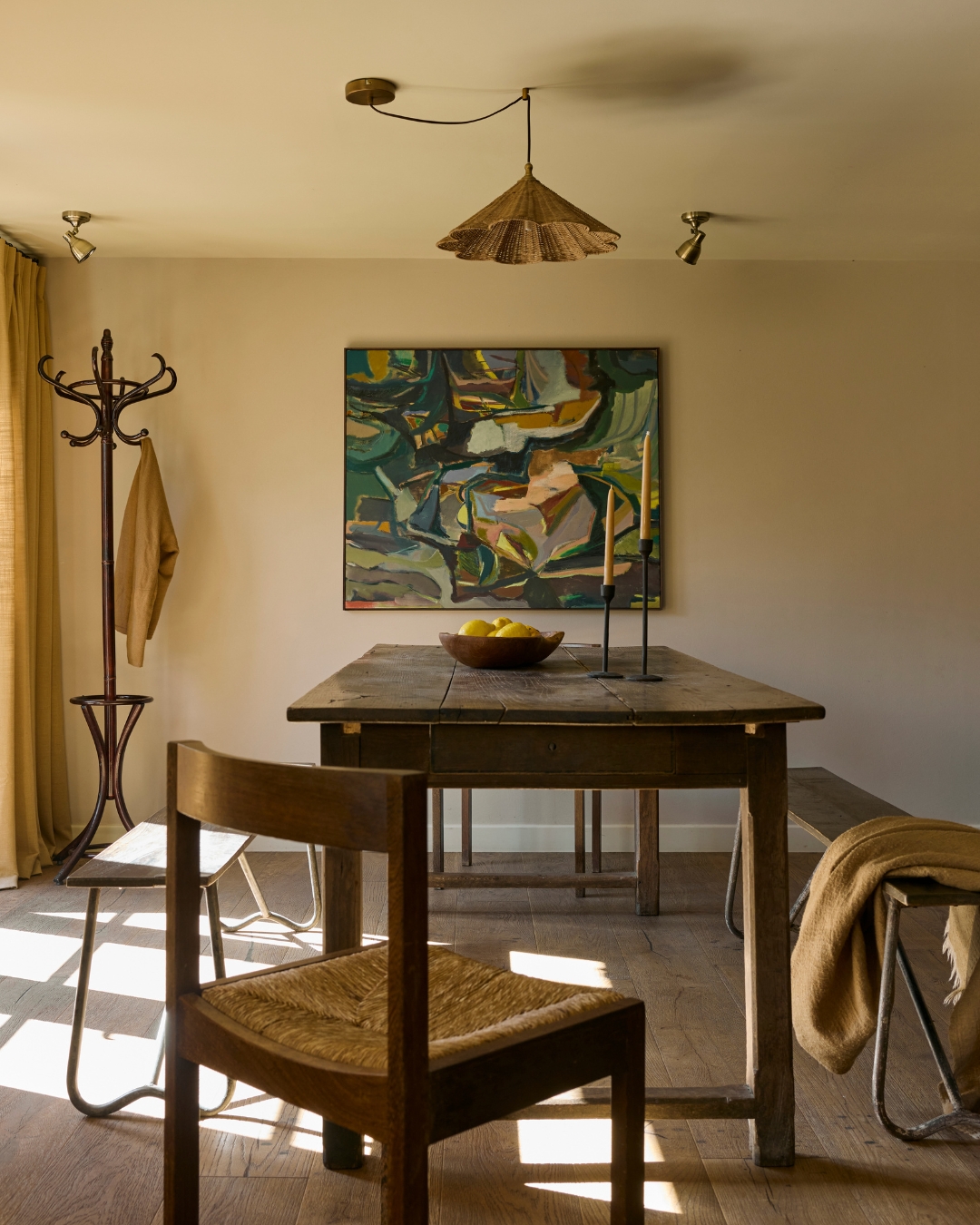
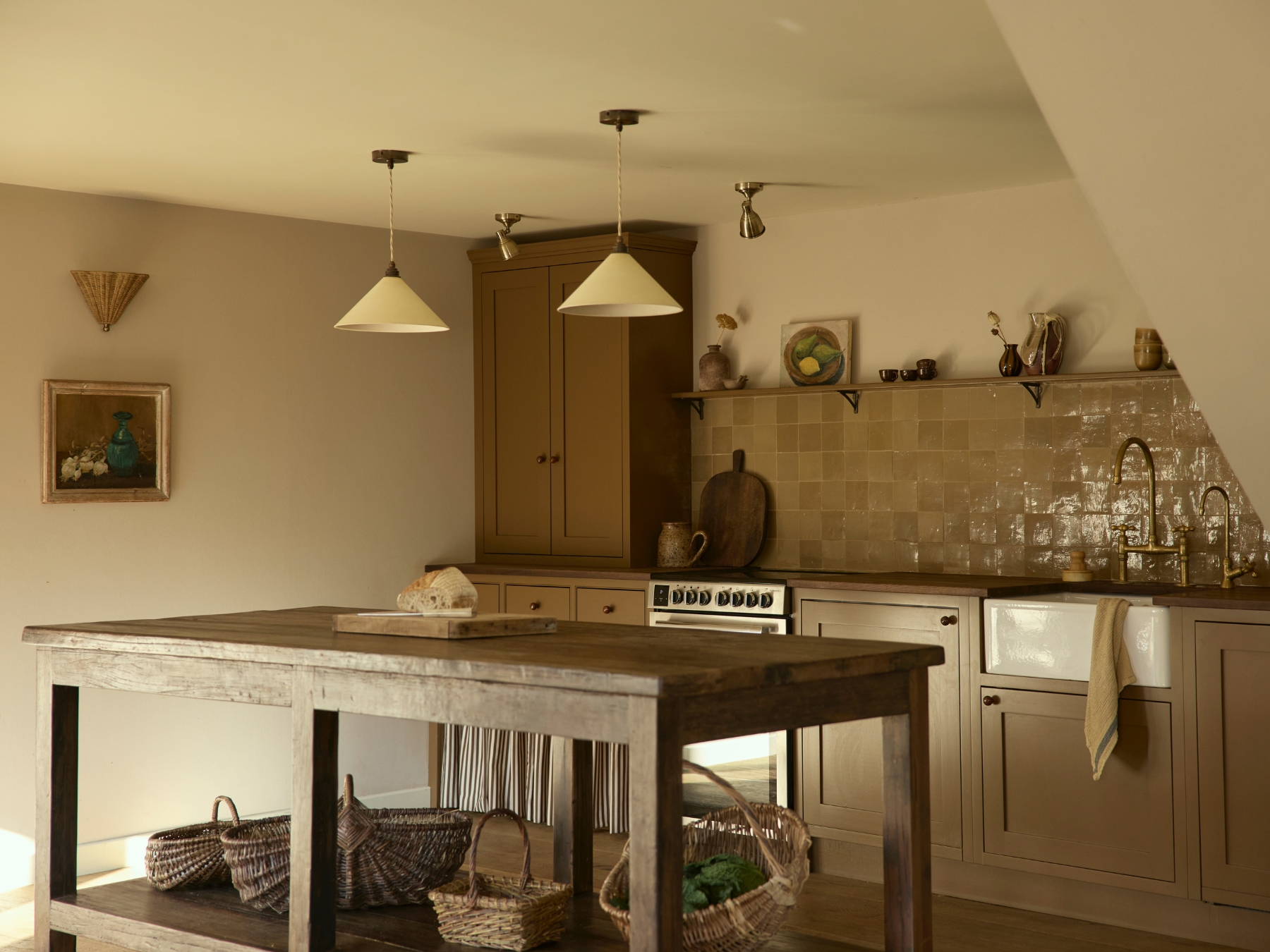
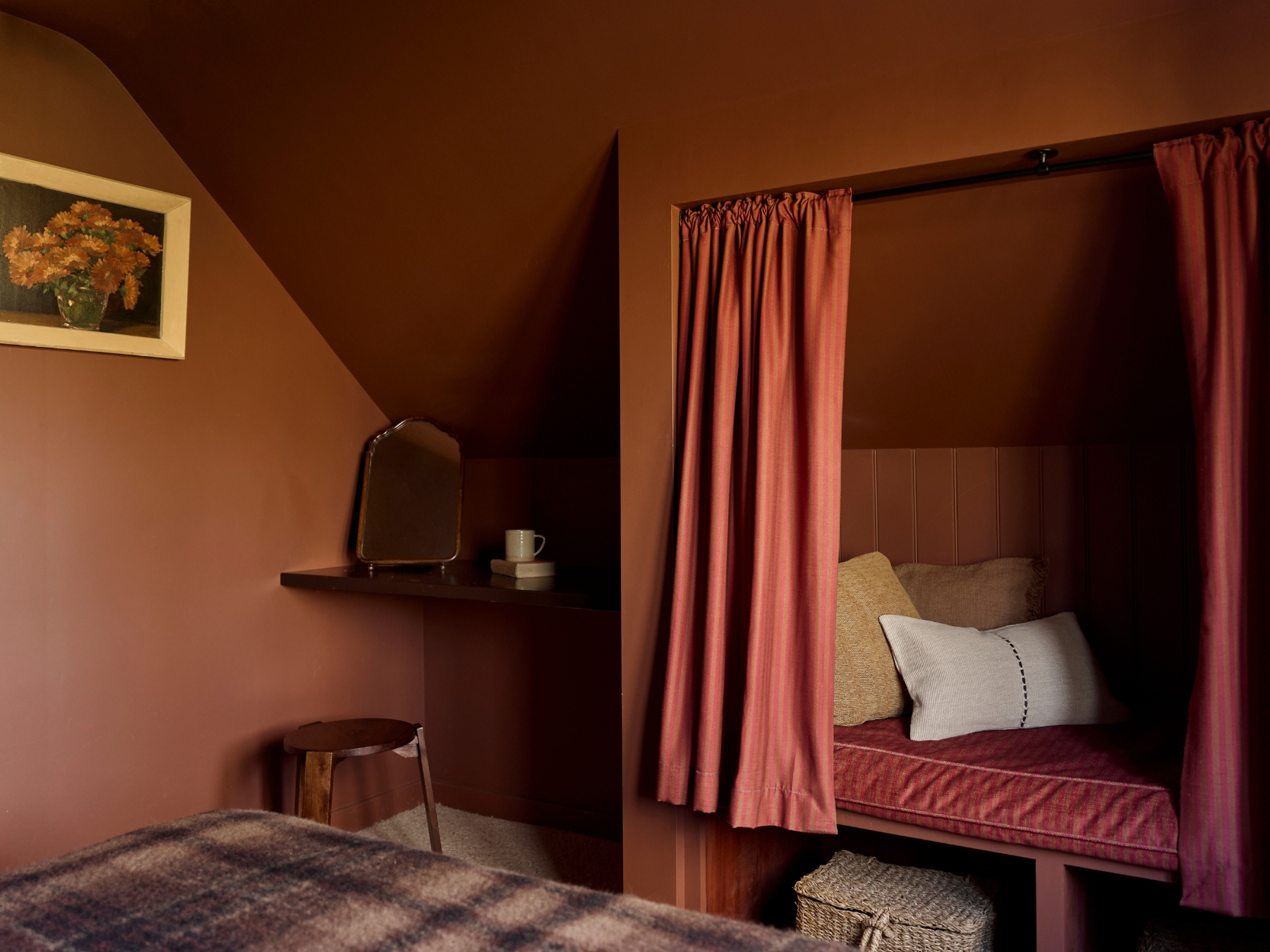
Restaries is a design-led countryside retreat in Suffolk, set around Paradise Farm, our 16th-century farm with beautifully restored barns, guest houses, animals, gardens, a pool, hot tubs, event spaces and plenty of big Suffolk sky.
We host stays, retreats, brand events, private gatherings and creative shoots, but really what we do is create a feeling. Restaries is somewhere people can come to properly pause, reconnect, celebrate or create – without losing the comfort, detail and taste level they expect from a luxury experience.
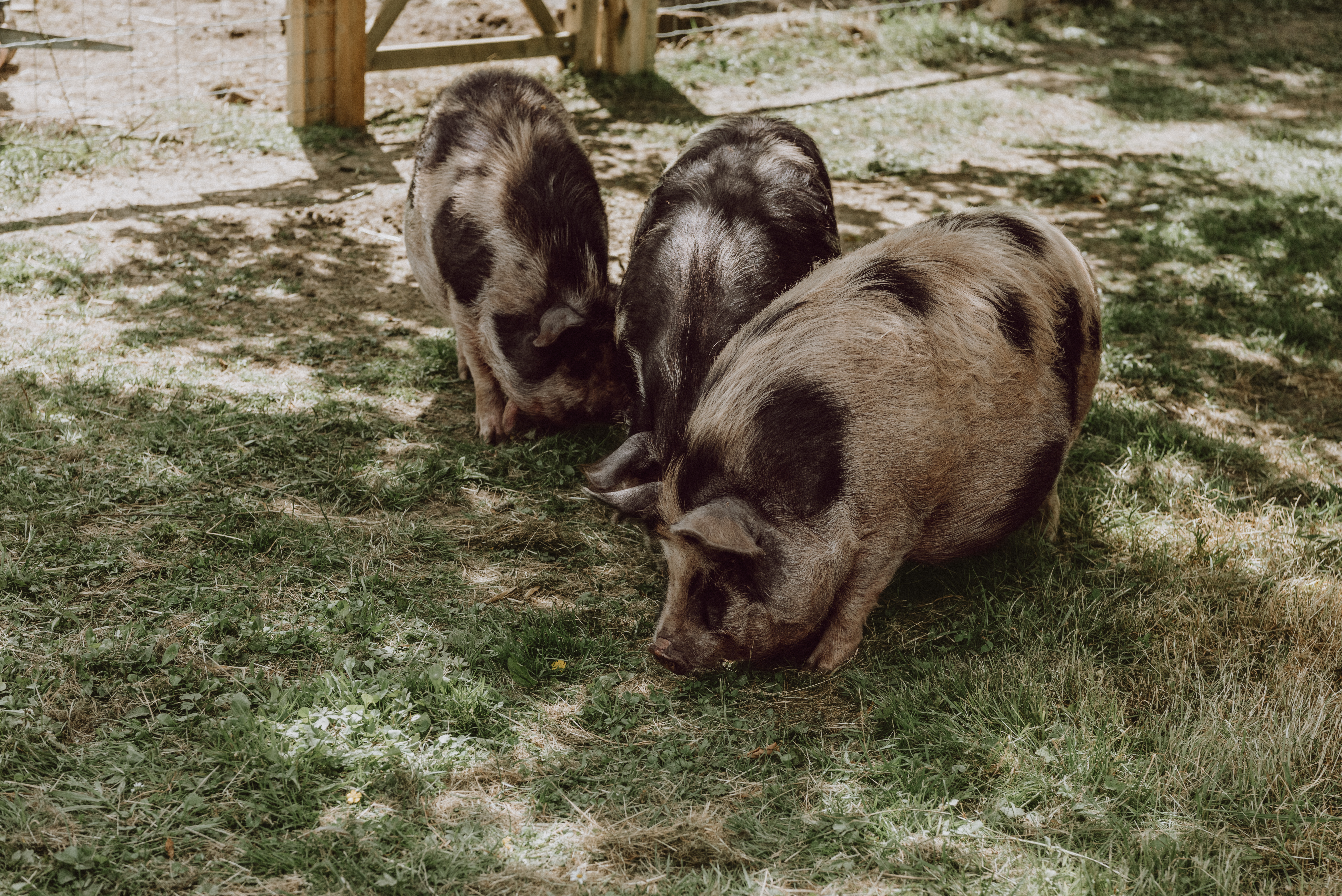
What sets us apart is the mix. We are not a traditional country house hotel, and we are not a polished corporate retreat. We are somewhere between a boutique hotel, a farm, a private members’ escape, a and family home. You might have a beautiful dinner in the woods, a meeting in the barn, a swim under the retractable pool cover, a private chef supper, or an alpaca wandering past at exactly the right moment.
It is luxury, but with mud on its boots, and heart in everything we do.
Why was launching this company important to you?
Restaries was about creating the life and the business we couldn’t quite find anywhere else. We had both spent years in industries that were beautiful, exciting and inspiring, but also very fast. We wanted to build something that still had all the creativity, culture and attention to detail of those worlds, but with more space, more nature, more meaning and more human connection.
It was also important to us to create a place where countryside hospitality could feel contemporary and culturally relevant. The countryside can sometimes be presented as either very traditional or very polished, and we wanted to make something warmer, looser and more alive. Somewhere design-conscious people, families, founders, creatives and brands could come and feel completely at home.
And on a personal level, Paradise Farm became our family home as well as our business. So Restaries is not theoretical for us. We live it every day, which makes it both completely mad and incredibly special.
How does your company represent the future of British luxury?
We think the future of British luxury is less about formality and more about feeling. People are looking for spaces that are beautiful, of course, but also generous, restorative, thoughtful and real. Luxury now is time, space, privacy, nature, good food, considered design, a proper night’s sleep and the feeling that someone has quietly thought about what you might need before you do.
Restaries represents a more modern, emotionally intelligent version of British luxury. It is rooted in heritage – a 16th-century Suffolk farm, old barns, local produce, traditional landscapes – but it is expressed through contemporary design, cultural partnerships, creative hospitality and a very personal style of hosting.
We want to show that British luxury can be relaxed without losing its standards. It can be stylish without being stiff. It can be rural without being twee. And it can have a sense of humour, which we think is vital.
What’s an important value for you that you’ve ensured is part of your business?
Care, in every sense. Care for guests, care for the buildings, care for the land, care for the animals, care for the details, and care for the team and partners who help bring Restaries to life.
We always come back to the idea that people should feel looked after without feeling managed. That is a subtle difference, but it really matters. We don’t want hospitality to feel scripted or overbearing. We want it to feel instinctive, thoughtful and generous.
There is also a strong value around authenticity. We never wanted to create a place that felt like a set pretending to be a farm. Restaries is beautiful, but it is also real. There are animals, weather, children, mud, flowers, fires, old buildings and slightly chaotic moments. That is part of the magic.
Tell me about an obstacle you’ve experienced in establishing your business, and how you overcame it?
The biggest obstacle has probably been building something ambitious with very limited resources, while also living in the middle of it with a young family. We didn’t launch with huge teams, endless funding or a fully finished estate. We launched by doing a lot ourselves: renovating, hosting, styling, cleaning, marketing, replying to guests, feeding animals, moving furniture, lighting fires, setting tables and occasionally wondering what on earth we had done.
But that has also become one of our strengths because we have been so close to every part of the business, we understand it from the inside out. We know what guests notice, what they need, what breaks, what works, what feels good, and what doesn’t.
We overcame it by staying very clear on the vision, being resourceful, working with brilliant partners, and learning quickly. There has been a lot of glamour, but also a lot of mops, spreadsheets and emergency livestock moments – birthing the piglets was insane!
What is your ultimate goal for your business? What’s the dream?
The dream is for Restaries to become one of the most loved countryside hospitality brands in Britain. We want Paradise Farm to continue growing as a destination for stays, retreats, food, wellness, creative production and brand experiences, but we also see Restaries as something that could live beyond one place/ beyond the farm walls...
The ultimate goal is to build a brand that people trust for a certain feeling: beautiful design, emotional warmth, rural escapism, proper hosting and a sense of ease. Whether that is at Paradise Farm, future farm stays, collaborations, products or experiences, we want Restaries to stand for a very particular kind of modern countryside luxury.
But at the heart of it, the dream is simple: to create places people don’t want to leave, and always want to come back to.
What’s the best thing you’ve learned on the Brands of Tomorrow programme so far?
The biggest learning has been the power of stepping back from the day-to-day and really looking at Restaries as a brand, not just a place. When you are in the early stages of a business, you spend so much time doing. You are constantly fixing, hosting, building, selling, replying, cleaning, planning. The Brands of Tomorrow programme has given us the space to think more strategically about what we are creating, where the value really sits, and how we protect the magic as we grow.
It has also been incredibly reassuring to be around other founders who are building ambitious British brands in very different sectors, but experiencing many of the same questions. There is something very powerful in realising that everyone is working it out, just with different spreadsheets.
What’s a key piece of advice you’d share with another entrepreneur that you’ve learned or been given on your journey?
One of the best pieces of advice is to be very clear on what only you can do. In the beginning, especially with a founder-led business, you feel like you have to do absolutely everything. And sometimes, frankly, you do. But as the business grows, you have to understand where your energy has the most value.
For us, that means protecting the vision, the brand, the guest experience and the partnerships that make Restaries special, while slowly learning to let go of the things that other brilliant people can do better, faster or with less emotional drama.
It has helped us make better decisions, build more confidence and stop treating every task as equally important. Some things need founder obsession. Some things just need a good system and a cup of tea.
Daily Luxury Digest
Sent every working day, the Daily Luxury Digest is your essential news source for the latest developments in the luxury sector both in the UK and around the world.