The UK Packaging Pact – the Waste and Resources Action Programme's new cross-industry initiative designed to transform the UK’s packaging system and drive reductions in waste and emissions - launched in April. As the programme comes into focus, the time is ripe to highlight how brands and organisations are seizing the opportunity to explore new ways of integrating sustainability into their packaging in pursuit of the circular economy.
Packaging plays a central role in the luxury sector, where carefully selected materials and finishes create distinctive experiences for the customer. As sustainability targets become more ambitious, brands face the challenge of maintaining such experiences while transitioning to new or alternative materials.
To meet sustainability goals and lead in innovation, luxury brands are taking bold steps to eliminate plastics from their supply chains while elevating the art of packaging design. In doing so, they demonstrate that sustainability is not a token add-on, but a hallmark of a luxury product that has been thoughtfully conceived in every detail.
Walpole and its members have set an ambitious goal to ensure that 100% of B2C packaging is reusable or kerbside recyclable, and that non-recyclable B2B packaging is minimised throughout the value chain. This is part of the Walpole Luxury Sustainability Manifesto. Walpole member brands committed to this vision include Fortnum & Mason, Boodles, and Neal’s Yard Remedies.
By championing sustainable practices, these brands support the circular economy and help to mitigate the impacts of the climate crisis, all while building resilient, future-focused businesses that stand out in an increasingly crowded marketplace. In doing so, they also substantiate their climate claims and reduce the risk of greenwashing.
The brands prioritising circularity – and reaping the rewards
Across the luxury industry, many brands are making strides in sustainable packaging. In the retail sector, Fortnum & Mason is driven by three sustainability and social responsibility pillars: people, product and planet.
At Fortnum & Mason, circularity underpins its approach, guided by a clear reduce, reuse, recycle framework within its 'product' pillar.
The starting point is reduction. Fortnum & Mason has redesigned the outer packaging of its iconic hampers, delivering a 25% reduction in packaging weight and a 20% decrease in overall volume. This has improved vehicle utilisation and storage efficiency, lowering emissions associated with manufacturing and transport while using fewer materials overall. In another example, the tea buying team redesigned the outer packaging, including the tamper seal and individual tea bag envelopes, and is now transitioning to plastic‑free, kerbside‑recyclable boxes.
Reuse and recycling follow. Across the business, plastic, glass, paper and cardboard are recycled, while surplus food is repurposed for positive outcomes rather than wasted. Packaging is increasingly designed to be reused, repurposed or easily recycled at end of life.
This same circular mindset is now shaping ingredient sourcing decisions. By embedding circularity and regeneration into how ingredients are selected and sourced, Fortnum & Mason is aligning product design, packaging and supply chains around a single objective: keeping resources in use for longer, reducing waste, and supporting more resilient systems from farm to finished product.
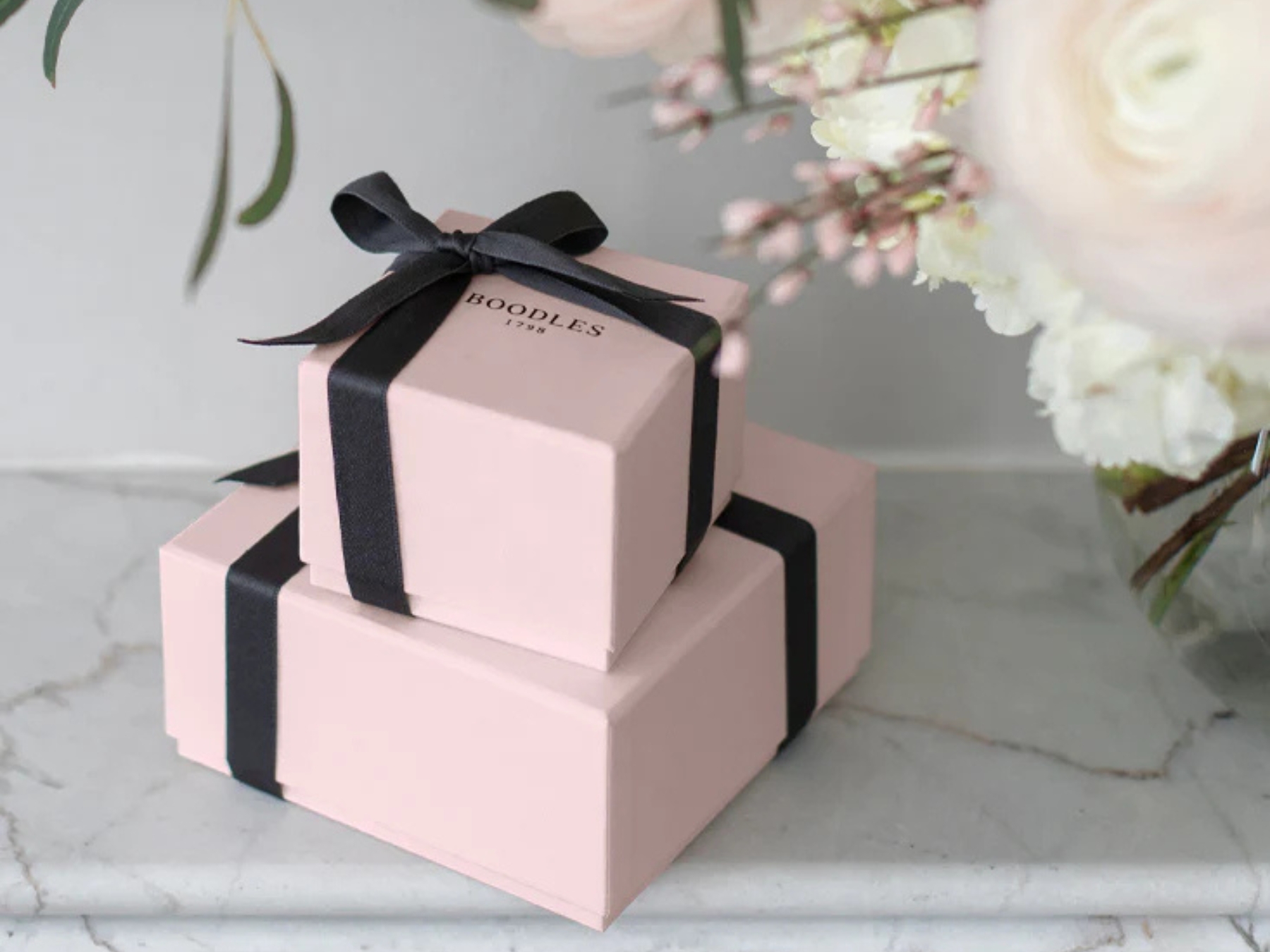
The jewellery sector is also working toward circularity. Since 2017, Boodles has redefined its approach to packaging, ensuring that all its bags, e-commerce packaging, and brochures are now made from fully recyclable, FSC-certified paper.
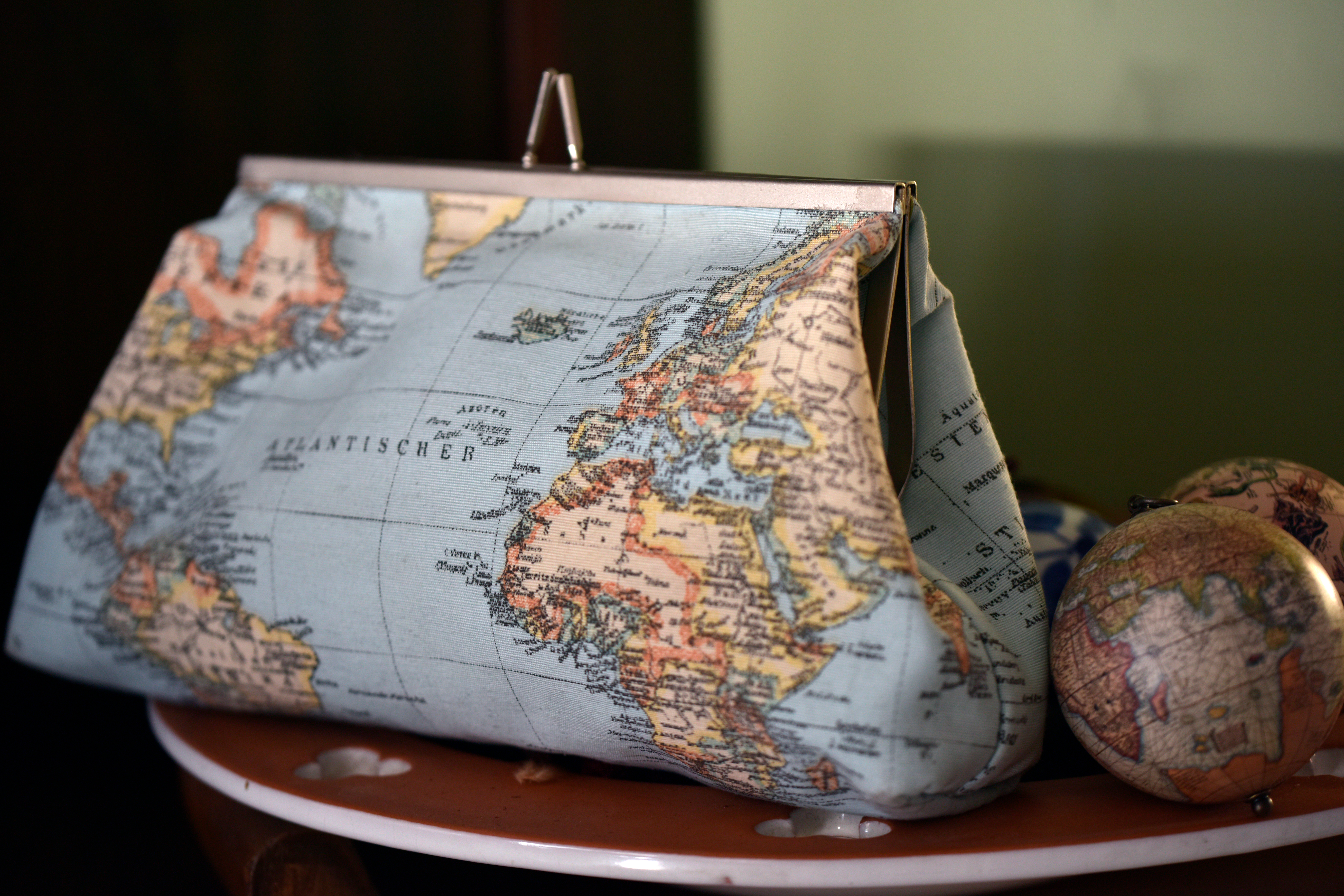
As part of its ongoing sustainability efforts, the jewellery brand is also set to launch a more sustainable primary packaging option that combines environmental responsibility with functionality. The new pouches, made from durable recycled fabric, provide an alternative to traditional jewellery boxes. The outer boxes, made from recycled material, remain fully recyclable, and the lighter pouch design reduces shipping-related environmental impact and makes storage easier. By adopting this approach, Boodles demonstrates how thoughtful and environmentally friendly material selection can be combined with functionality to create a premium, desirable packaging option for luxury consumers – reducing environmental impact without compromising the signature unboxing experience.
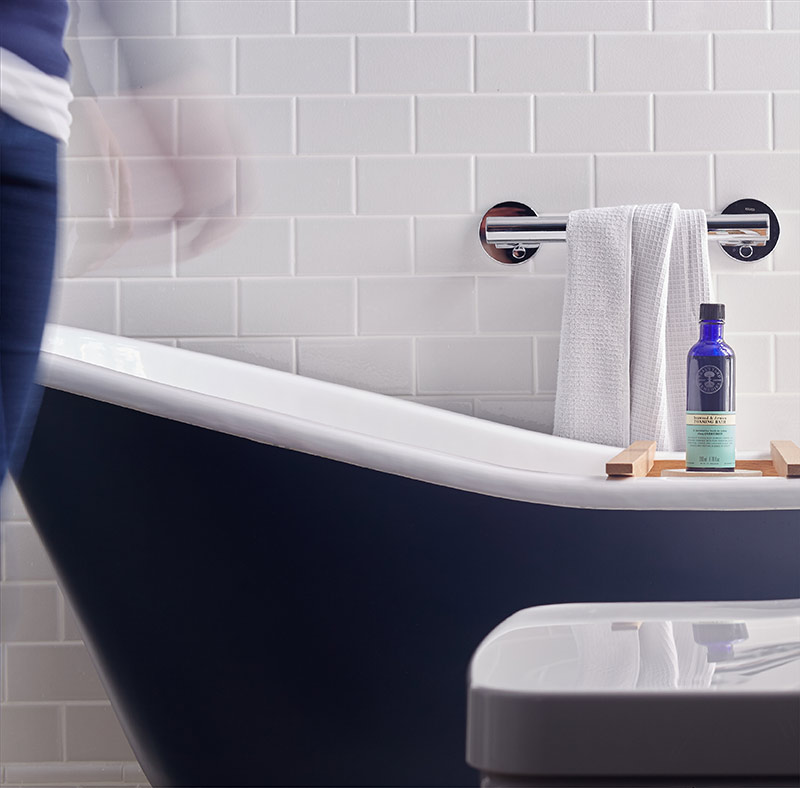
In the wellness and beauty sector, Neal’s Yard Remedies is supporting the circular economy by reducing single-use packaging in line with the UK Plastics Pact, which seeks to eliminate problematic plastics and promote recyclable packaging design. Neal’s Yard Remedies minimises plastic usage by opting for its iconic, blue glass bottles, and when glass isn’t appropriate, their blue plastic bottles are made from 100% post-consumer recycled (PCR) plastic.
Through its Keep Our Oceans Plastic Free campaign, the company has spearheaded and supported numerous circularity initiatives: it was the first national brand to offer free water refills as part of the global Refill Scheme, and also became the first UK beauty brand to earn the Look for the Zero certification, confirming that its products contain zero plastic ingredients.
Additionally, Neal’s Yard Remedies CEO and Co-Owner Anabel Kindersley is an advisor to the Sustainable Beauty Coalition, and is continuing to address the issue of packaging in the beauty industry.
Beyond plastics, Neal’s Yard Remedies prioritises responsibly sourced packaging – where possible, certified by FSC® or PEFC. Their use of World Land Trust™ Carbon Balanced Paper, for select gift boxes, has helped to offset over 600 tonnes of CO₂ and protect more than 3 million m² of threatened forest since 2012.
These initiatives not only signal a genuine commitment to a circular approach to packaging in pursuit of a more sustainable future, but also underscore a broader dedication to excellence - ensuring their products are refined, responsible, and exceptional in every respect.


.jpg)