As CEO of Walpole, and as a board member of the UK-India Creative Circle, I have the privilege of seeing first-hand the scale of ambition shaping the next phase of trade between our two nations. The UK–India Free Trade Agreement, now moving towards implementation, represents one of the most significant growth opportunities for Britain’s £81bn luxury sector in a generation.
For British craft, design, automotive, fashion, and fine food and drinks, India is no longer a distant promise. It is a present, expanding market with great confidence, capital and cultural reach.
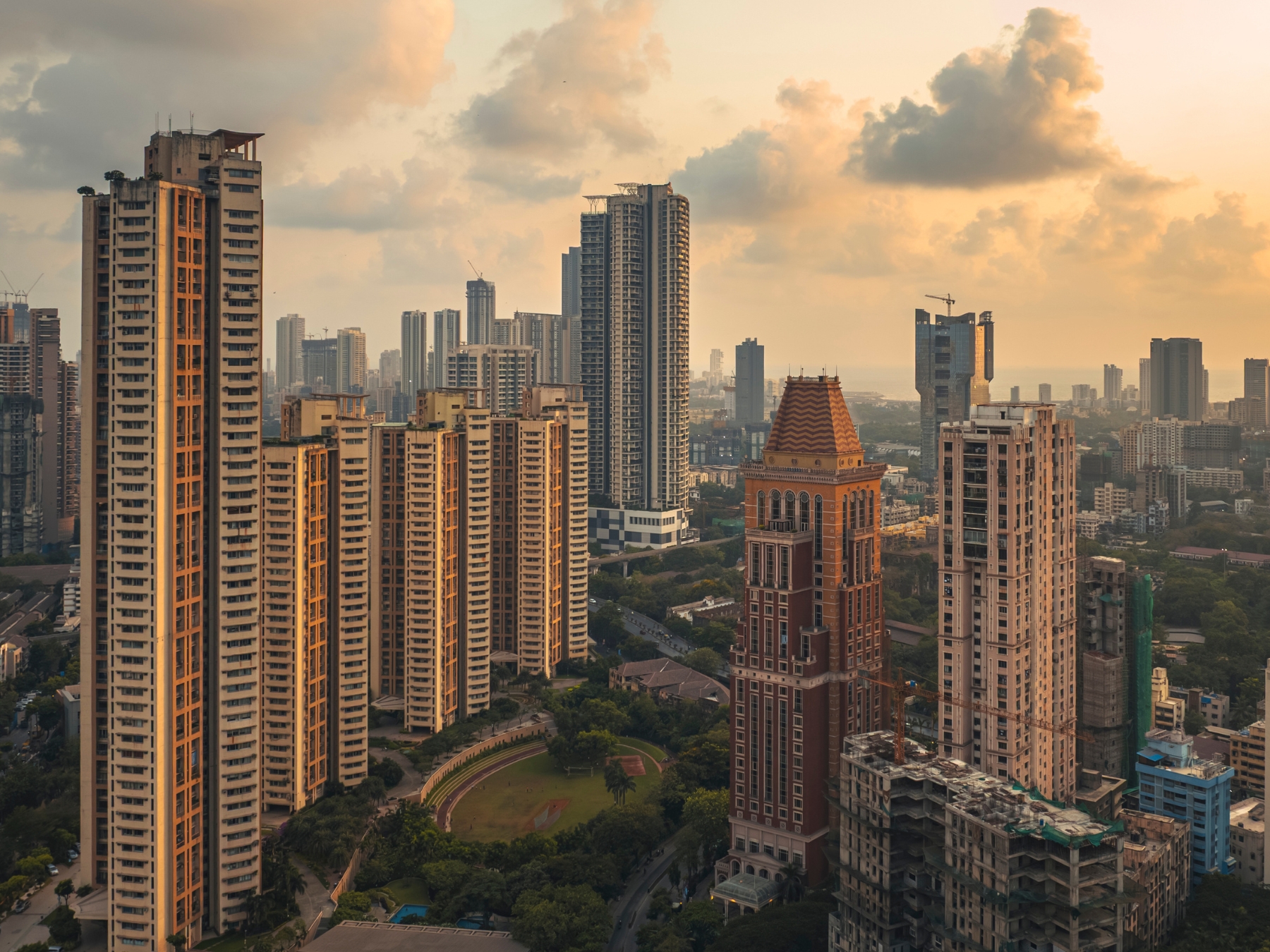
India’s luxury sector is valued at around $12bn today and forecasts suggest it could reach £70bn by 2030. The country added more than 30,000 new millionaires in 2024 alone. Its ultra-high-net-worth (UHNW) population is growing faster than anywhere else in the world. From Mumbai to Delhi, Bangalore to Hyderabad, new centres of wealth are reshaping consumption patterns across a vast and diverse nation.
The Free Trade Agreement underpins this momentum. Tariff reductions across automotive, Scotch whisky, fashion and high-value goods will materially improve access for British brands. Indian duties that once limited competitiveness will fall significantly over phased timelines, creating a more level and dynamic trading environment.
The UK is exceptionally well placed to respond.
India is already the largest market in the world for Scotch whisky by volume, with 192 million bottles exported in 2024, up almost 15% on the previous year. With tariffs easing, there is clear headroom for premiumisation and growth in value. In automotive, lower duties on British-built cars will open new opportunities for marques synonymous with craftsmanship, engineering excellence and heritage.
Beyond goods, there is cultural alignment. India has the world’s largest Gen Z population, 377 million young consumers who are highly engaged with global brands, digital platforms and cultural expression. They are discerning, ambitious and internationally minded. At the same time, India’s deep-rooted appreciation of artisanal skill, textiles, jewellery and ceremony resonates strongly with the British tradition of heritage manufacturing and bespoke service.
Luxury in India is expressed not only through products but through experiences, celebrations and community. The country’s vibrant wedding economy, its expanding hospitality sector and its growing appetite for curated retail environments all present natural opportunities for British brands whose value lies in craftsmanship, storytelling and long-term relationships.
Trade between our nations is already strengthening. UK exports to India reached £17.1bn in the year to December 2024, with goods exports rising strongly. India is now the UK’s 11th largest trading partner and an increasingly important partner in services, education and design. Luxury plays a central role in this relationship, representing 3.7% of UK GDP and supporting more than 450,000 jobs nationwide.
At Walpole, we are keen to ensure that our sector is fully prepared to seize this opportunity. This is why we are working closely with the Department for Business and Trade (DBT) to deepen understanding of the Indian luxury market and support British brands as they expand their presence there.
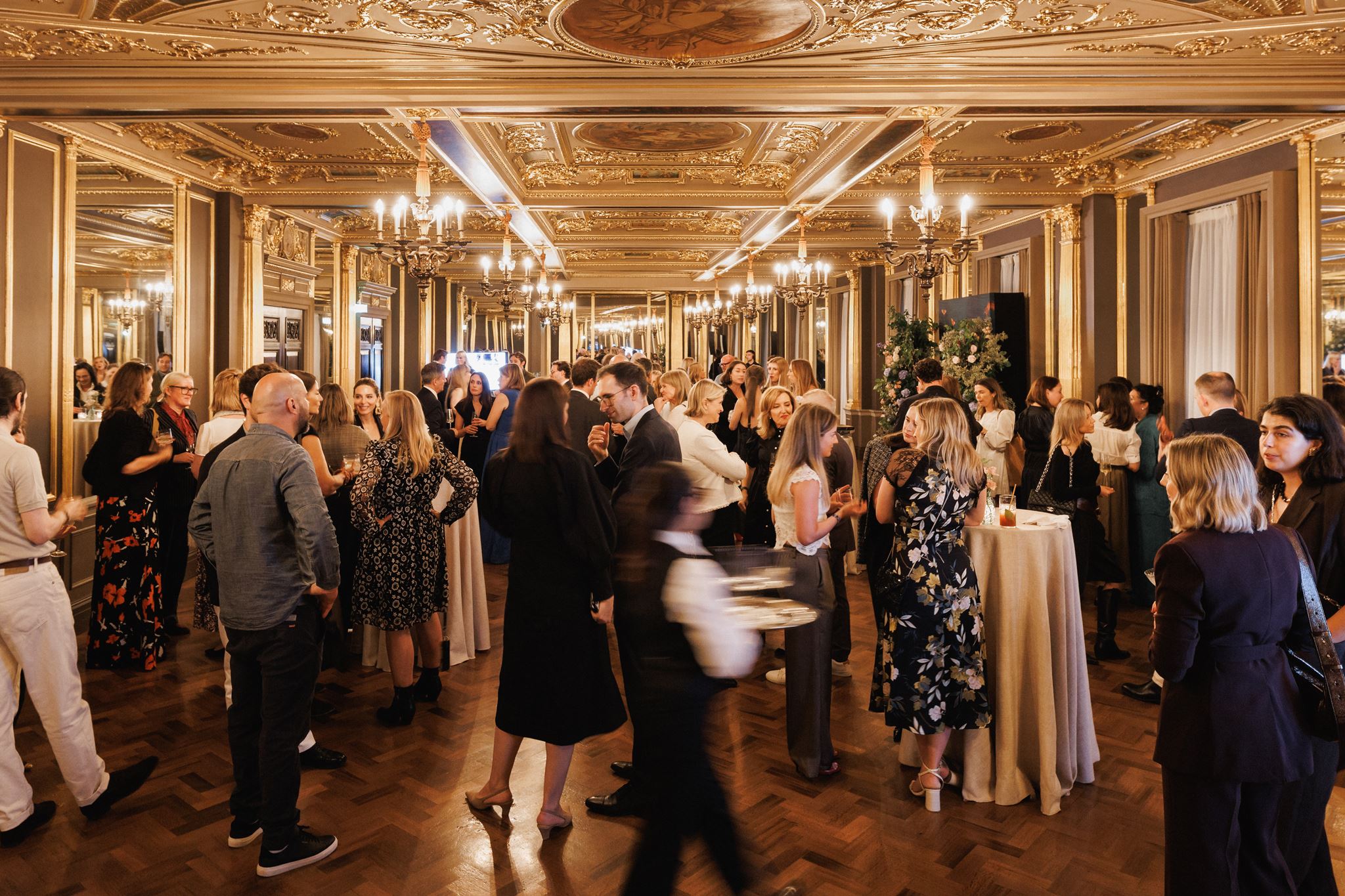
Next week, Walpole will host a private roundtable at the Walpole Townhouse with member brands and a senior representative from the DBT, recently returned from India. The discussion will bring together industry leaders to share first-hand experience of the market, explore emerging opportunities and help shape the sector’s collective approach to this important growth story.
Our objective is to ensure British luxury enters this next phase of UK–India trade in the strongest possible position.
The UK–India Free Trade Agreement provides the framework. The market fundamentals provide the momentum. As someone closely involved in this evolving partnership, I see a scale of opportunity that extends well beyond individual transactions. It is about building enduring commercial and cultural ties between two nations with long shared histories of craft, creativity and enterprise.
British luxury has always travelled well. In India, it has the opportunity to deepen its presence, strengthen its partnerships and play a meaningful role in one of the most exciting growth stories of the decade.
India is ready. And British luxury is perfectly placed to grow with it.
If you are a Walpole member and would like to join our India Roundtable on Monday 23rd March, please email [email protected]