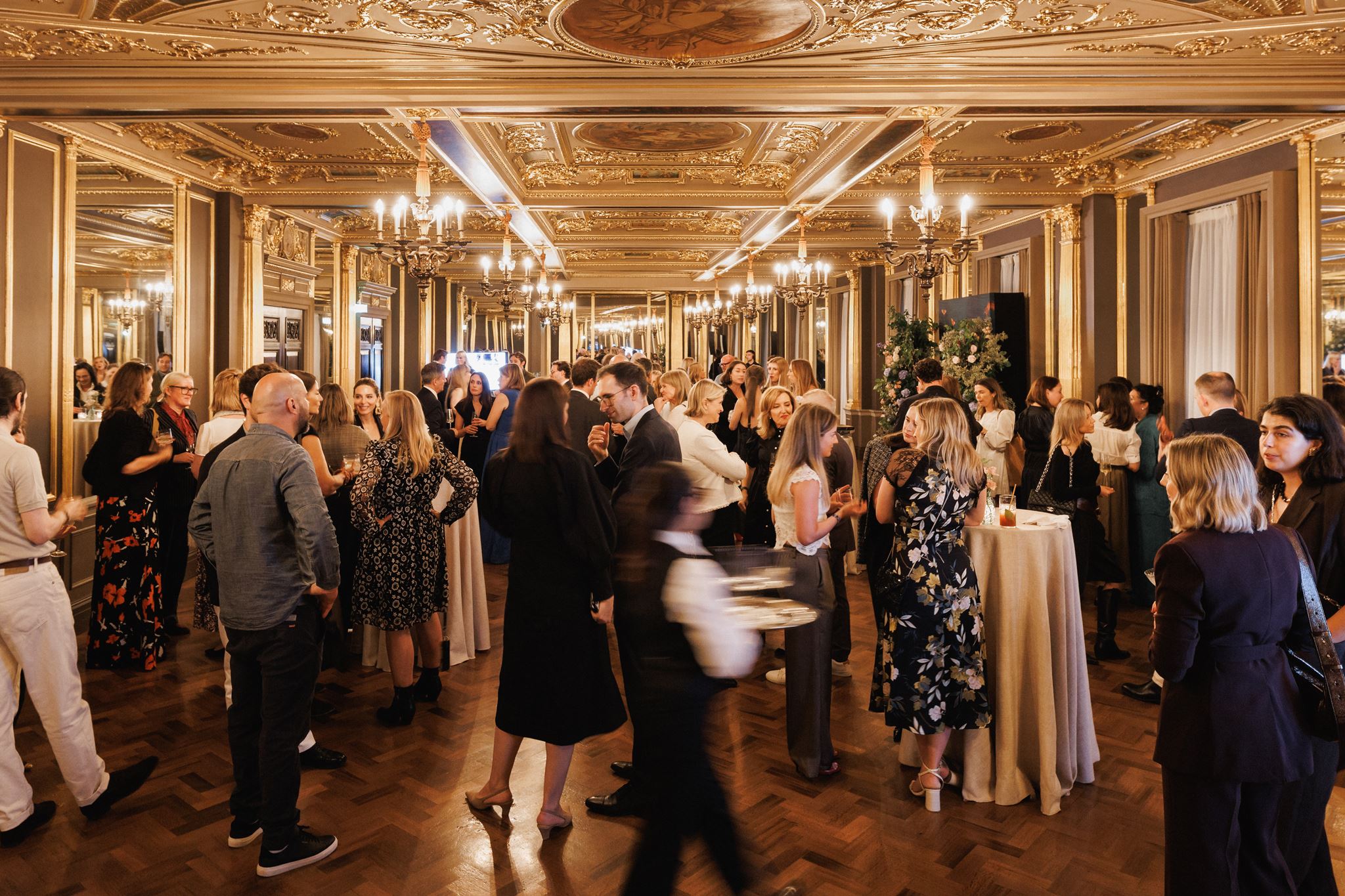
Walpole: Why is packaging important in the luxury industry?
Simon Farrow: Packaging plays a critical role in the luxury sector. It is often the first physical interaction a customer has with a brand, setting expectations around quality, craftsmanship and values before the product itself is even revealed.
What originally drew you to the luxury packaging sector, and what opportunity did you see when founding Progress Packaging?
When I first entered the industry, I noticed that packaging was often treated as a late-stage production decision. Brands would spend a great deal of time developing their products and refining their creative direction, but the practical realities of how that packaging would be produced and delivered sometimes came into the conversation quite late.
That created an opportunity. Packaging sits at the intersection of materials, manufacturing and logistics, and translating a creative idea into a successful production outcome requires specialist knowledge across all three. When I founded Progress, the aim was to build a business that could bring that technical expertise to the table and support brands in turning their ideas into high-quality, production-ready packaging.
From the beginning, the focus has been on acting as true packaging partners to our clients. Rather than simply manufacturing a product, we work alongside brands and creative teams to guide decisions around materials, structures and production processes, ensuring the final result delivers both the luxury experience and the practical performance required for manufacture, storage and distribution.
Building a business around that technical knowledge and around long-term partnerships with brands has been central to how Progress has developed over the past two decades.
Progress has developed long-standing relationships with luxury brands. What leadership approach has enabled that?
For me, leadership is about expertise and transparency. We focus on doing what’s right for the client and the outcome they are trying to achieve. Packaging production can be complex, so it’s important that clients feel they’re working with people who genuinely understand the materials, the manufacturing processes and the supply chain involved. A lot of our effort goes into building that knowledge within the team so we can offer informed guidance rather than simply executing a brief.
We also view our relationships with clients as partnerships rather than transactions. Many of the brands we work with return to us repeatedly because we’ve supported them through different stages of growth, from early product launches through to larger international roll-outs. Being able to evolve alongside our clients is something we value enormously.
Sustainability expectations in luxury are evolving quickly. How has becoming a B Corp influenced the way Progress operates?
Becoming a B Corp was an important milestone for us because it formalised many of the principles we had already been working towards. The certification process encouraged us to look closely at every aspect of the business, from governance and supply chain relationships through to environmental impact. It gave us a framework to measure what we were doing and ensure we were continually improving.
Sustainability is now a central topic for many luxury brands, and rightly so. Packaging inevitably forms part of that conversation, whether it’s material sourcing, manufacturing processes or the overall footprint of a packaging solution. Being a B Corp allows us to approach those discussions with credibility and transparency, helping clients make responsible decisions without compromising on the quality and experience expected in luxury.
Materials are becoming a defining aspect of luxury packaging. How do you help brands navigate this increasingly complex landscape?
The range of materials available today is expanding rapidly, particularly when it comes to sustainable fibres and specialist papers. That’s exciting, but it also creates complexity because each material behaves differently during manufacturing and finishing.
A key part of our role is advising brands on how those materials will perform in practice – whether that’s during printing, forming, embossing or other finishing processes. Understanding those technical behaviours is crucial to ensuring the final result meets expectations.
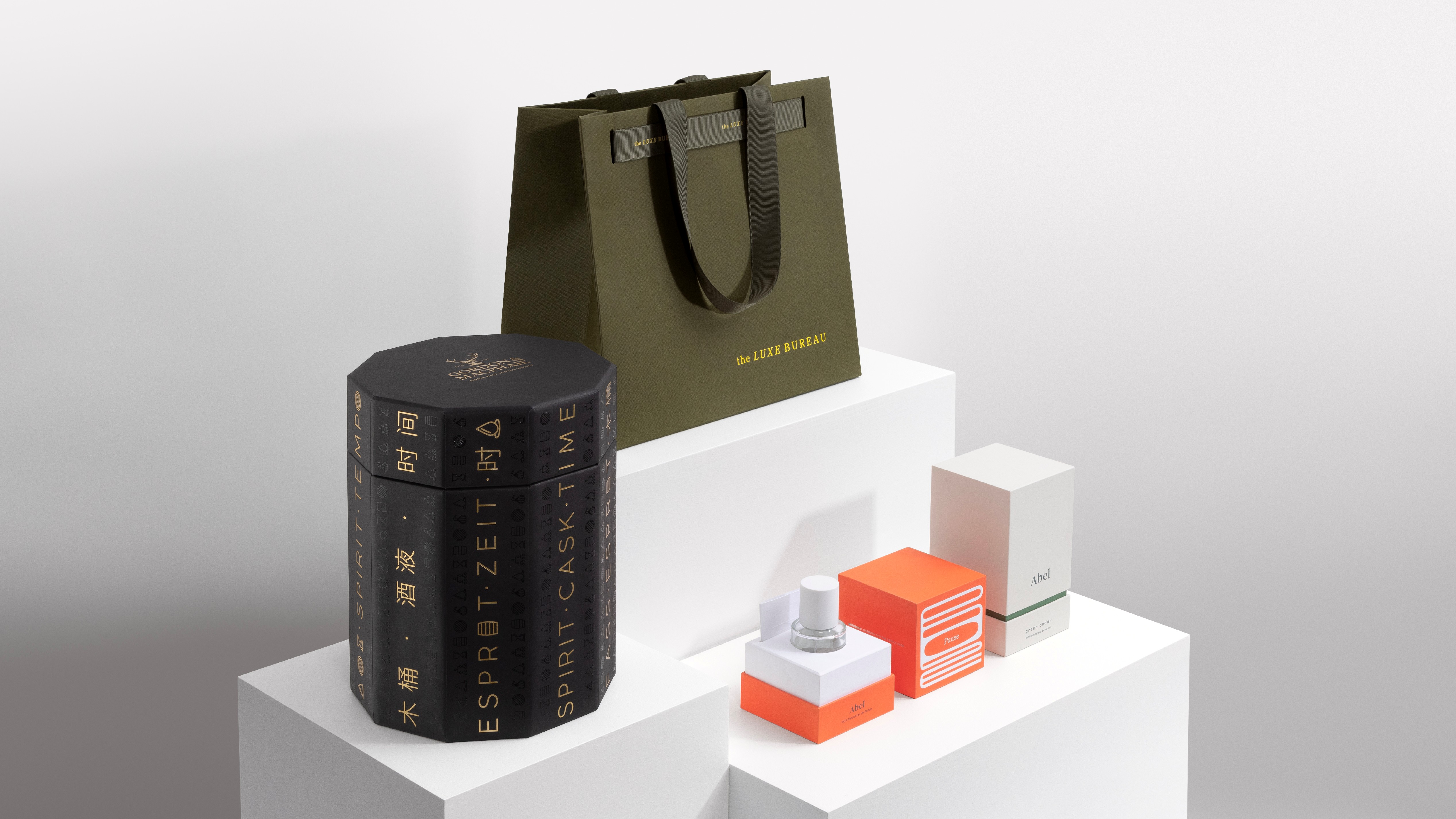
A good example is the work we did with the fragrance brand Abel, where we helped develop a bespoke coloured paper made using recycled fibres. The aim was to create a distinctive material identity while ensuring the packaging still delivered the refinement expected in the luxury fragrance sector. Projects like that demonstrate how material innovation can support both environmental goals and brand presentation.
As luxury brands grow, packaging needs often become more complex. What are the key considerations when scaling production?
Scaling introduces a new set of challenges. As production volumes increase, brands need to think about manufacturing efficiency, logistics and stock management in ways they may not have needed to before. One of the most important decisions involves selecting packaging formats that support growth. Rigid boxes, flat cartons and hybrid constructions all have different advantages depending on the product and the distribution model.
We focus heavily on engineering packaging that protects the product, travels efficiently and can be stored and handled effectively within a warehouse environment. Addressing these factors early helps brands avoid costly production challenges later on. Ultimately, the goal is to maintain the luxury experience while ensuring the packaging works smoothly within the realities of manufacturing and distribution.
Where can packaging add the most value for emerging luxury brands today?
Packaging is often the first physical interaction a customer has with a brand, so it plays a significant role in communicating quality, identity and values. For emerging brands in particular, packaging needs to balance creativity with practical considerations around production and sustainability. One area where we frequently add value is helping brands rationalise their packaging ranges. As product lines grow, it’s easy for packaging formats to become more complex, which can increase costs and material usage.
Simplifying formats where possible can improve efficiency, reduce waste and create a more consistent brand presentation. We tend to work particularly closely with brands in the £500,000 to £5mn turnover range, where businesses are entering a growth phase and packaging strategy becomes increasingly important.
How do you see luxury packaging evolving over the coming years?
Sustainability will continue to become more integrated into every production decision. Rather than being treated as a separate consideration, it is increasingly part of the entire packaging conversation – from material sourcing through to manufacturing and logistics.
We’re also seeing continued innovation in materials and production techniques, which opens up new possibilities for brands looking to express their identity through packaging.
At the same time, there is growing attention on efficiency, ensuring packaging performs well not only visually but also operationally across manufacturing, transport and storage.
What will remain constant is the role packaging plays in shaping the luxury experience. When it’s done well, it enhances the story a brand is telling and strengthens the moment when a customer first engages with the product.
Why was it important for you to be part of Walpole?
As Walpole continues to foster collaboration across the UK’s luxury sector, businesses like Progress Packaging play an important role behind the scenes, bringing technical expertise, materials knowledge and production capability to the brands shaping the future of the industry.
For emerging luxury businesses in particular, including those nurtured through programmes such as Brands of Tomorrow, thoughtful packaging can support both growth and brand identity. With the right production partner, packaging becomes not just a container for a product, but a meaningful part of the luxury experience.
For more information about Progress Packaging, visit progresspackaging.co.uk