Asia-Pacific remains crucial to the luxury market
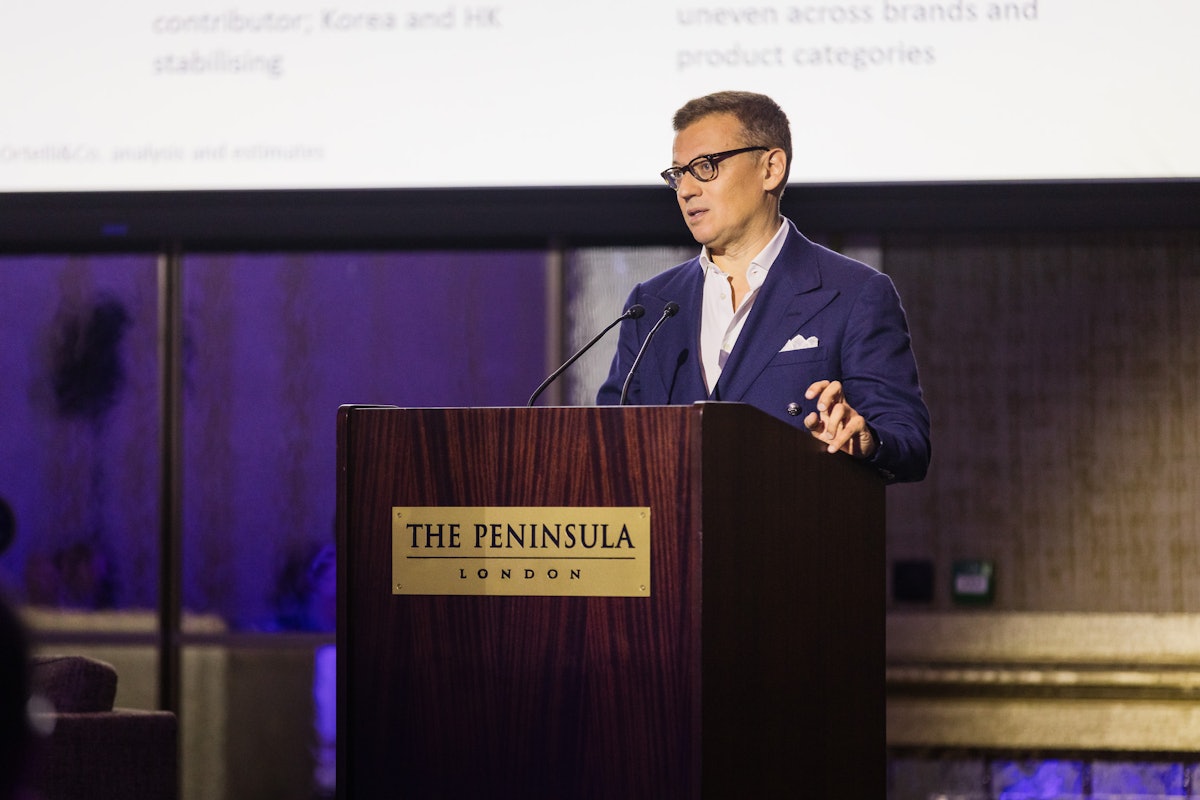
While all eyes might be on the US, after a post-pandemic slump in 2024 and 2025, the APAC region is set to grow by around 3-5% in 2026, according to Mario Ortelli, Managing Partner at Ortelli&Co. “[In 2025], the market in Asia finally bottomed out and improved, especially in the second half of the year. We expect low- to mid-single digit growth driven by a recovering China, a good leader in South Korea, and the buoyant market in Southeast Asia.”
There are a number of factors spurring this recovery, among the most important of which is the K-shaped recovery currently being seen in the Chinese economy. This is encouraging both UHNW and aspirational Chinese consumers back to the market with many (65%) now choosing to buy domestically rather than abroad. Elsewhere, while Japan’s market is experiencing a period of normalisation as the yen strengthens, South Korea is seeing a boom in luxury spending thanks to an influx of tourism encouraged by a relatively weak won, representing a major opportunity for brands not yet present in the country.
Growing wealth in Southeast Asia was highlighted as another bright spot. Over the next two years the number of high-net-worth individuals in Southeast Asia is forecast to grow 45% with speakers signally that they seeing the same of elements of growth that they saw in China 15 years ago.
Success requires more than a ‘one size fits all’ approach
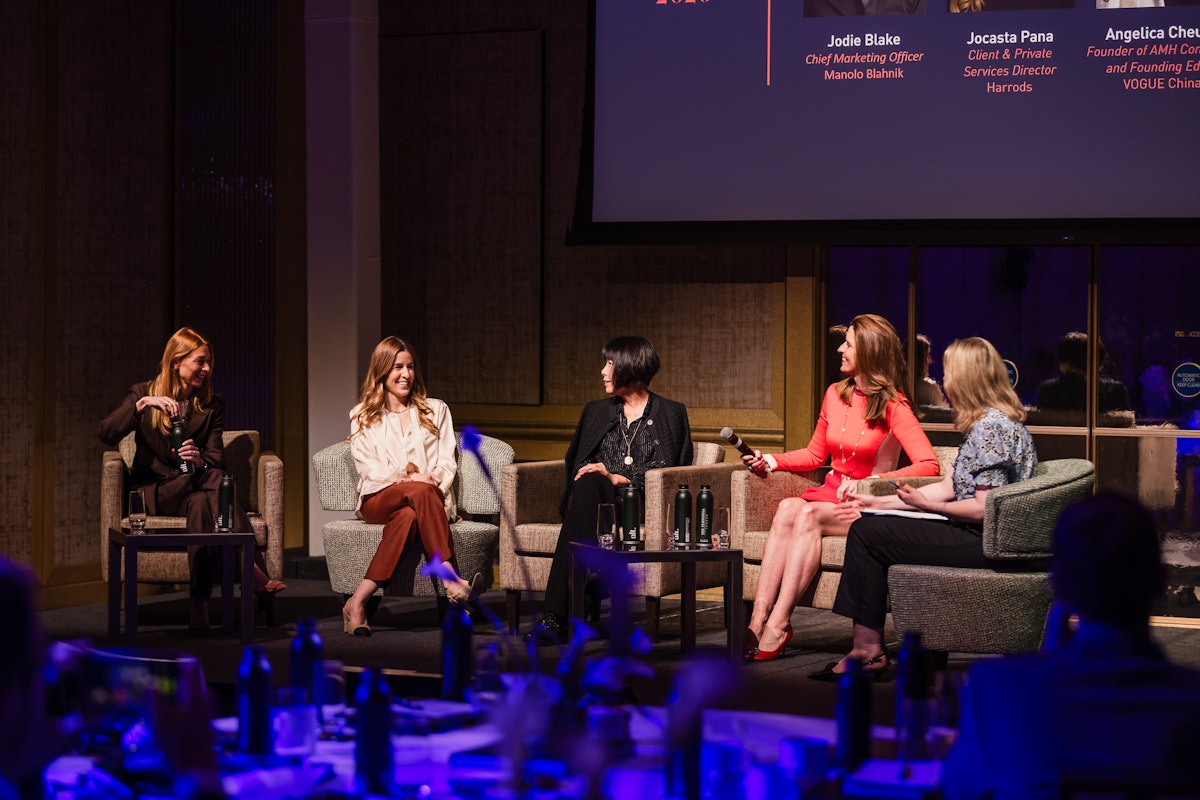
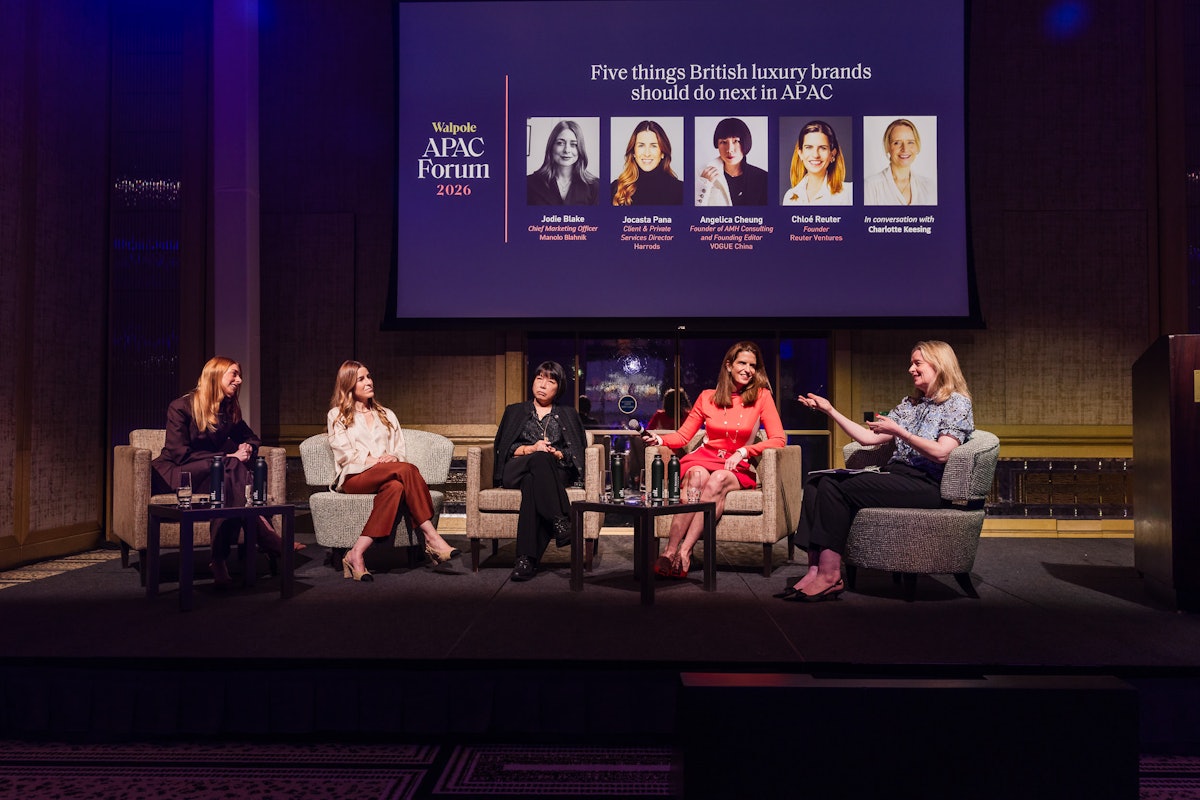
The message that APAC, as a region, is not homogeneous. This message was repeated by many experts as a warning to any brand who believes they can enter the markets with what Jodie Blake, Chief Marketing Officer at Manolo Blahnik, called “a cookie cutter approach”. "APAC is not one region and one territory,” she explained. “There are so many different cultural nuances and wants and needs, even within specific cities and communities." Understanding the nuances of the individual markets and customers is imperative to success.
China is back (but not as you know it)
China’s K-shaped recovery means it is set to remain one of the most important luxury markets not just in the APAC region, but in the world. However, as Jack Porteous, Commercial Director at TONG Global noted, “What we can't assume is that China is the same now as it was before during the pandemic. China's role in global luxury has changed quite considerably. A market with more moderate growth and sophisticated consumers creates new challenges and opportunities.”
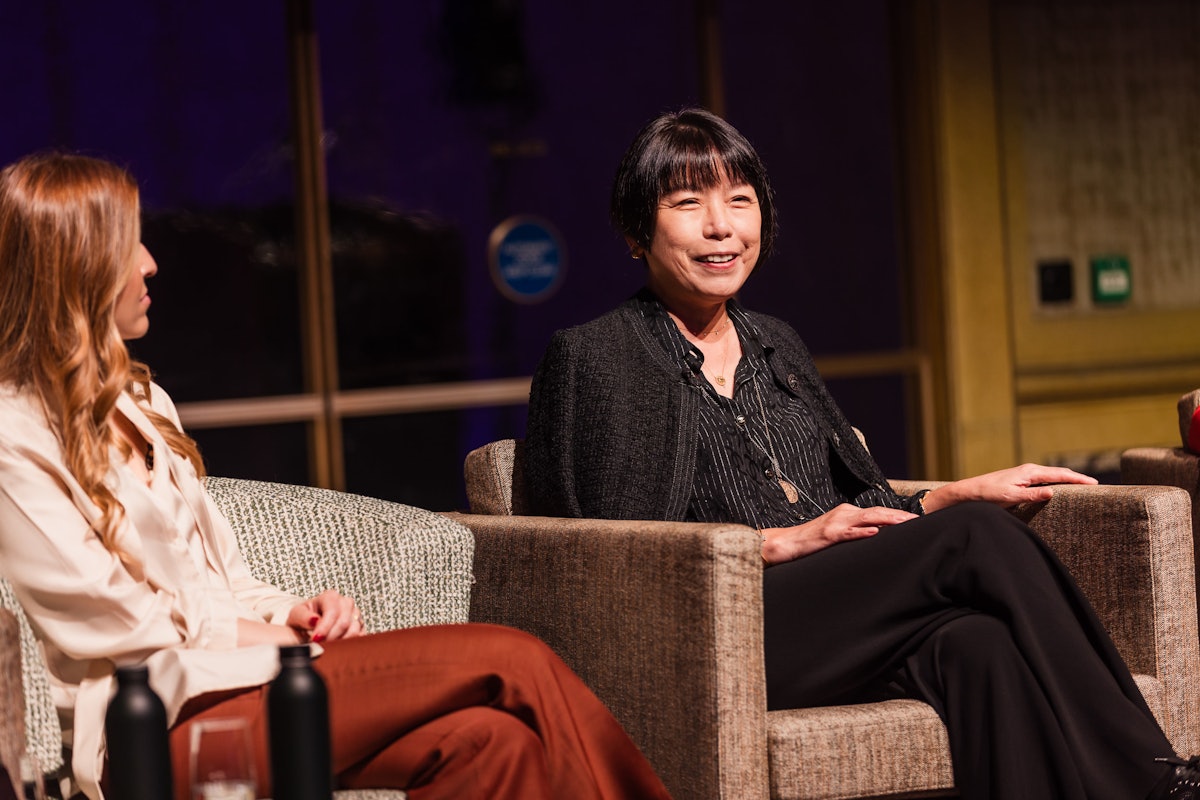
With 65% of Chinese luxury consumption now done at home, it is key that luxury brands not only have a presence in mainland China but also understand how this shift is being driven by changing desires and demographics among the Chinese consumer base. “Since Covid, [China has become] more multifaceted,” according to Angelica Cheung, Founder of AMH Consulting and Founding Editor of Vogue China. “It's not one dimensional anymore… there is still the rich high-net-worth community, there are aspiring people, then there’s Gen Z with its ‘lay flat’, ‘anti-wealth’, ambitious and nationalistic movements.”
When it comes to product, however, one thing is clear: the Chinese consumer wants something distinguished in comparison to the global consumer, and there is a growing preference for Chinese brands, especially in sectors where China has got an incredible heritage of craftsmanship and tradition.
South Korea is cementing itself as a major global tastemaker
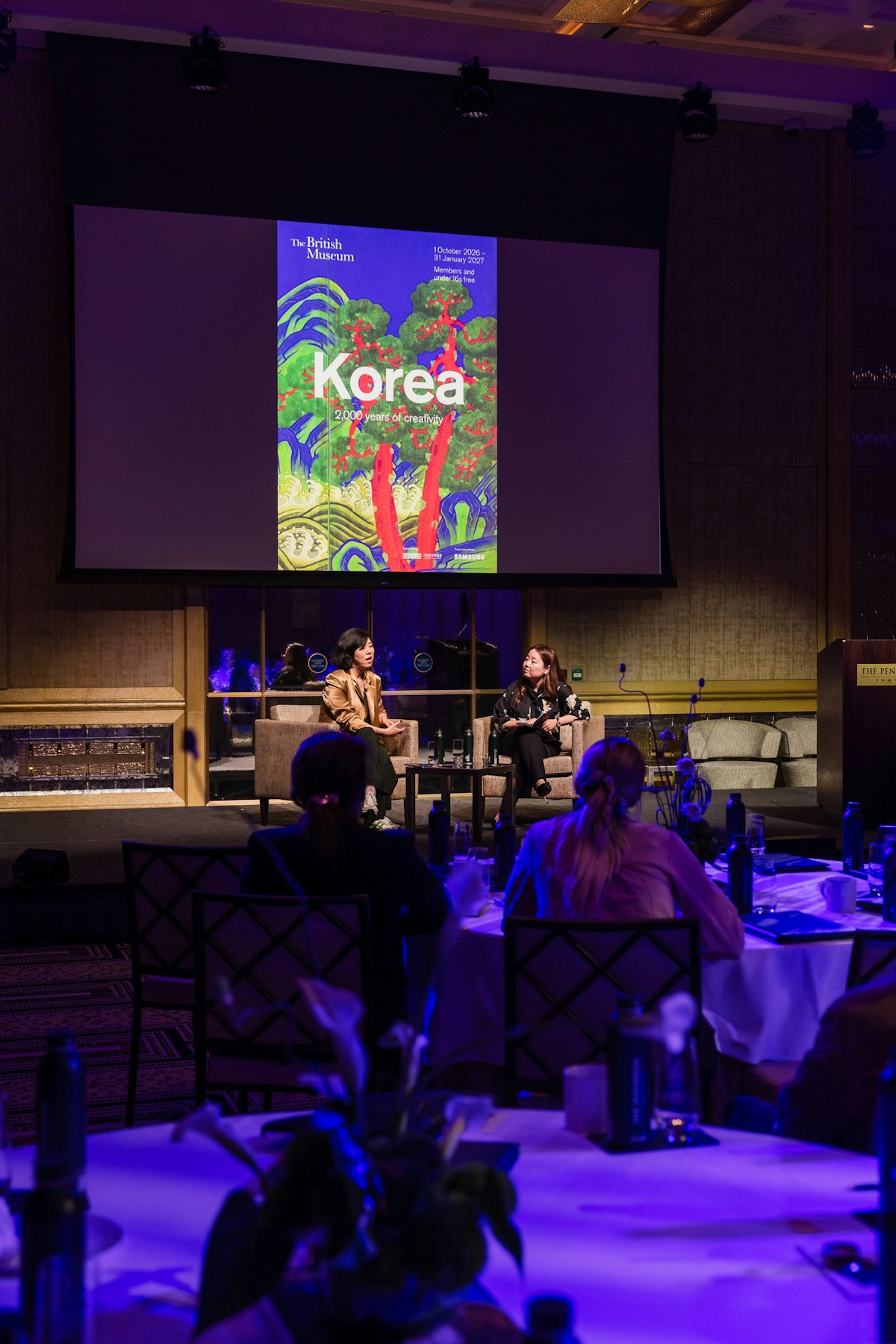
Fuelled by entrepreneurial ambition and extraordinary cultural reach, Korea has become a major force in global culture over the past decade. Through music, film, beauty and design, it continues to shape aspiration and consumer behaviour across Asia-Pacific and the beyond. This rising prominence is being borne out in the country’s economy and luxury markets, with the South Korean index becoming the world’s best performing stock market in 2025 and the country experiencing an influx of high-spending tourists. While this spend is partially motivated by the relative weakness of the won, it is undeniably also contributed to by a rising interest and curiosity in K-culture.
This tastemaker status, as highlighted by Fiona Bae, Founder and Culture Consultant at fionabae, has been furthered by the inauguration of events such as Frieze Seoul, which, she explained, “Had a huge impact on Korea, making it the hottest new destination, not just for young Asian travellers, but for the cultural elite." As major players like Louis Vuitton, which staged a pop-up at Frieze Seoul, are already proving, for brands looking to tie themselves into the popularity and hype around Korean culture, activations and collaborations at events such as these are highly effective.
Embrace playfulness in your marketing
Reaching and, more importantly, resonating with consumers across the different markets requires a different approach that isn’t afraid to be experimental and particularly in China embrace being playful, agreed experts from brands, agencies and media alike.
With China, Japan and South Korea now standing at the forefront of the global cultural conversations, simply relying on a story of heritage or craft won’t cut it, said Davin Reid-Montanaro, Director of Data & Analytics for AFFLUENTIAL at Agility Research & Strategy: "It's not enough to just say you've been around for 100 or 200 years. It's about really telling a story that aligns with personal values."
Taking your time to really understand local cultures and customers, working with local teams and partners is imperative. As Jodie Blake, Chief Marketing Officer at Manolo Blahnik said, "You cannot learn from a PowerPoint document how things translate in specific places – and I think that's where most people make the mistake. You can't expect that every single part of your heritage is going to translate. [You must work] with local partners who deeply know the market and what's going to resonate and be really a beautiful interpretation of a brand relevant to local consumers.”
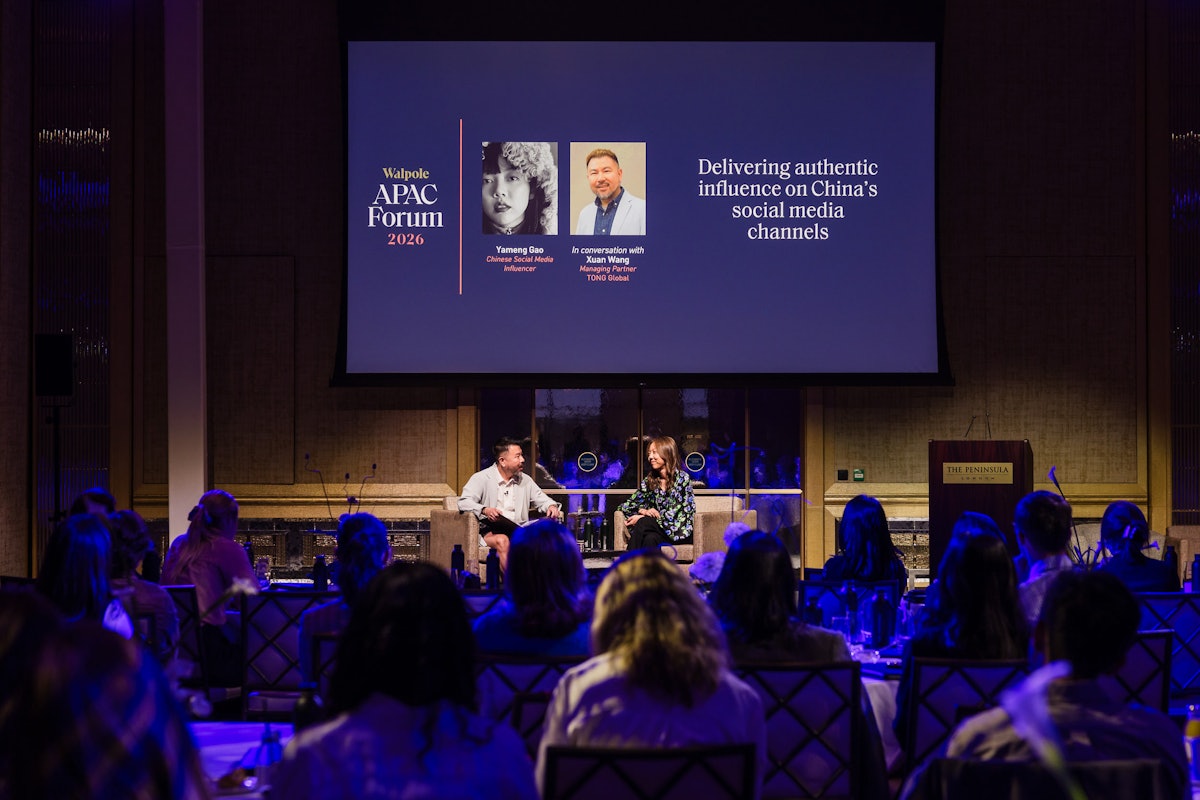
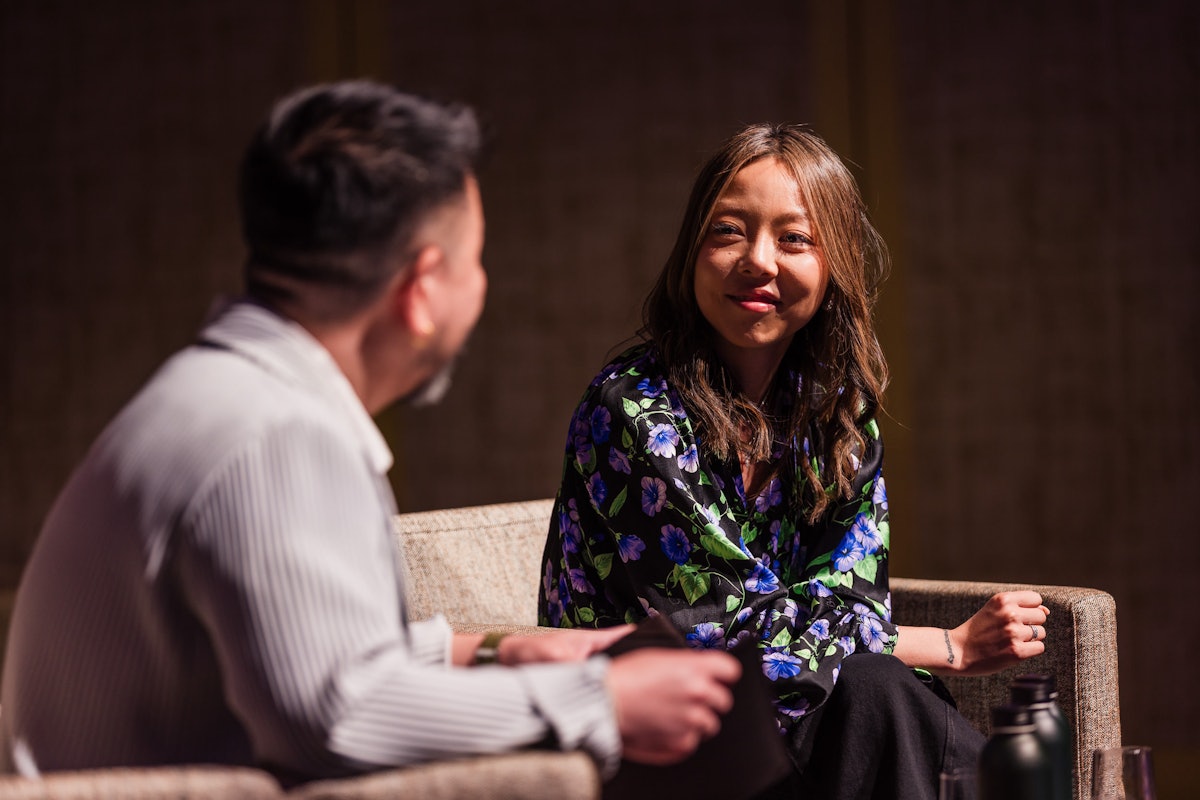
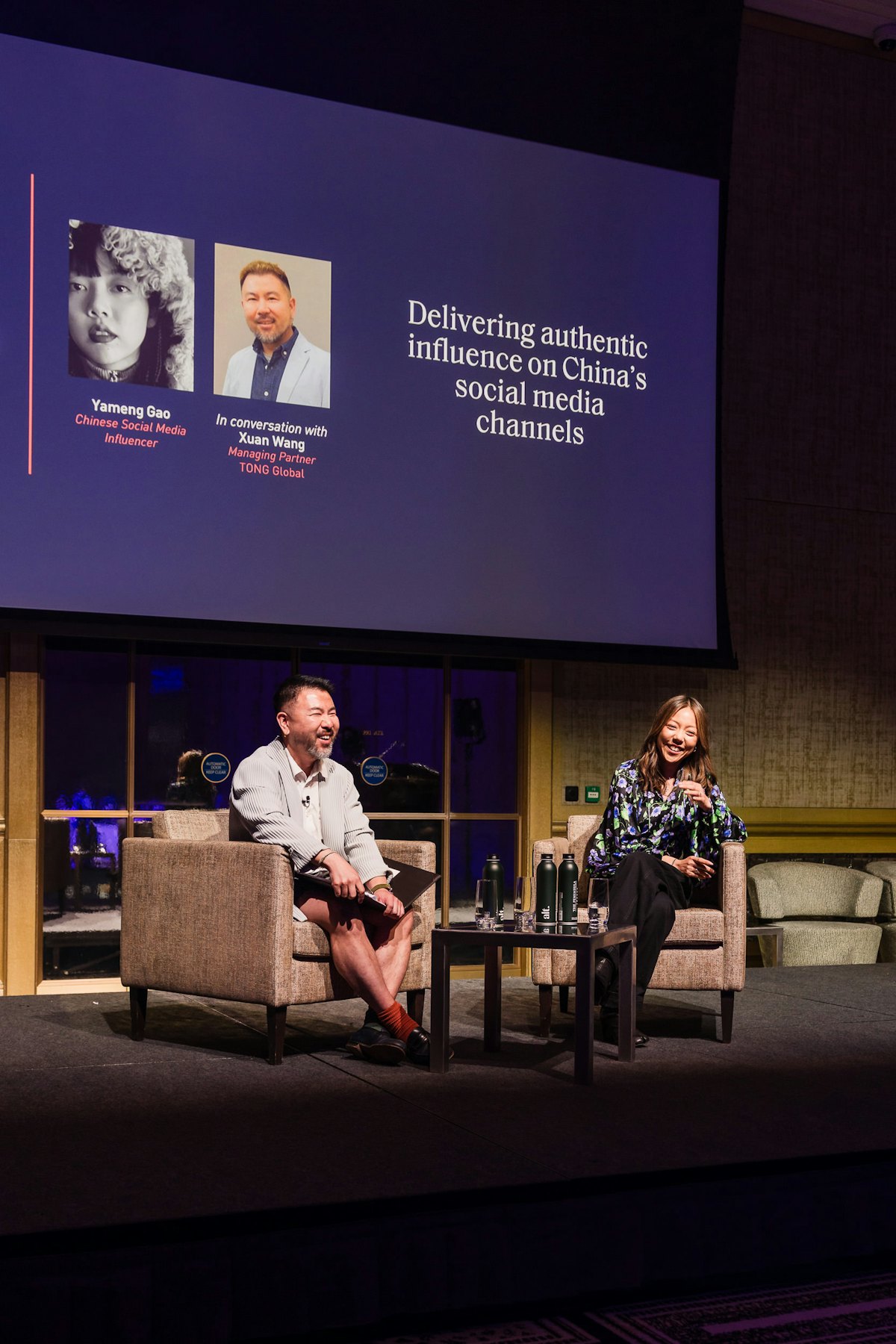
For British luxury brands it is about finding the balance. While elements of quintessential Britishness, such as Vispring's connection to the Royal Family or Barbour’s recent collaboration with Brompton and Land Rover in Shanghai, resonate, often something a little more unexpected, such as Gucci’s takeover of a traditional Chinese wet market, will have greater appeal. Few know this better than Chinese content creator and KOL Yameng Gao, who explained, “The biggest challenge is finding a balance between what the brand wants to communicate and what people actually watch. Luxury brands care more about storytelling, but social media doesn't look like that at all. People make decisions in a second, so if you can't catch them at the beginning, you don't even have a chance to present your message."
The global flow of cultural influence has evolved and brands need to adapt their thinking
While South Korea is undoubtedly asserting itself on the world stage, a more zoomed-out view of the wider APAC market reveals this is a trend present across the region. Where once established European brands and cultural figures dominated a one-way conversation around the latest and greatest in fashion, beauty and pop culture, over the last decade this has evolved into a two-way dialogue, with APAC countries in many instances now dictating the hottest new trends.
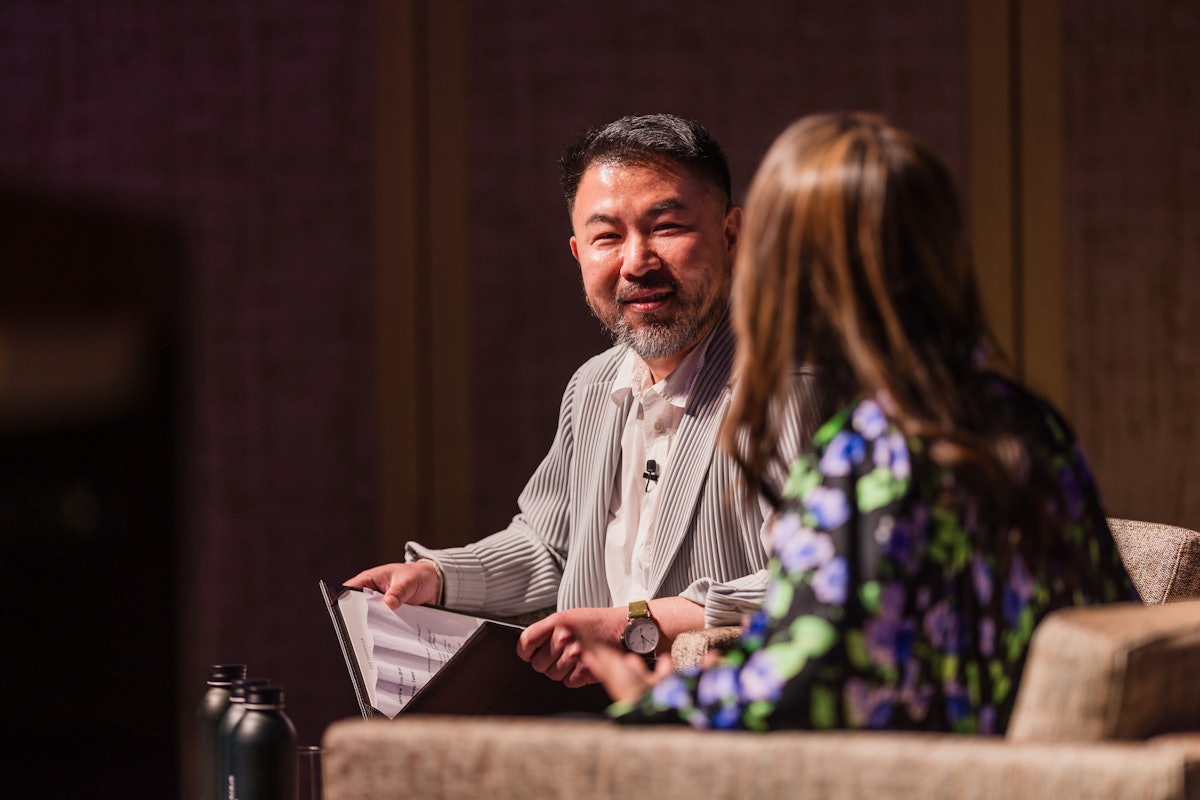
As Xuan Wang, Managing Partner at TONG Global, explains, “The influence is not from West to East anymore. It's become more circular, and those conversations are not happening in the headquarters of the fashion or luxury houses; they happen among the consumers, among the creators." After all, one need only look at phenomena like Labubu, Squid Game, and K-Beauty to understand how prevalent Eastern aesthetics and preferences are becoming in Western culture – and how collaborating with home-grown brands or content creators could reap huge rewards for British luxury brands not just in the region, but globally.
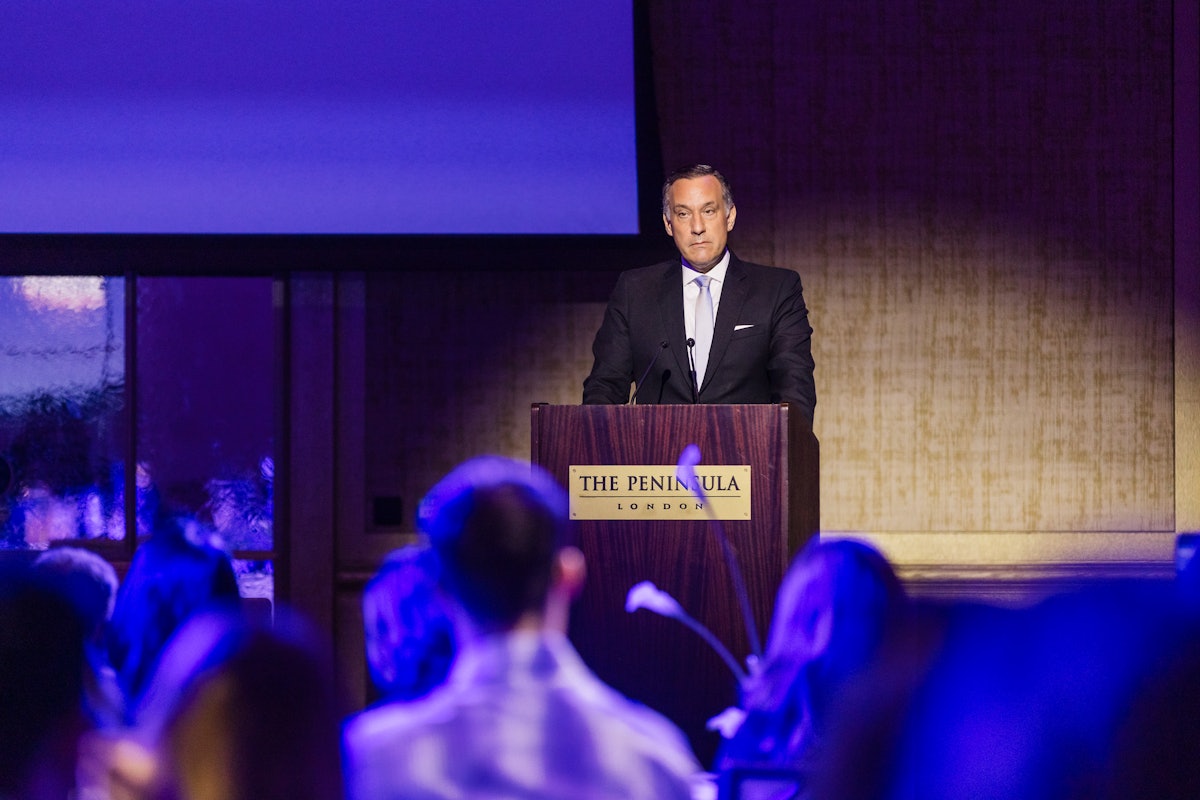
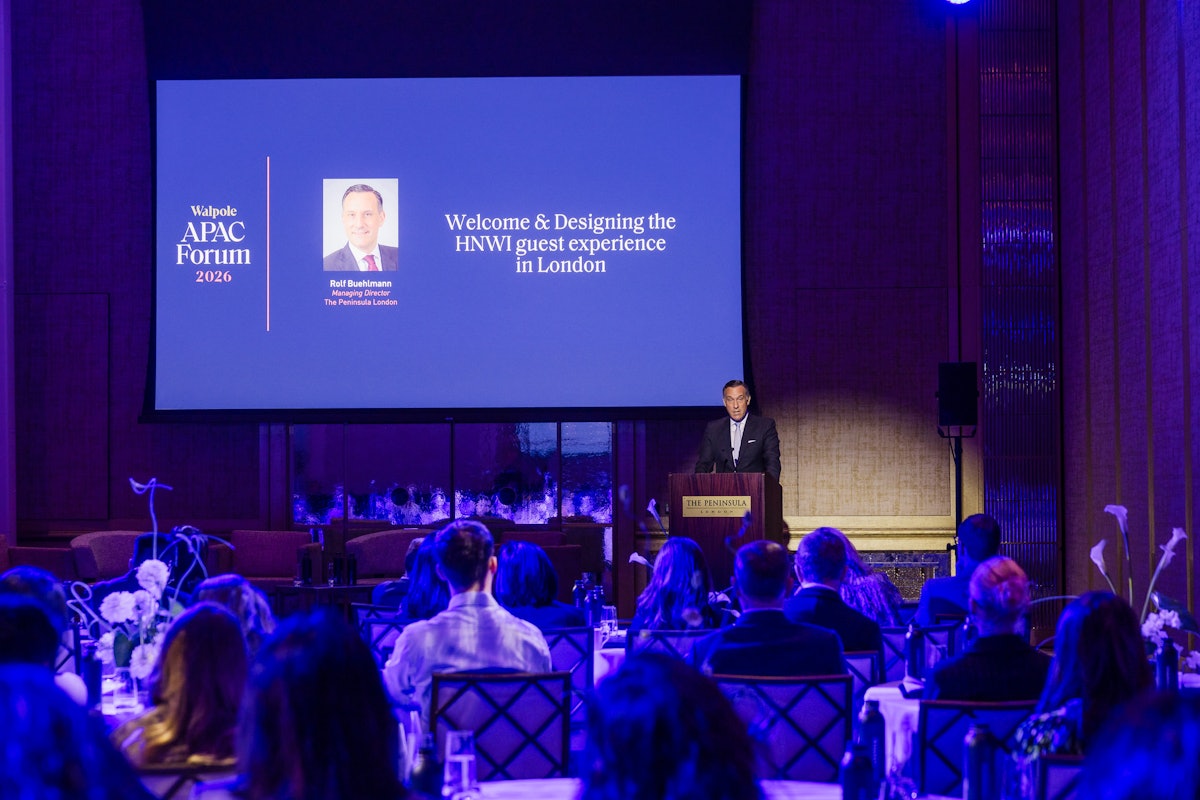
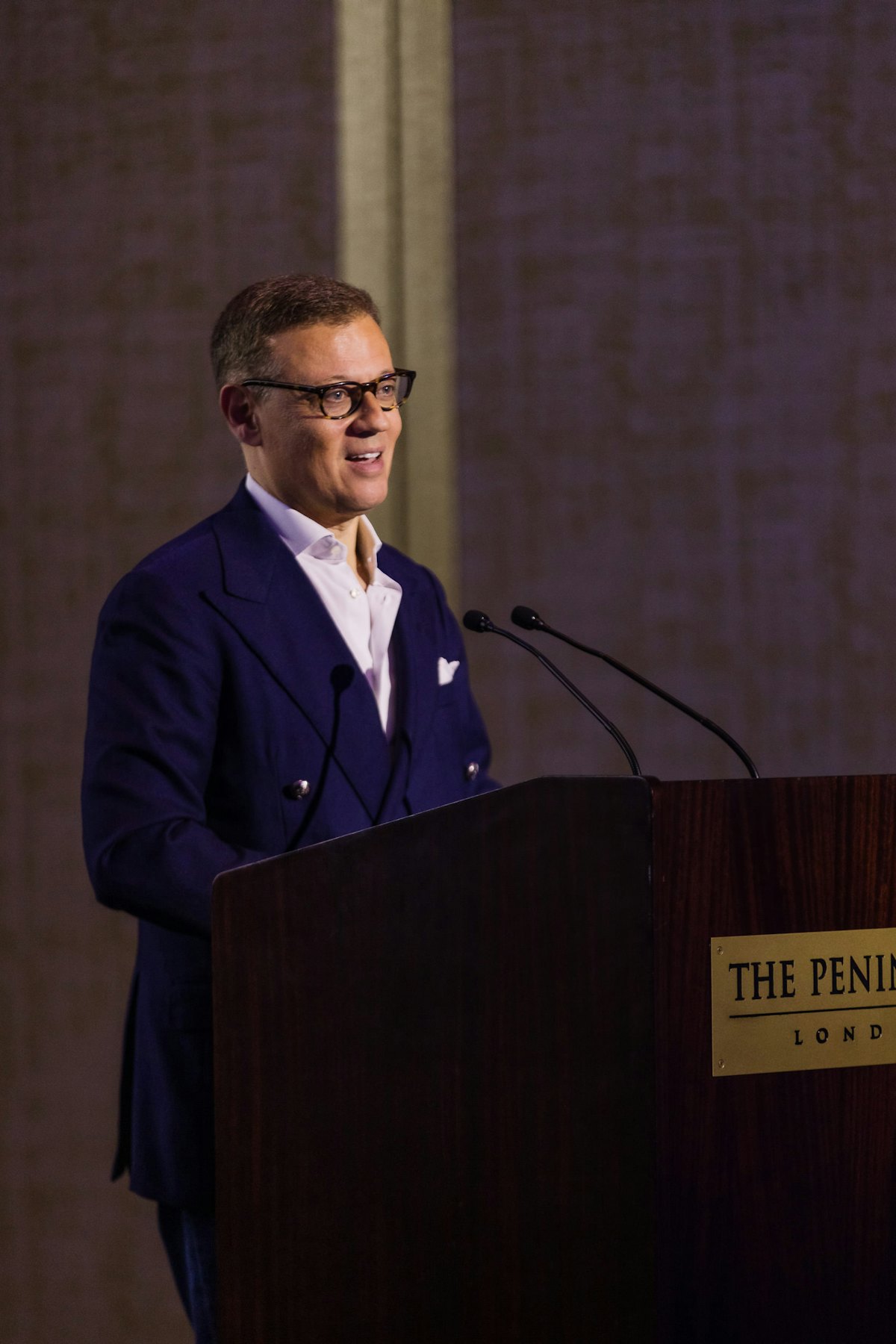
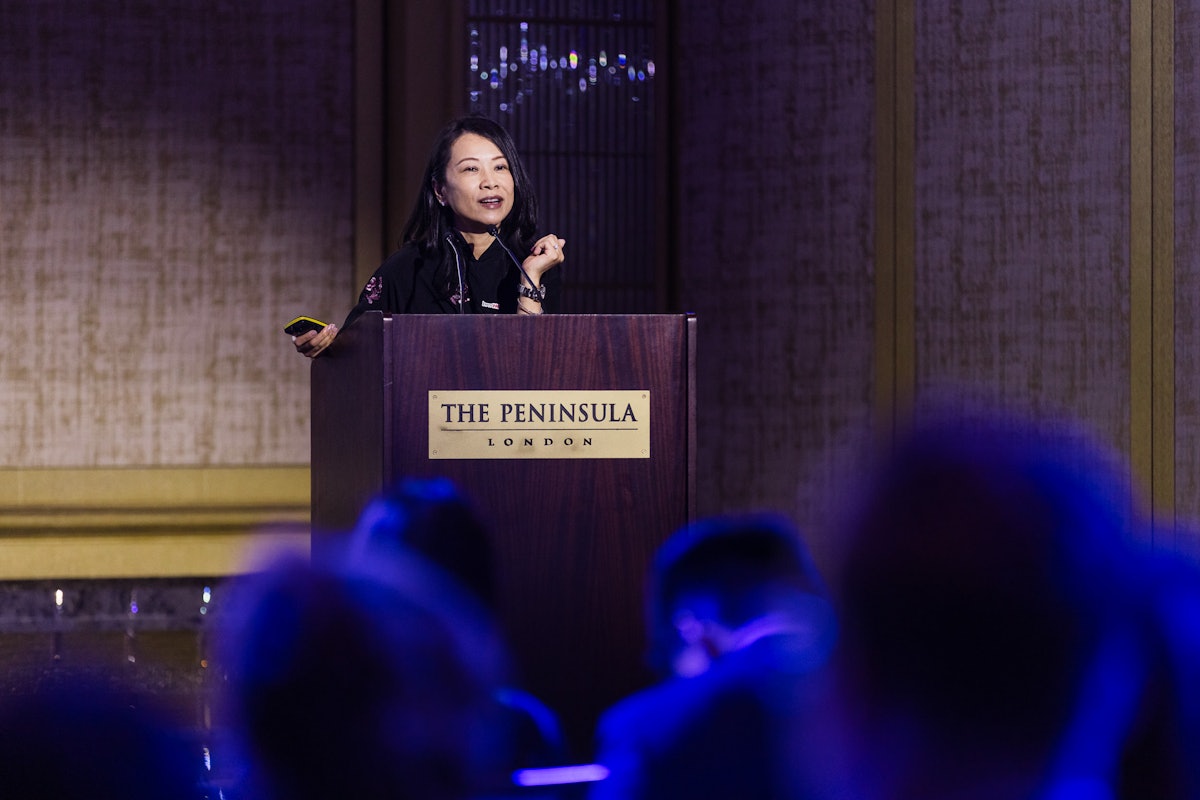
As Rolf Buehlmann, Managing Director at The Peninsula London, reminded us, “We have a lot more in common than what separates us. The UK and Asia share many values that often get unrecognised; respect for tradition and heritage, appreciation of craftsmanship and quality, courtesy and consideration for others, and, of course, a shared love for tea."
Understanding where, and why, luxury shoppers are travelling remains imperative
While APAC customers currently represent 35% of global luxury spend, 45% of this shopping is done outside the region. As a cohort with the means to travel anywhere in the world, understanding where and why they choose to travel is valuable insight. Globally, France remains a key European market for those travelling to buy luxury goods, while in the APAC region, Japan, Korea and Singapore are the three key destinations for shopping as highlighted by Jacques Stern, Senior Advisor for payment processing company Shift4, and Former President and CEO of Global Blue. Echoing the strength of inter-regional traveler spend, Agility Research and Strategy’s Reid-Montanaro gave a warning: “The traditional bread and butter for Europe, Asian high-net-worth individuals, are more and more finding what they are looking for in terms of assortment and service quality close to home."
While exchange rates continue to be a significant determinator for travel and choice of destination, with Japan and South Korean both having seen a boom in Chinese traveler spend spurred by foreign exchange rates, motivations for travel are changing with many UHNWs now also seeing the luxury travel experience as intrinsic to their trip as shopping. Agility Research & Strategy highlighted that 40% of UHNWs expect to spend significantly more on travel and experiences in the next 12 months, echoing this shift.
Hong Kong is positioning itself as global centre for experiential luxury
It would be an understatement to say Hong Kong has big plans. Having already cemented its place as an economic hub (recently surpassing Switzerland as the world’s biggest cross-border wealth centre, attracting more than 3,300 private family offices) and making itself a business-friendly destination, Hong Kong now it has its sights set on becoming a must-visit for UHNW consumers, both at home and abroad.
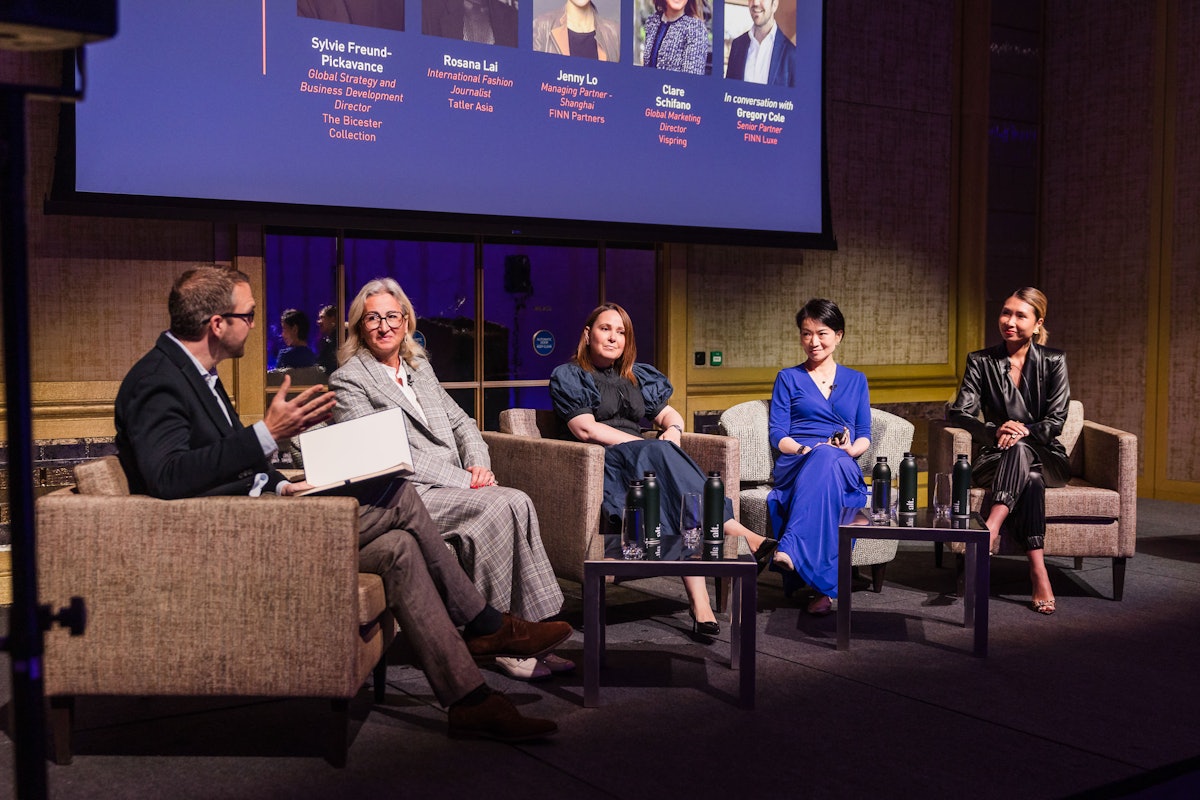
"The Hong Kong consumer has always been extremely sophisticated, very well travelled, very well versed in luxury," ," said Rosana Lai, Contributing Editor at Tatler Asia. "But also, I think the tastes are maybe some of the most European-leaning compared to other Asian cities, and that has made it a really great testing ground for a lot of brands."
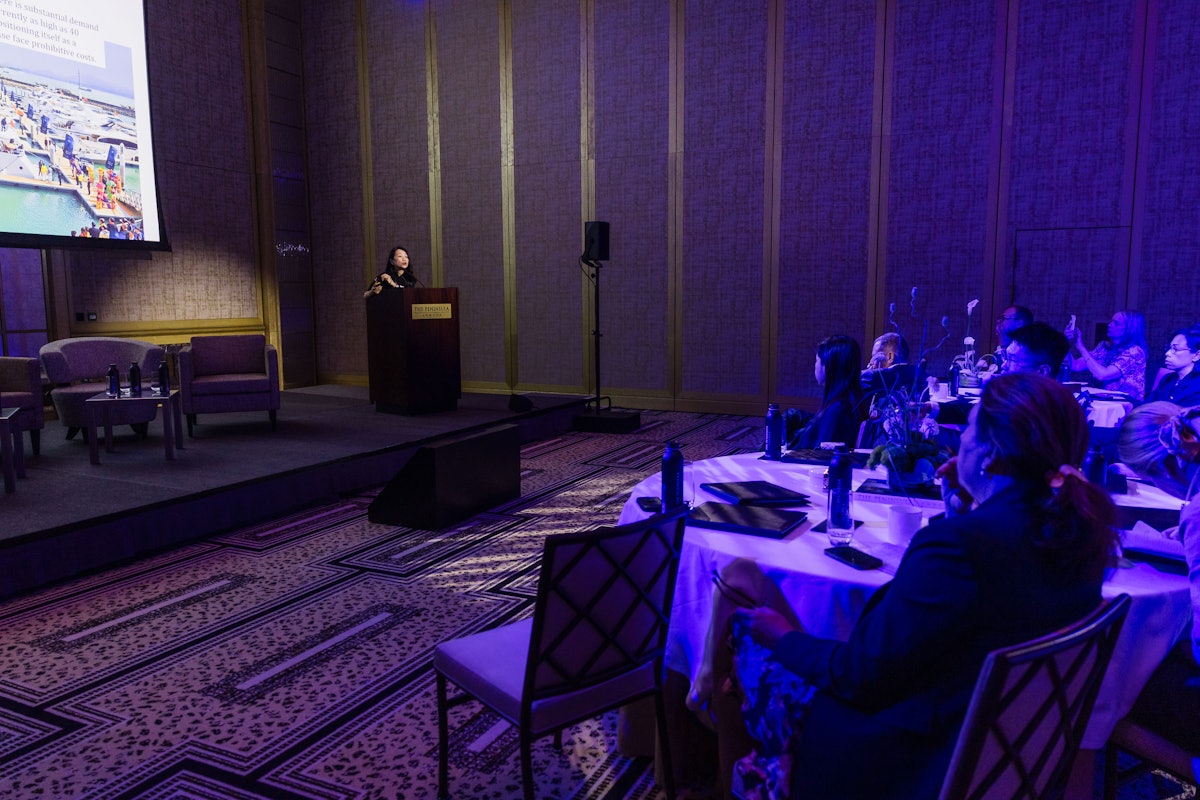
To meet the expectations of this discerning group, explained Sindy Wong, Head of Consumer and Hospitality at Invest Hong Kong, the country is investing in two major developments: SkyCity and Central Yards, transforming the airport and Central Waterfront. Between them boasting a huge food market, hotels and resorts, revamped boutiques and a 500-berth marina designed for APAC’s growing population of yacht owners, as well as specialist art storage warehouses, Hong Kong’s 50 million annual tourists are set to have much to plan a return visit for.
Southeast Asia represents an exciting growth opportunity
"Southeast Asia is probably the most exciting part of the world in terms of growth." It’s a bold statement from Mario Ortelli, but one wholeheartedly backed up by the stats. With the number of HNW individuals in the region set to grow by 45%, a cohort with a big appetite for travel, with Indonesia and Thailand already counting among The Bicester Collection’s most important markets, this represents a huge opportunity both for those already with a presence in Southeast Asia and those hoping to capture this new wave of wealth.
For more information about Walpole's work in the APAC region, please email [email protected]