For a man who studied natural sciences at Cambridge University, and then worked with tools at Black & Decker, Alistair Tusting (pictured below) is surprisingly emotional when it comes to talking about luggage. “A relationship with a bag is a lovely thing,” says the 57-year-old, with warmth coursing through his voice. “It’s something that’s been by your side, seen adventures with you – and might have been with your parents and grandparents too. I still have my grandparents’ suitcases, and I could never give them away. They’re part of who I am.”
As the CEO of Tusting – the British leather company that has been in the same family since the 1870s – Alistair also understands the relationships that are built through the making and the owning of bags. The parents of eight of the 27 staff at his Buckinghamshire factory worked for Tusting too, as did a few of their grandparents. And many of his customers’ families have owned products from their original tannery. “So there are lots of people out there whose stories are interwoven with our own,” he says.
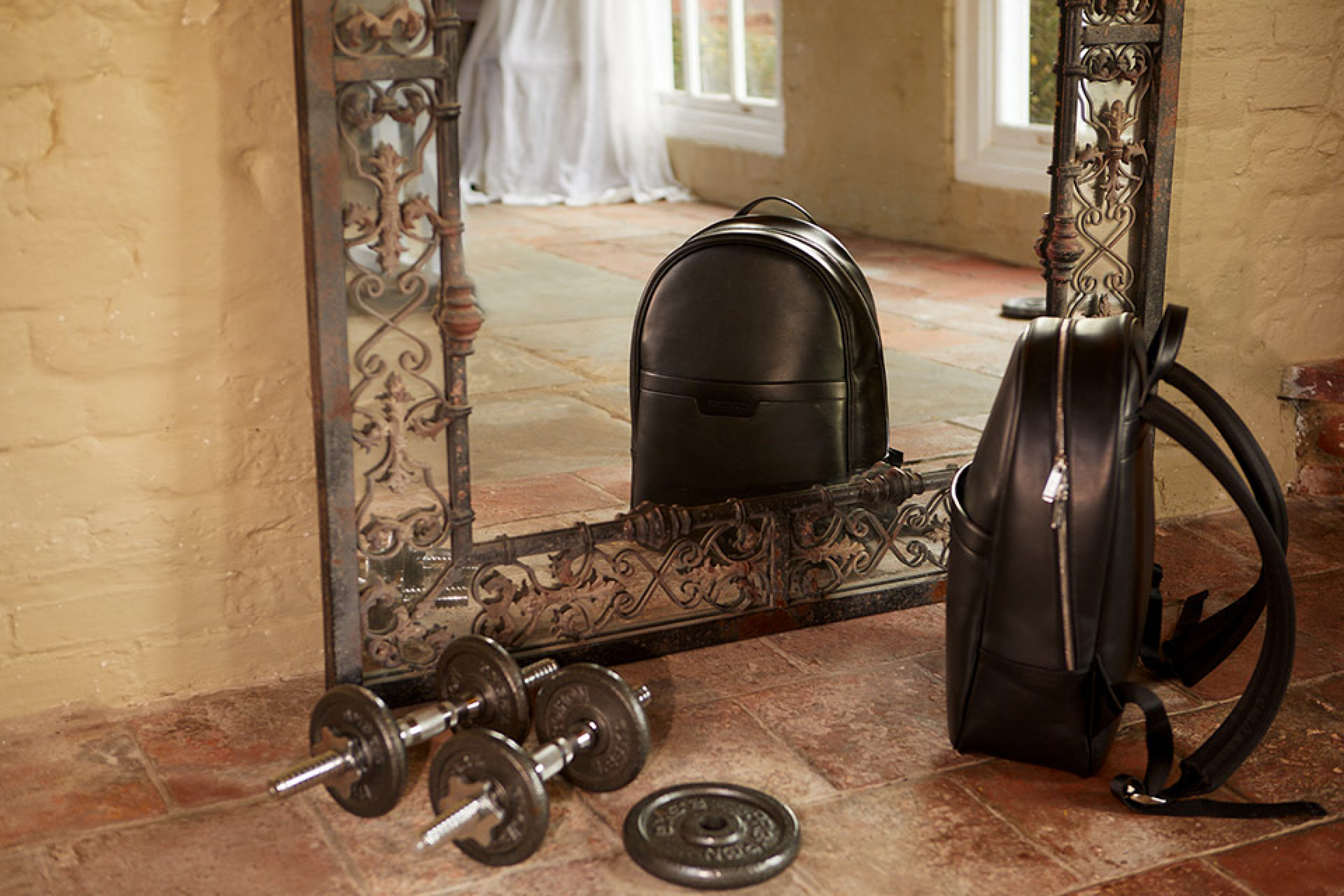
The business Alistair runs is very different from those of his forebears, however. Gone is the tannery – falling leather prices in the 1970s and a surge in Asian businesses made running a low-return business with 100 staff “unrealistic”, he says. In its place is a modern British luxury luggage-maker which produces bags not only for a local market, but internationally. Annually they sell around 10,000 items: primarily to the USA, Japan and China, ranging from £25 cable ties to luxury weekend bags costing more than £1,000. One of their key selling points is their Britishness, he says. “We’ve been here for a while, and people trust us.”
A second is the fact every bag is hand made, then hand-buffed and polished at the end. And a third is that, should anything go wrong with a product, they’ll fix it. “We will always commit to the standard we promised when someone buys something – even if that was 25 years ago,” he says. “Yes, it costs us money. But it also reinvigorates old friendships, and people cherish that. So it’s worth it.”
Because generations of Tustings have established relationships with leather-factories around the world, from the UK and Turkey to Spain and Asia, the quality of the leather they buy is assured, he adds – which is why other businesses often come to them for help. Aston Martin, for instance, gets Tusting to make luggage for its cars. Ralph Lauren and Church’s have collaborated, as have Charlotte Elizabeth and, most recently, India Hicks.
Only leather from tanneries considered gold-standard by the Leather Working Group is used, he insists. Some is vegetable tanned, some is chrome-tanned, but all derive from factories that minimise waste: of water, of chemicals and of power. Plus, every piece is made from cow-hide that’s a by-product of the meat industry. “That’s very important to us: to use leather that would otherwise go into landfill,” he says. If they do use man-made fibres, he asserts, they’re as ecologically friendly as possible; their most contemporary lightweight range features recycled poly-nylon cloth.
What does he say to those who believe leather is bad for the environment, and that man-made leather is better? “Often vegan leathers are made from oil – and that has consequences,” he says. “Plus, you aren’t going to stop animals being eaten by wearing vegan shoes. It’s far better to upcycle what you can and prevent it going to landfill. Besides, some animals are using land that can’t be used elsewhere: permanent pasture that can’t be used for crops, but is good for absorbing carbon. So it’s complicated.
“What we are doing is making the best of a natural product that would have been discarded – and creating the most beautiful things we can from it, by hand in Britain, with love.”
tusting.co.uk