Embedding inclusion into business strategy
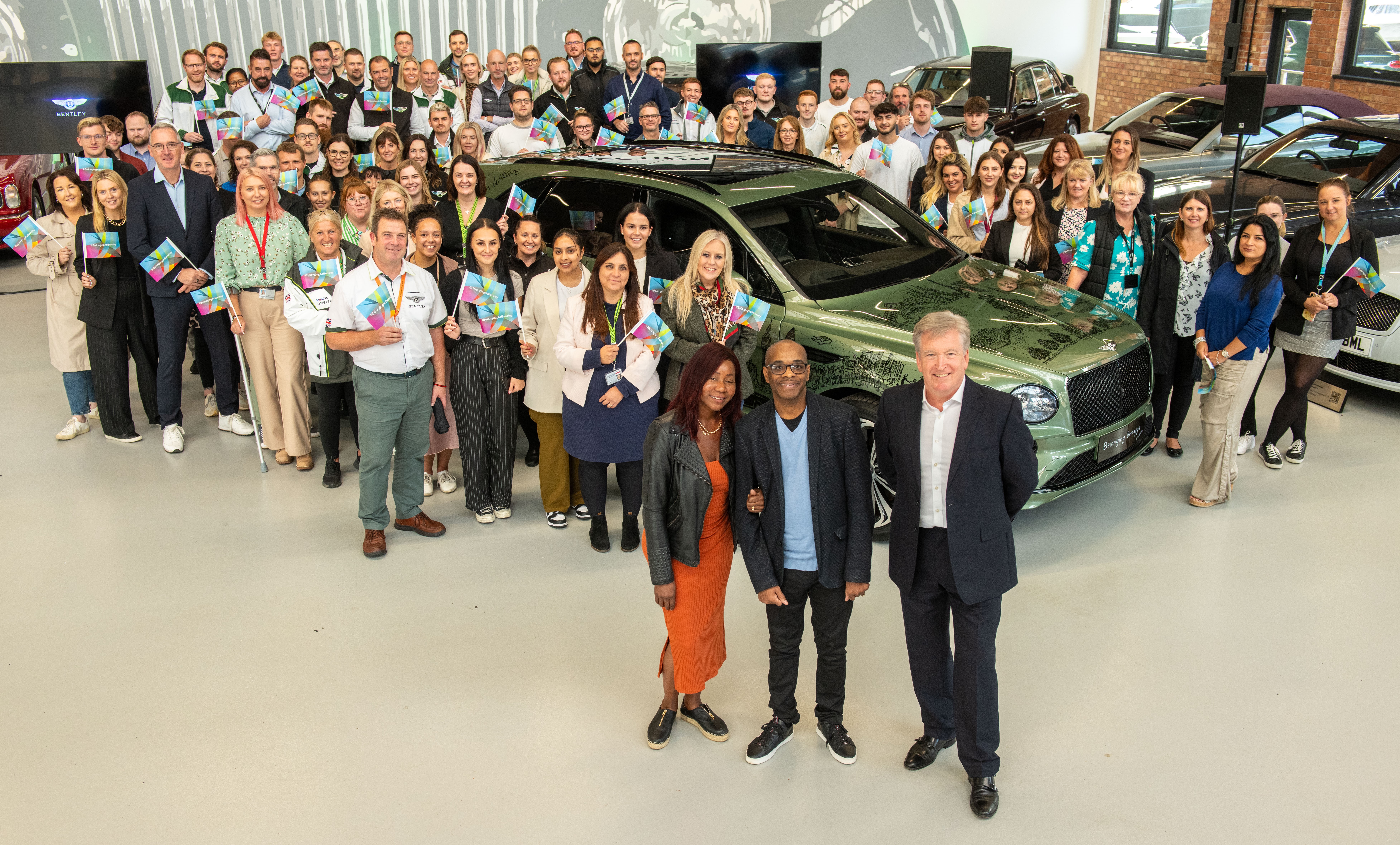
In the auto sector, Bentley is on a journey to become the most diverse luxury car manufacturer in the world – where belonging isn’t just a value, but a lived experience. Through its BelongingAtBentley initiative, the company is embedding Diversity, Equity, Inclusion, and Belonging (DEIB) into every layer of its organisation.
As part of the Beyond100+ strategy, Bentley has set clear targets to increase diversity in leadership roles by 2030. Through five thriving colleague-led DEI networks – consisting of over 750 colleagues – Bentley is actively shaping policies and culture through the principles of “inform, include, and improve”. Through these networks – BeReady, BeAccessible, BeUnited, BeProud and BeInspired - the company addresses growth opportunities in health, wellbeing, removing barriers for colleagues with disabilities and advancing gender equality, among others. These networks ensure that inclusion is not a side initiative, but an integral part of the business strategy. And they’re yielding encouraging results: from 2022 to Q3 2025, women in senior management roles rose from 16% to 20.8%.
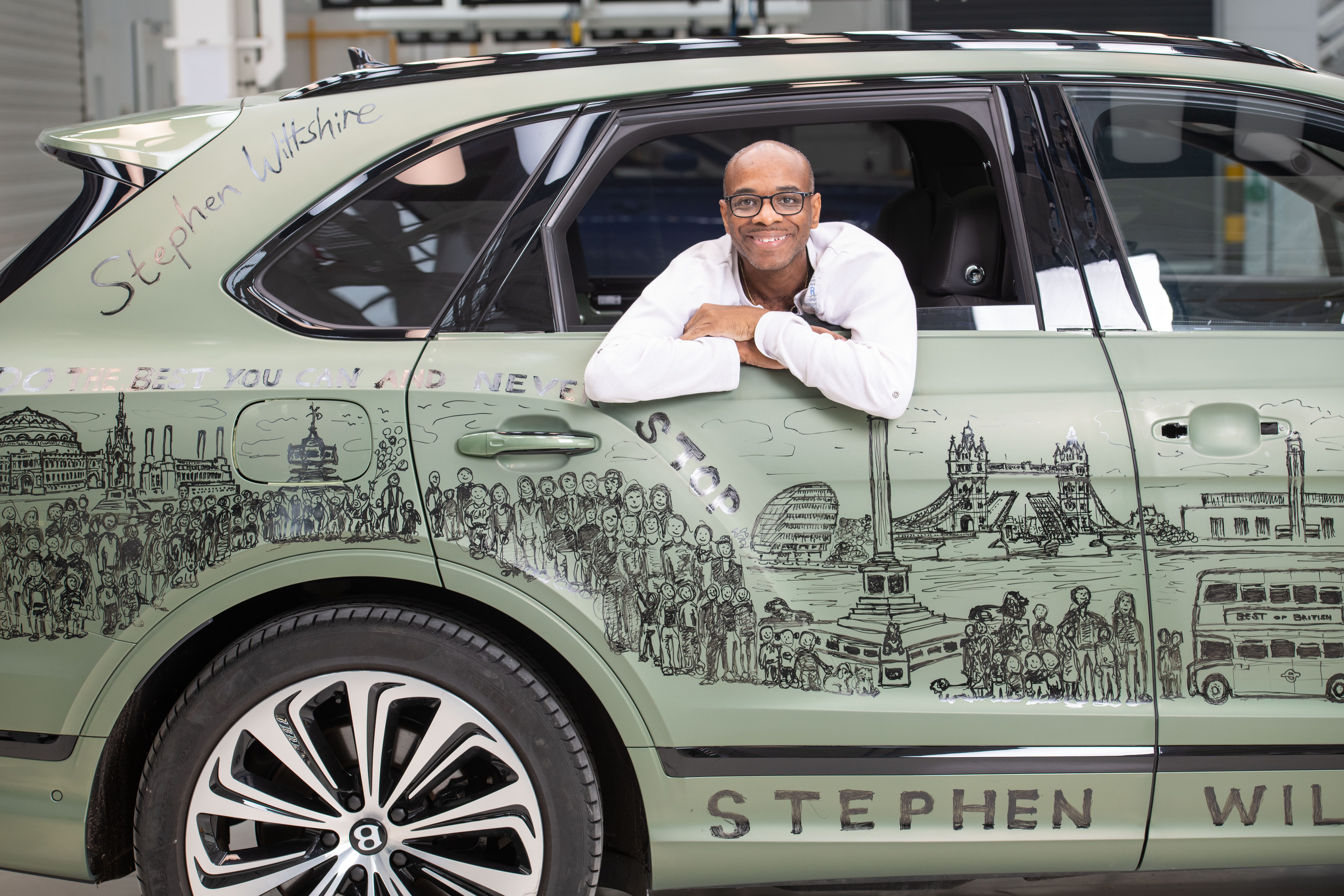
Reflecting a workforce spanning 59 nationalities, the company has also shared its philosophy of #BelongingAtBentley externally: in celebration of its commitment to diversity and inclusion, Bentley unveiled the Belonging Bentayga art piece during National Inclusion Week 2023. Hand-painted by Stephen Wiltshire MBE on an Alpine Green Bentayga Hybrid, the work features 29 landmarks from around the world, with each side of the car representing a different continent.
Together, these initiatives not only safeguard equal opportunities but also foster an environment where every employee feels valued, respected, and empowered to bring their authentic selves to work.
Shining a light on the changemakers
The media also have their part to play. OutThere, a luxury and experiential travel media brand – and Walpole Member – was created predominantly with diversity and inclusion in mind, filling a much-needed gap in tourism storytelling. As such, inclusive practices are core to its operating model.
"While progress has been made in recent years, the bar for diverse representation in luxury travel remains low – from storytelling and marketing, to day-to-day operations,” says Uwern Jong, OutThere’s co-Founder and Experientialist®-in-Chief.
"This often leaves many affluent travellers from underrepresented backgrounds feeling overlooked. This gap persists largely because the industry still lacks the awareness of just how essential true, and non-performative inclusivity is. This is a change that can only really be driven from within and from a genuine understanding of the lived experience of diverse communities. And although the travel sector is one of the most diverse in terms of its workforce, that inclusivity rarely extends to the C-suite, where representation is still lacking. Our own research shows that 62% of employees in hospitality and tourism feel that there is far more that needs to be done when it comes to levelling the playing field in their companies."
Building on these findings, OutThere sought to catalyse industry-wide action. In 2024, the brand launched its landmark, annual Icons of Inclusion thought-leadership event, designed to highlight practical steps that tourism and luxury travel leaders can take to deliver more equitable, representative, intersectional and intercultural narratives in storytelling, sales, marketing and operations.
This outward focus was matched by action at the community level. The same year, OutThere’s Experientialist®-in-Chief and Walpole Power List 2025 honouree Jong raised £15,000 for tourism-related, community-driven charities and not-for-profits through their Experientialist Awards programme, which champions purpose, representation and inclusion in tourism. The two main prize winners were initiatives that trained underprivileged youth in Indonesia and Nepal respectively, to rise through the ranks in hospitality.
These initiatives prove the power of inclusion in shaping culture and opportunity. But its impact doesn’t stop there: diversity is also an economic driver, shaping competitiveness, productivity and long-term business resilience.

.jpg)