I got to know British fashion from afar. I was an editorial assistant in post-9/11 New York, working for an American women’s magazine known for its spirited voice and wonderfully weird approach to style and beauty. This was a time when the publishing, fashion and beauty industries were scrambling to refind their feet in an uncertain economy. My editor encouraged junior members of staff to read the British mags, describing them as cooler and more irreverent than their American, glossy counterparts.
I’d regularly buy copies of British ELLE, Vogue and Harper’s Bazaar, as well as The Face and i-D – with the odd copy of The World of Interiors mixed in when I could get hold of it – and pore over the features, cover stories and shoots. Imagine my excitement when I eventually moved to London for an editorial role. I brought with me a shopping list of the pieces by British brands I couldn’t find at the go-to retail mecca Barneys New York. My gateway purchase: a pair of black Vivienne Westwood pirate boots, bound by brown leather buckles, from Liberty. That set me off on a course that stretched and wound its way through the 2010s, in search of the perfect Burberry trench, Paul Smith tailoring, Phoebe Philo anything, an Mulberry Alexa Bag, a Kate Moss for Topshop slip dress – things that seemed quintessentially British to me.
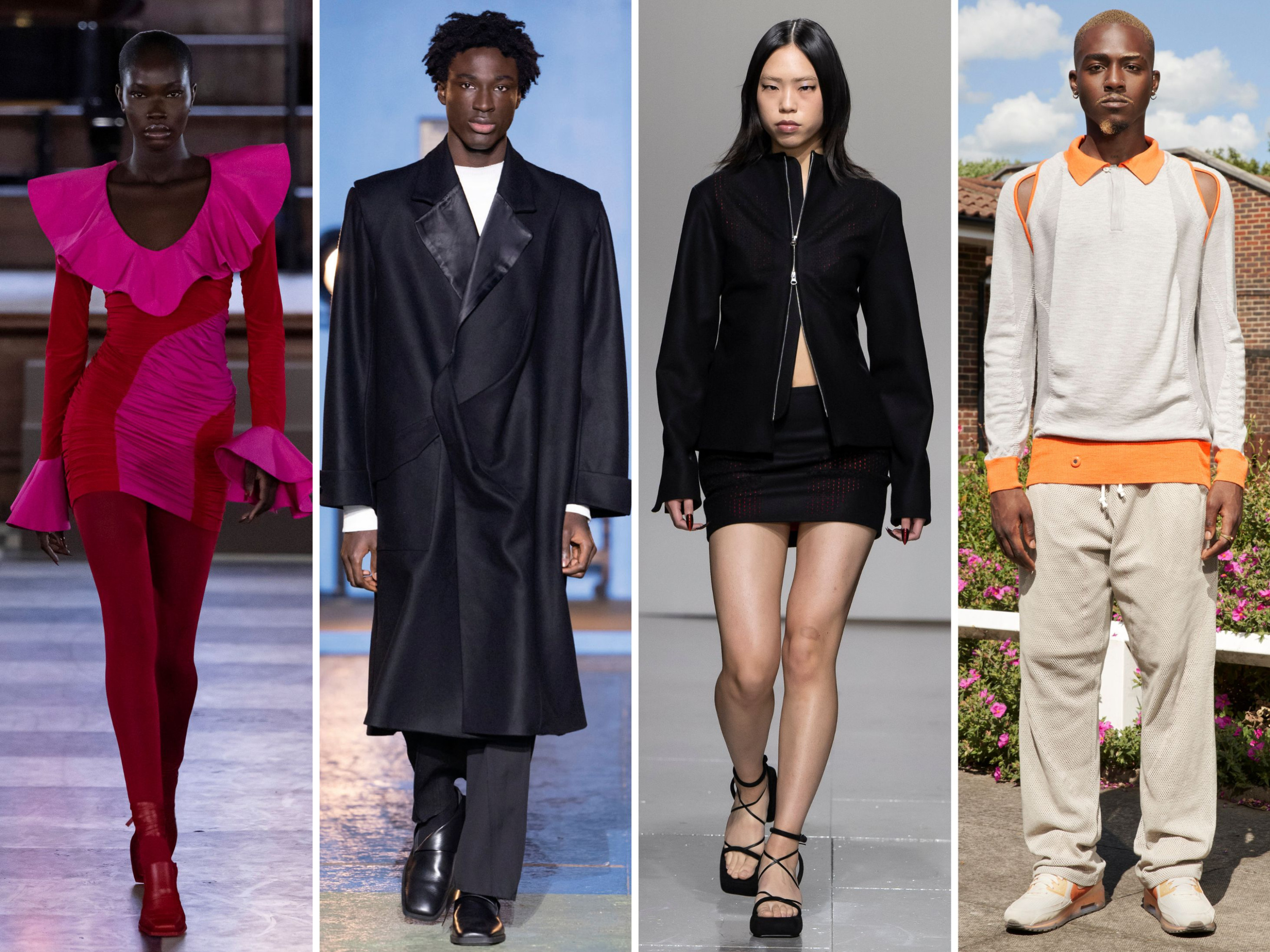
As my knowledge grew, my shopping list expanded to accommodate a voluminous Simone Rocha coat the colour of candy floss, a Christopher Kane mini-skirt in acid green leather lace, a floral Preen by Thornton Bregazzi tea dress, and a white cotton Boudicca Wode dress with an accompanying can of perfumed spray paint in cobalt blue (white being the perfect canvas on which to spray the blue fragrance).