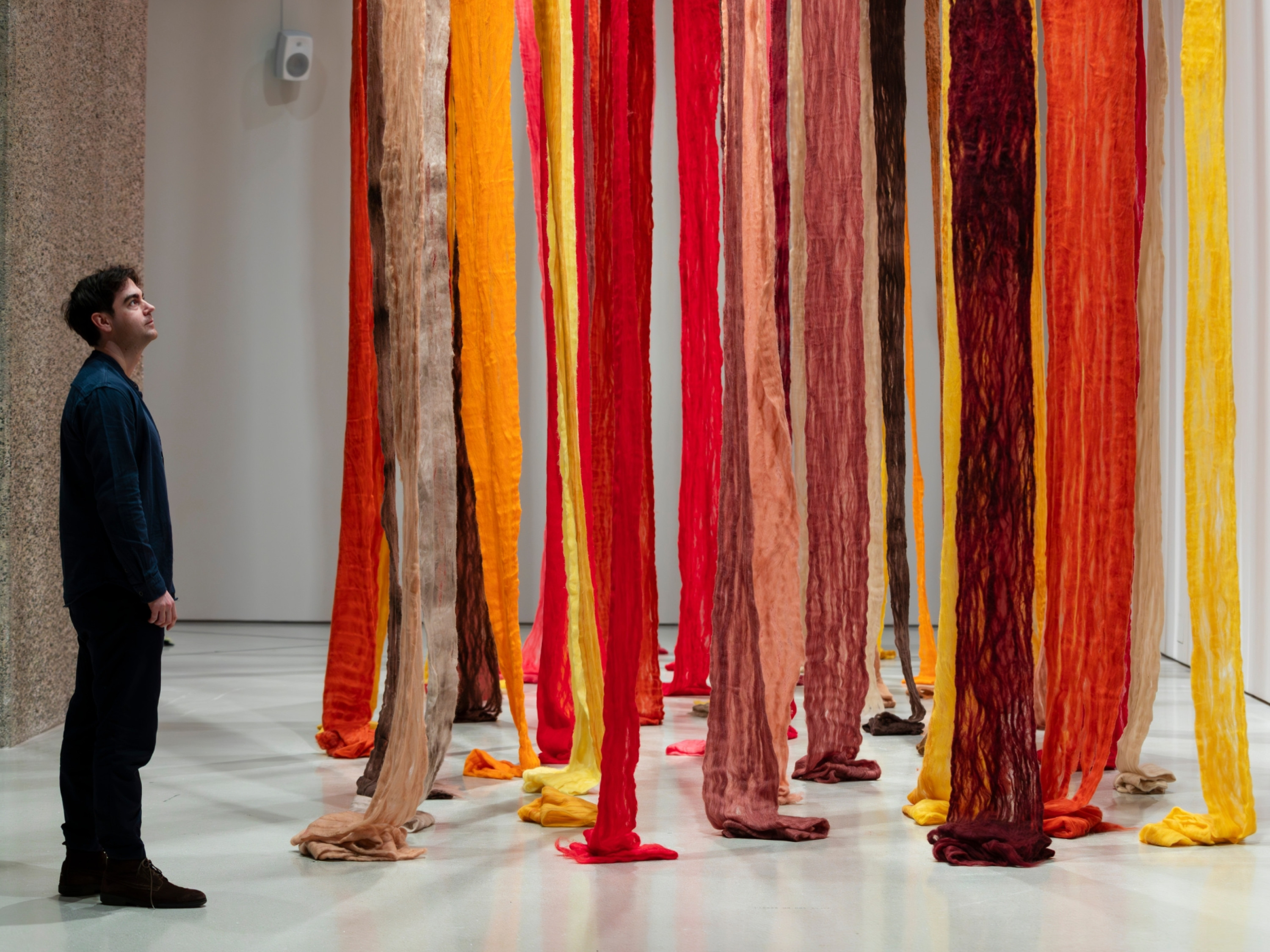
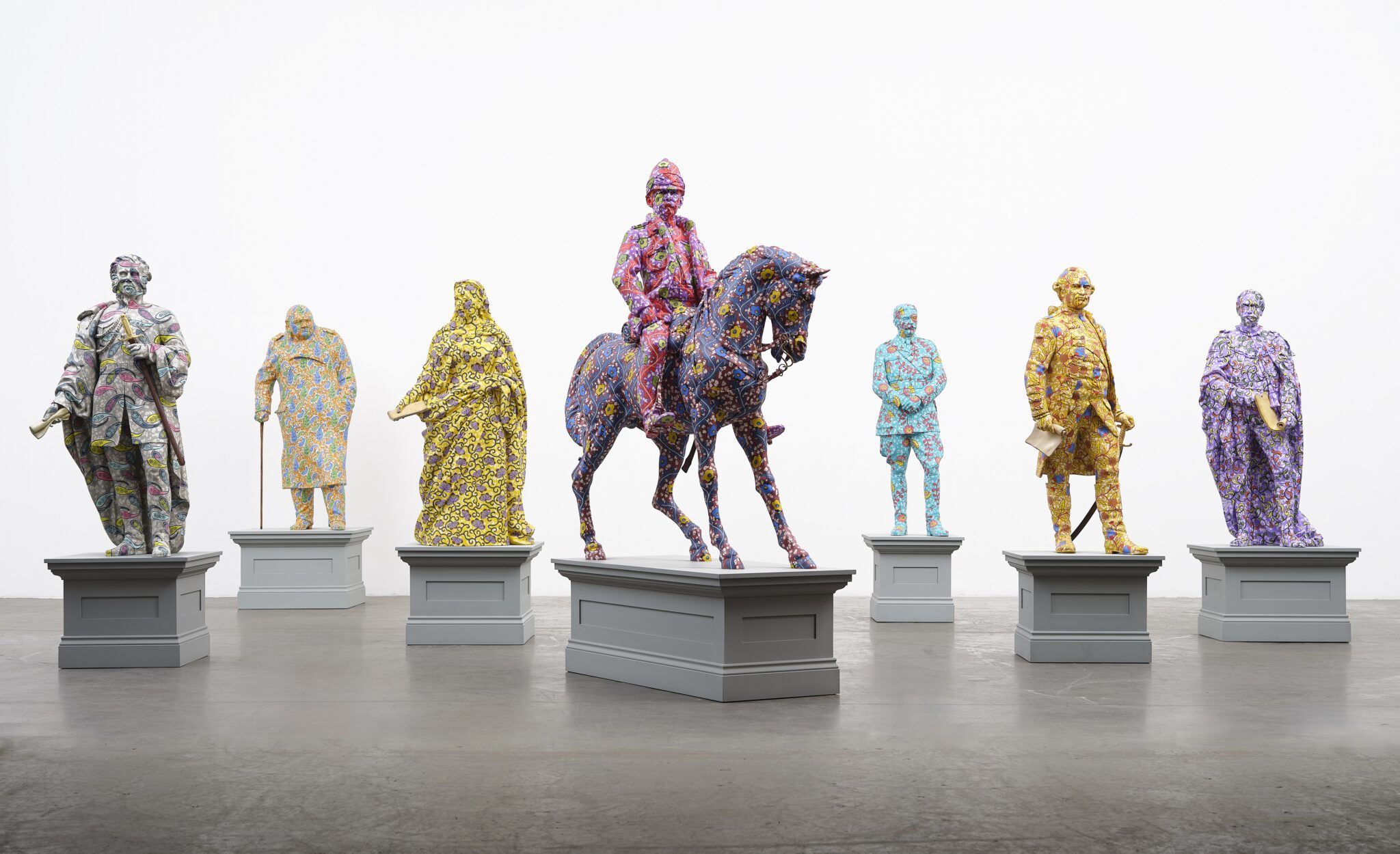
"Art helps us access and express parts of ourselves that are often unavailable to other forms of human interaction. It flies below the radar, delivering nourishment for our soul and returning with stories from the unconscious." So said Grayson Perry, one of Britain’s leading proponents of the power and poignancy of craft, whose subversive tapestry and ceramic works reframe social history and politics. Never has this dialogue been richer than within the craft space. Perry is one of the trailblazing creatives and British treasures who, alongside ceramic artists Edmund de Waal and Magdalene Odundo, have seamlessly oscillated between the art and craft worlds, bringing the latter to the global stage.
But fine art and craft haven’t always been happy bedfellows. Craft was stuck on the sidelines, outside the red rope of the art world until recent years. Our love for craft grew during Covid lockdowns, which saw many of us take up a new skill. In a broken world, suddenly the idea of ‘making’ felt more poignant and the value of human creativity was rebalanced.
We saw a renaissance of the Japanese art of kintsugi — in which broken objects, such as pottery, are literally joined with gold. It was emblematic of how craft can be used to heal the fractures of everyday life and address much wider world issues.
As people have reconnected with the joys of making, craft has become cool to collect. British museums and galleries are taking note, recognising the power of making traditions and everyday materials to tell emotive stories and bind communities together.
-photo-by-jon-stokes---4.jpg)
-photo-by-jon-stokes---5.jpg)
-jemima-yong--barbican-art-gallery.jpg)