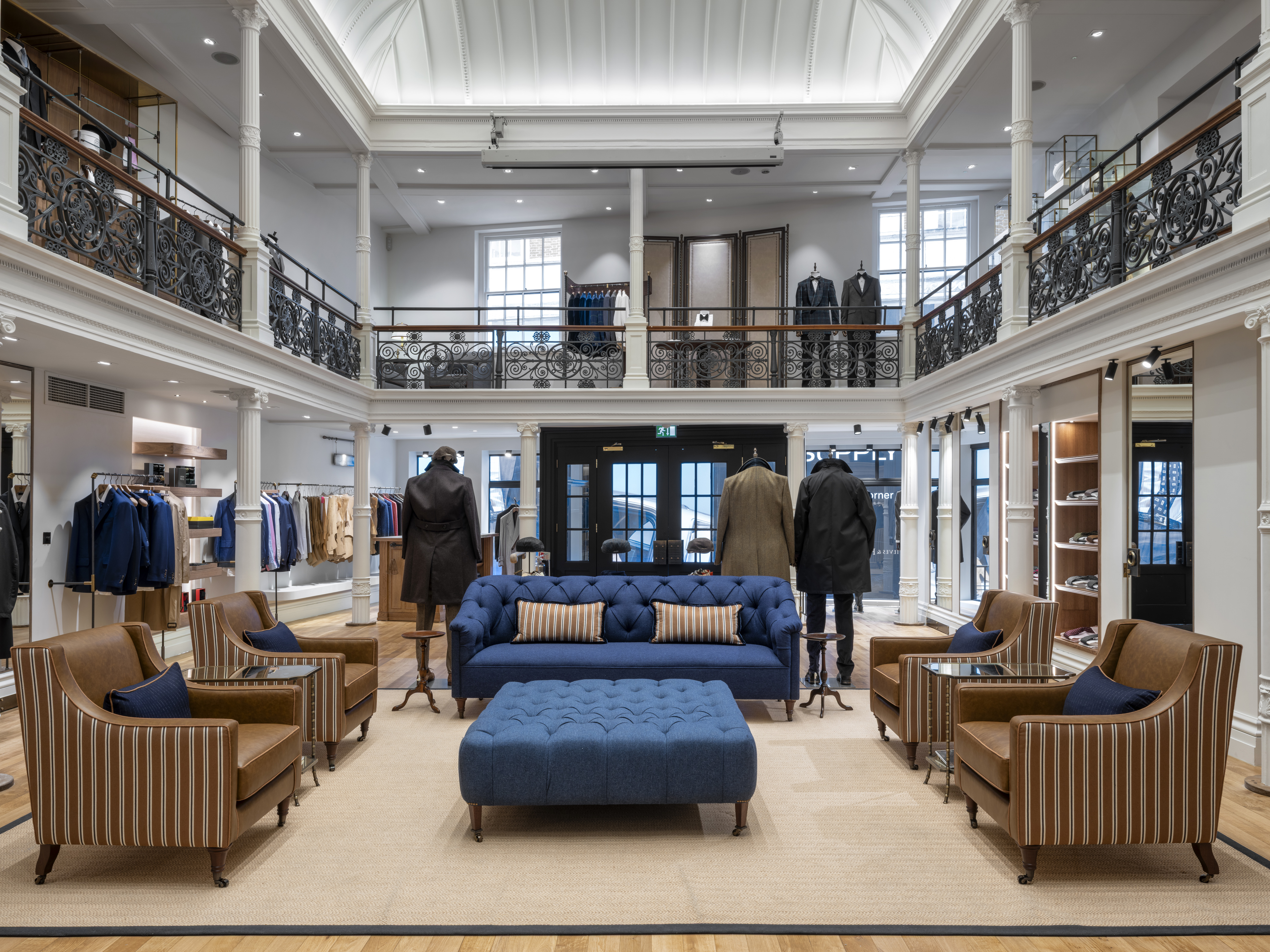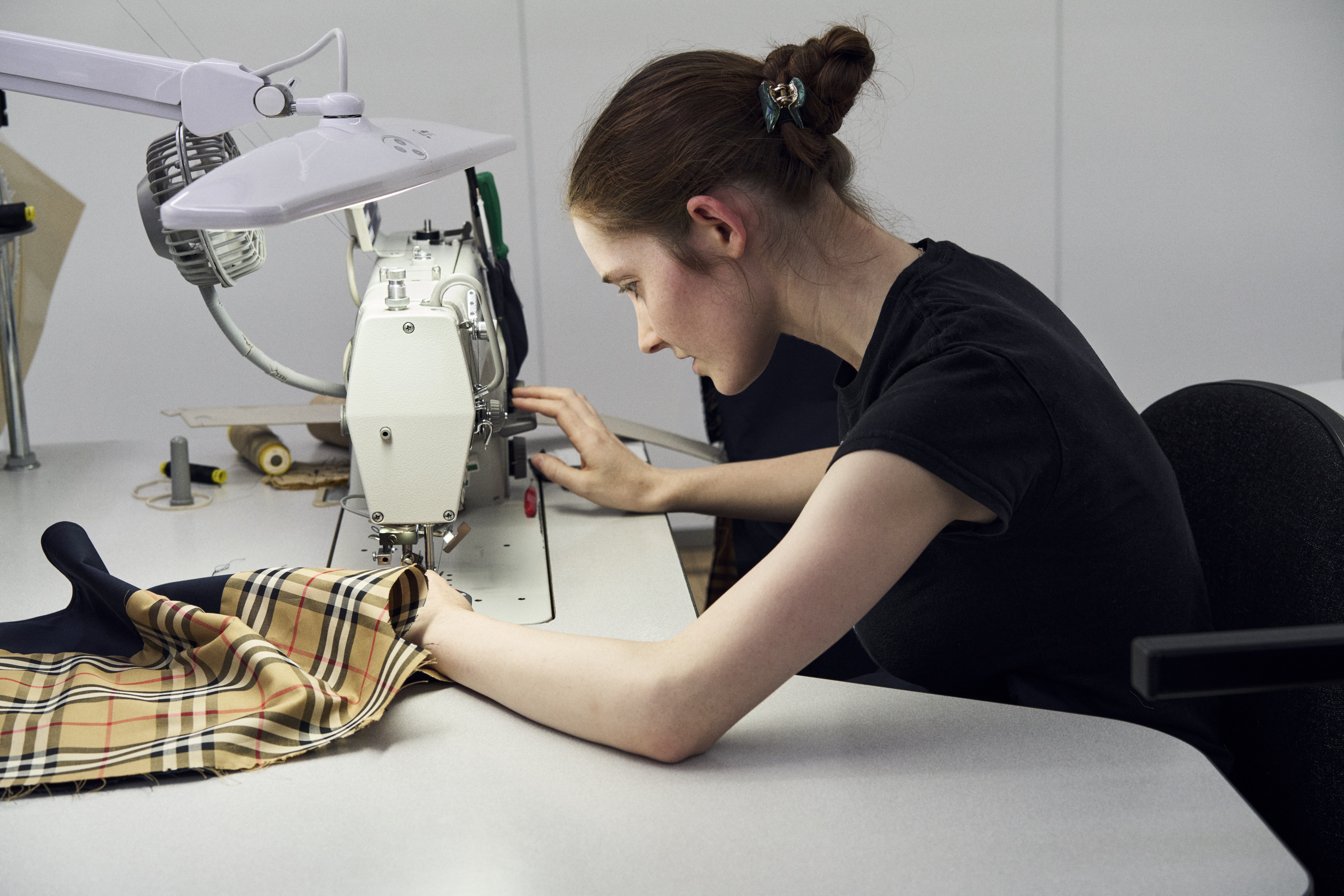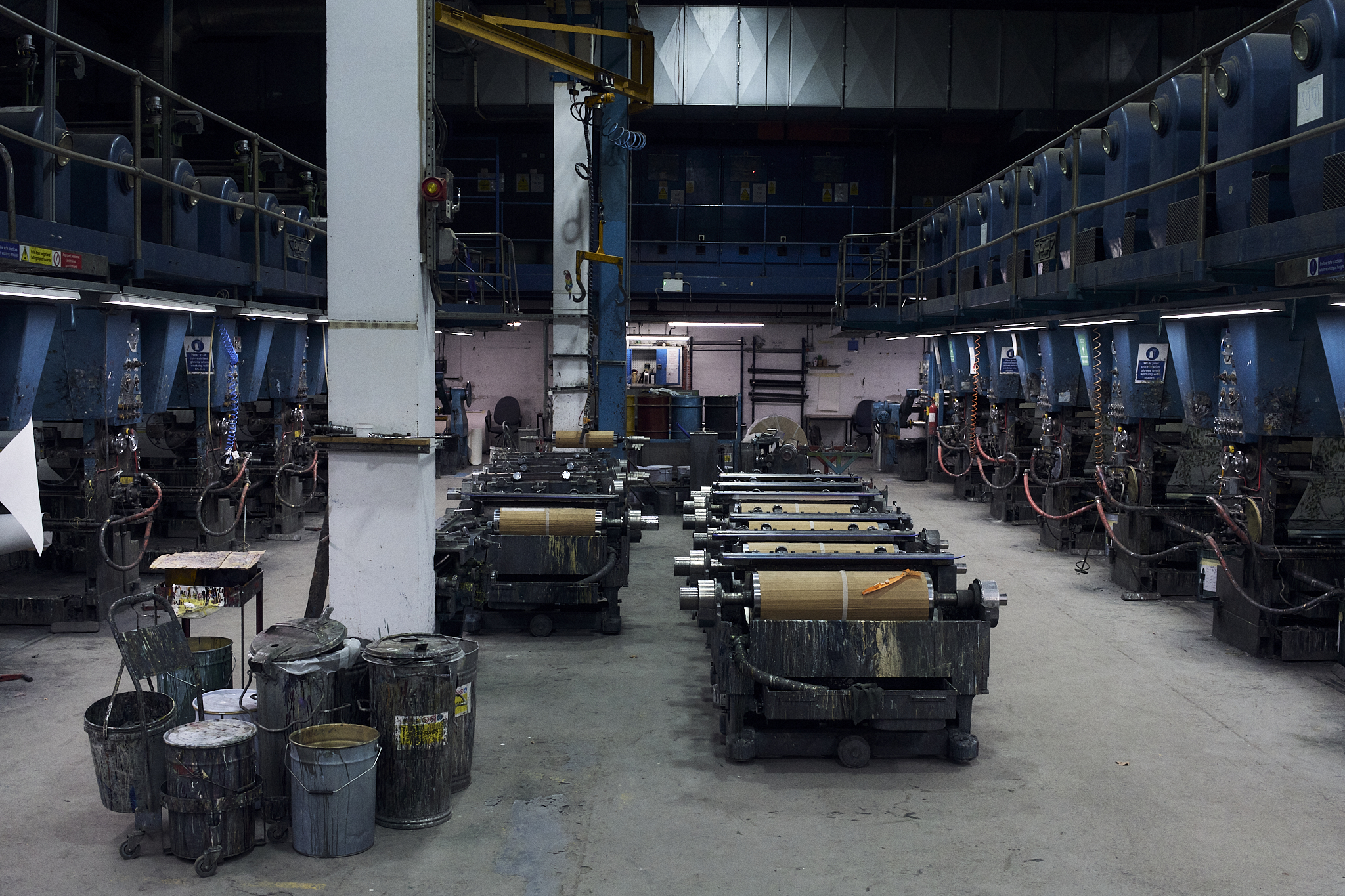
Look in your closet or kitchen cupboard and you might find you have grander tastes than you thought. Whether it’s a crisp poplin-cotton shirt or a piquant table sauce, around 800 companies have the right to bear the ciphers of the Windsor family on their goods, ranging from the echelons of high fashion – including Burberry and Cartier – to essential services, like Jeeves of Belgravia dry cleaners and Milborrow Chimney Sweeps.
While the coat of arms on a Colman’s Mustard jar or Burberry trench could appear to be just another token of endorsement, these Royal Warrants of Appointment are far removed from the money- spinning celebrity collabs churned out by the dozen. There is no financial gain for the grantee of a royal warrant and the companies that hold them bill their royal clientele as they would any other customer; goods or services are not gifted. A royal warrant is perhaps one of the few original stamps of commendation that has to be honestly earned – not bought – in our age of modern consumerism. “In a market where most things are attainable through purchase, the royal warrant is coveted as it is only awarded through the continuous supply of product of an unwavering standard – in both function and production – and must be reapplied for every five years,” says Gerald Bodmer, CEO of Launer, which supplied Queen Elizabeth II with her signature handbags from the 1960s onwards. During the Platinum Jubilee, of course, Launer was immortalised when Her Late Majesty revealed in an endearing skit with Paddington Bear what we all wanted to know – what does she stash in her bag? Marmalade sandwiches, it transpired.
-lock-&-co.-hatters...-.jpg)

-(1).jpg)