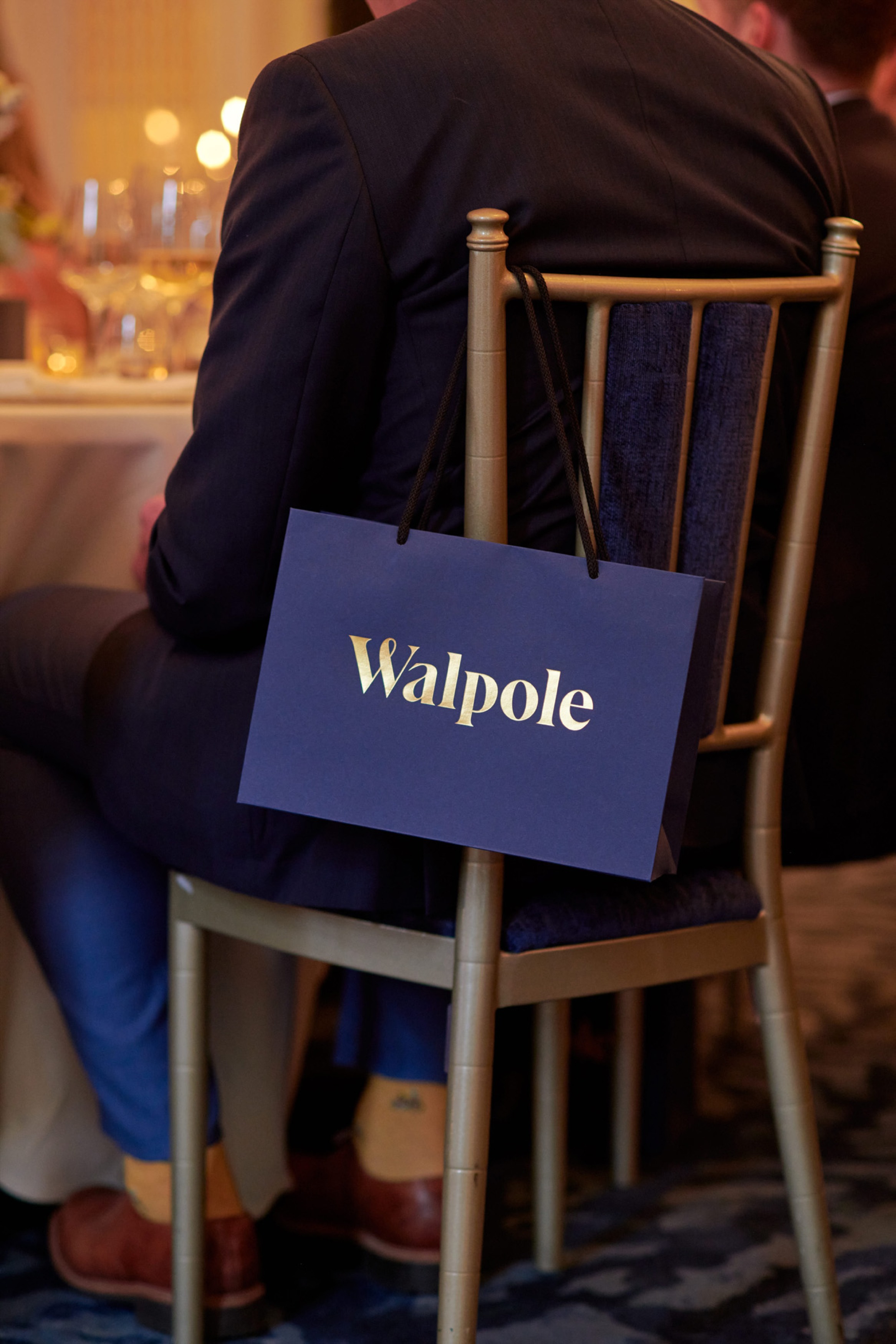
A Walpole bag, designed by IDP, at our recent Chair & CEO Dinner 2024 at Mandarin Oriental Hyde Park, London (photograph by Colin Dack)
Packaging and sustainability is a very active conversation in the luxury sector right now. Where does a brand start when interrogating the sustainability of its packaging?
I’ll tell you the first place brands should look, but first it's important to say that just because we’re talking about the packaging industry, we shouldn’t limit the conversation to packaging. What I mean by this is that brands need to talk about their supply chain – where does their product get fulfilled, where are the materials sourced, and how can we take a holistic approach and find the opportunities to consolidate or eliminate? For example, many brands don’t understand why they use the packaging sizes they use everyday; even packaging resellers don’t understand why they sell the packaging in the sizes they sell. A lot of the standard dimensions we see today come from the days of shoulder pads! These were the sizes made by the machines of the 1970s and 1980s. You could buy retail packaging in any sizes you wanted – as long as it was the four sizes these machines made.
So, with that said, the first place a brand should begin when interrogating the sustainability of their packaging is size. This matters more than you think: it impacts shipping, material sourcing, warehousing, everything. Reduction and elimination is step one. Then we can talk about materials and processes.
How does IDP Direct ensure sustainability in the products it creates – and how can this be seen in the packaging designed for Walpole?
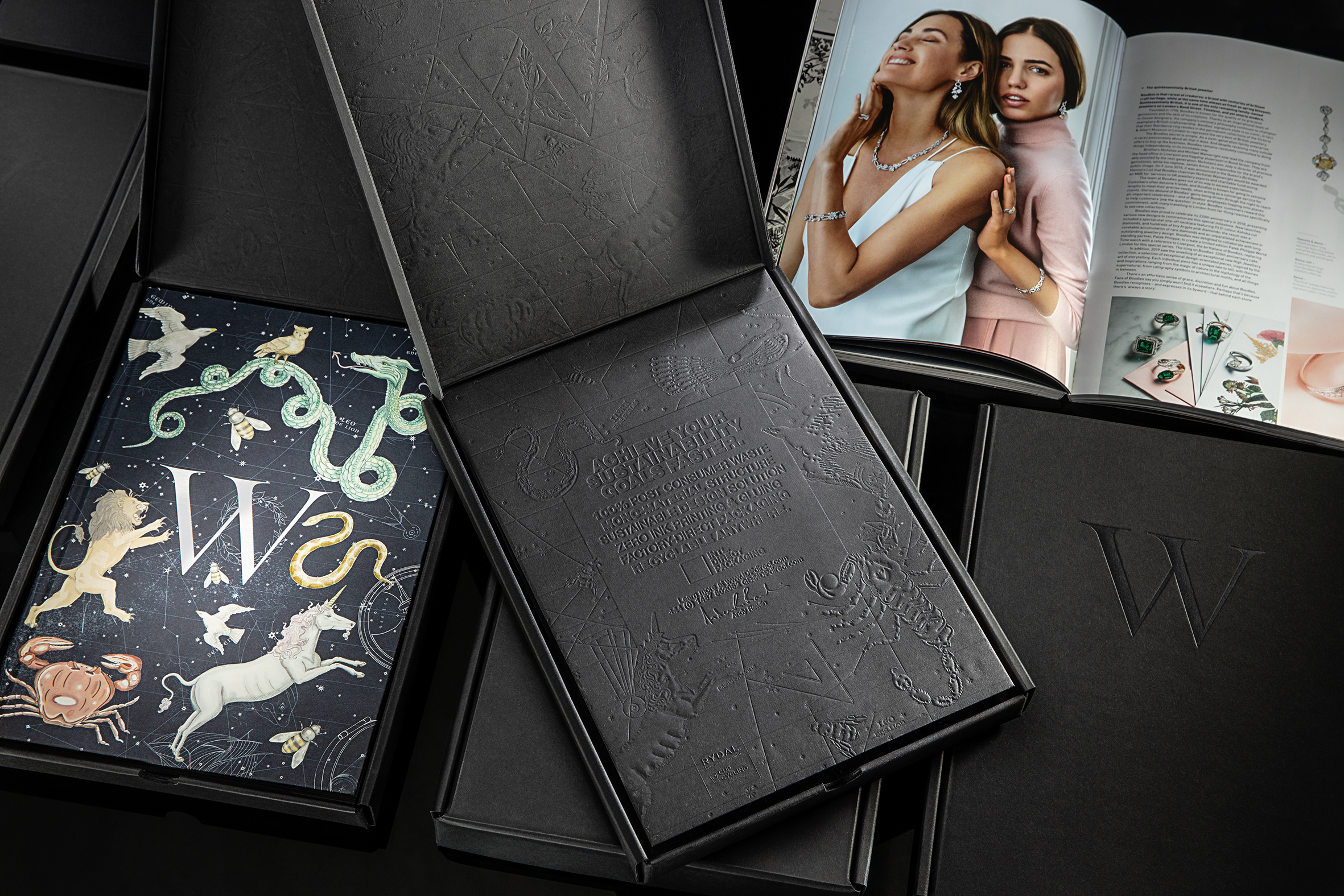
At IDP Direct, sustainability is woven into our DNA. Our complete ownership of factories allows us to control every step, from recycling waste to custom-making materials like the paper handles for Walpole’s annual Book of British Luxury packaging back in 2020. This approach, focused on luxury and user experience, eliminates excess and ensures transparency in GHG emissions.