The most anticipated womenswear catwalk debut of the Autumn/Winter 2025 season was at a French house: Givenchy. One of the most anticipated of the Spring/Summer 2026 season was at an Italian house: Bottega Veneta. Yet both shows represent, at one and the same time, British triumphs. Ditto the latest Dior Homme collection, which was shown in June 2025. Givenchy is now headed up by Macclesfield-born Sarah Burton, formerly of Alexander McQueen. Burton’s first take on a quintessentially 21st century Audrey Hepburn – the house’s original muse and a woman who I imagine never went anywhere near Macclesfield – did not disappoint; was note-perfect, in fact.
Louise Trotter, who comes from Sunderland, is fresh in the hot seat at Bottega, and if her strong recent performance at Carven is anything to go by, we should expect similarly great things. Jonathan Anderson, recently installed at both Dior womenswear and menswear, has come a very long way from Magherafelt, his wonderfully named birthplace in Northern Ireland, thanks to both his eponymous brand and his time at Spanish house Loewe. For a British fashion journalist, travelling the globe for the catwalk shows can feel akin to a homecoming these days. I might be sitting on the front row in Paris or Milan, but it can seem, in the best possible sense, as if I am looking through the other end of a UK-facing telescope.
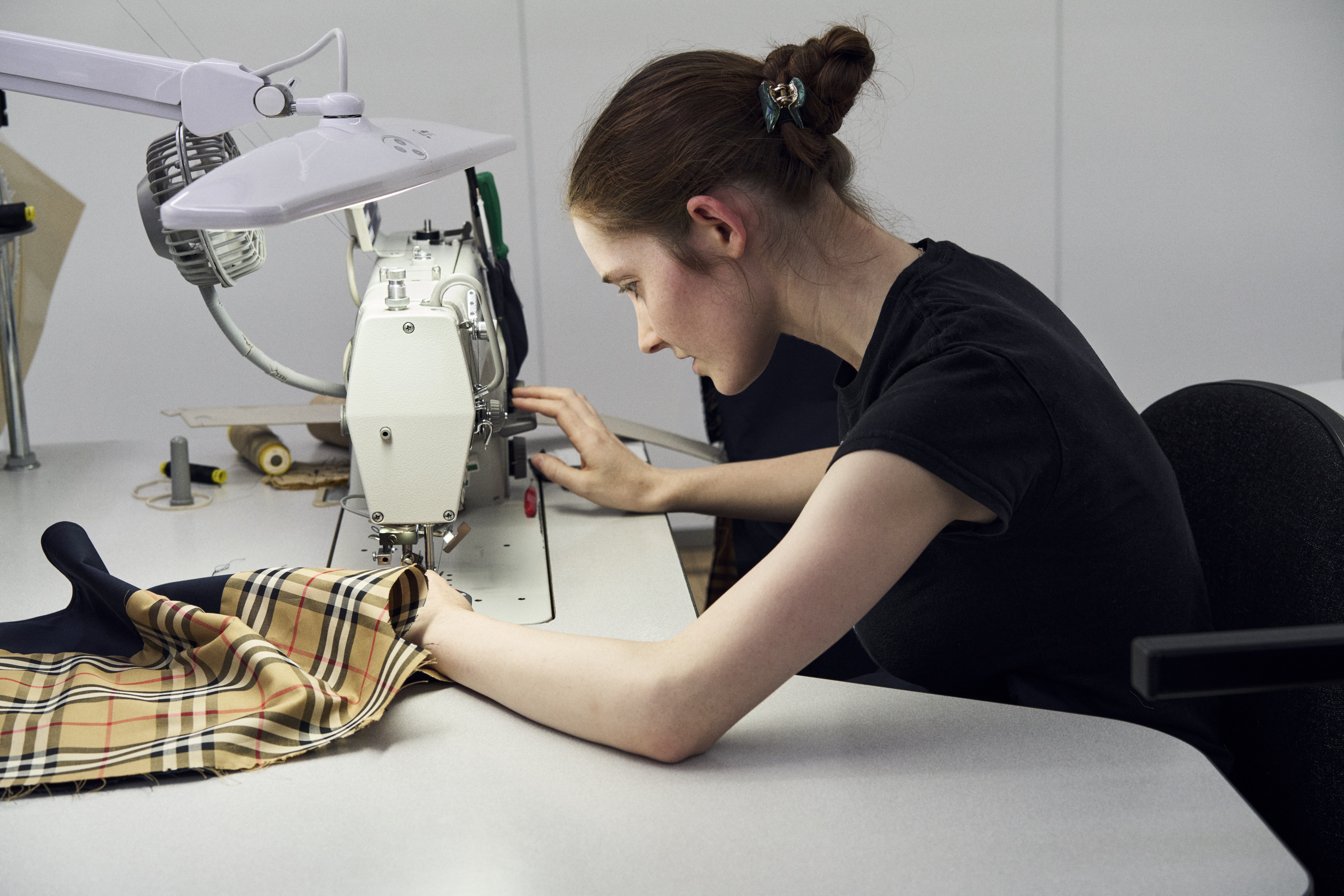
As for London Fashion Week, our own Daniel Lee has definitively found his British-inflected footing at Burberry. His most recent presentation at the time of writing – in Joshua Reynolds reds and Capability Brown greens, in aged-looking tapestries and brocades – was inspired by what he referred to before the show as “long rainy walks in the great outdoors” and “day trips to grand stately homes”.
The British are everywhere, not just at the loftiest creative director levels, but all the way through the design hierarchy. British fashion is having not so much a moment – nothing so transitory – but what I am daring to label an epoch. (Pretentious, me?)
Some might also call what we are seeing a renaissance, though that would clearly be too Italian. So, let’s go with a second coming. What better timing for a new CEO at the British Fashion Council – Laura Weir, formerly of Selfridges – to promote us at home and abroad?
What’s going on? Partly it’s a testament to the continuing legacy of the world-beating programmes at institutions such as Central Saint Martins at the University of the Arts London. But it also pertains to our particular variety of double vision, the way our fashion capital is among the most future facing yet also remains anchored in an aesthetic heritage that is upheld by artisans across the land.
Some might also call what we are seeing a renaissance, though that would clearly be too Italian. So, let’s go with a second coming. What better timing for a new CEO at the British Fashion Council – Laura Weir, formerly of Selfridges – to promote us at home and abroad?
What’s going on? Partly it’s a testament to the continuing legacy of the world-beating programmes at institutions such as Central Saint Martins at the University of the Arts London. But it also pertains to our particular variety of double vision, the way our fashion capital is among the most future facing yet also remains anchored in an aesthetic heritage that is upheld by artisans across the land.
At the farthest edge of that land (quite literally) is Harris Tweed Hebrides, its mill perched on the shores of the Isle of Lewis, next stop America. To visit there, and the homes of the weavers who turn its yarn into tweed, is to bear witness to the creation of the only fabric on the planet that is governed by its own Act of Parliament. Each yarn is blended out of diverse shades, a number of different yarns then woven together to create a textile that has, on closer inspection, the richness and depth of field of an oil painting.
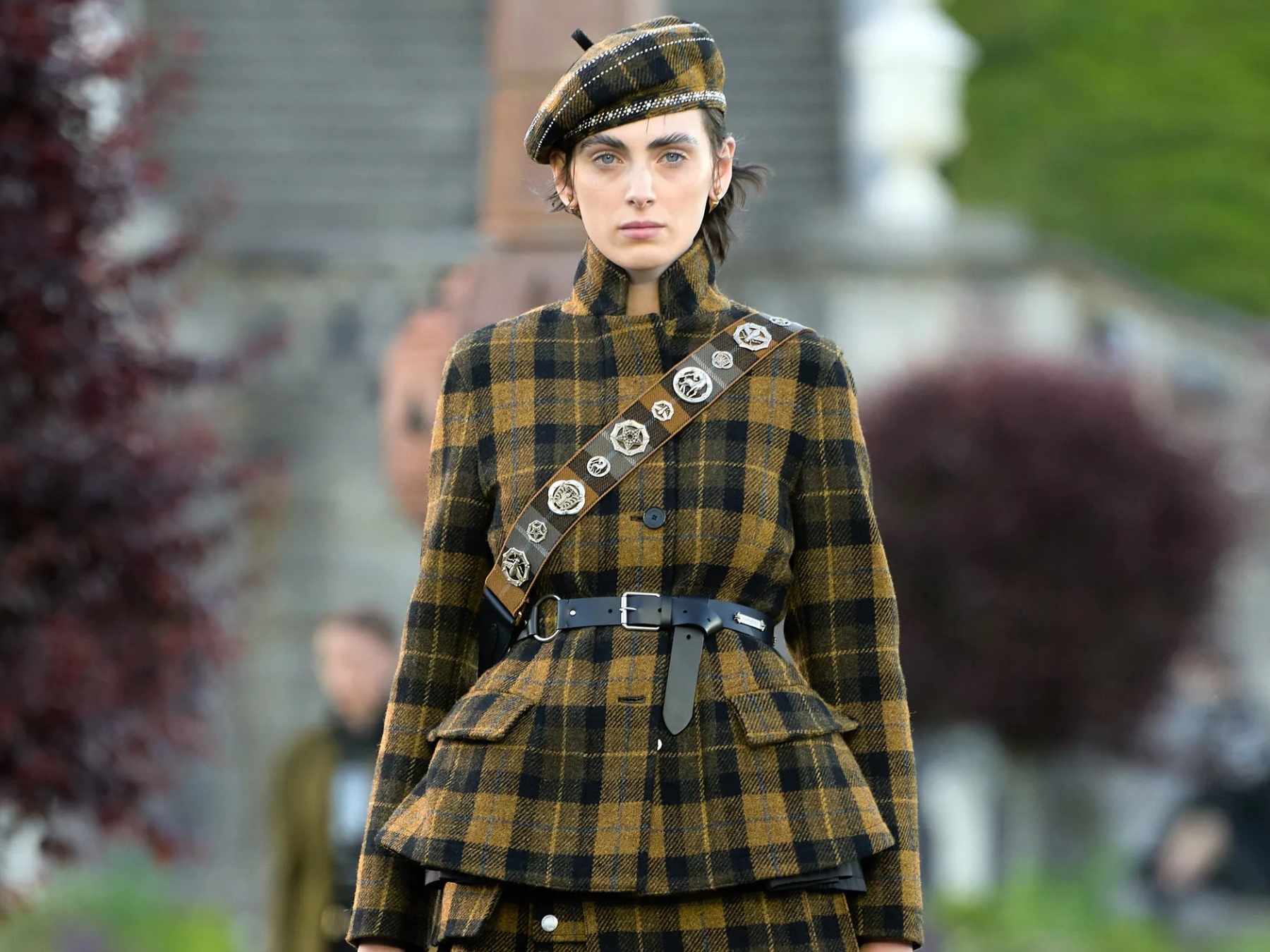
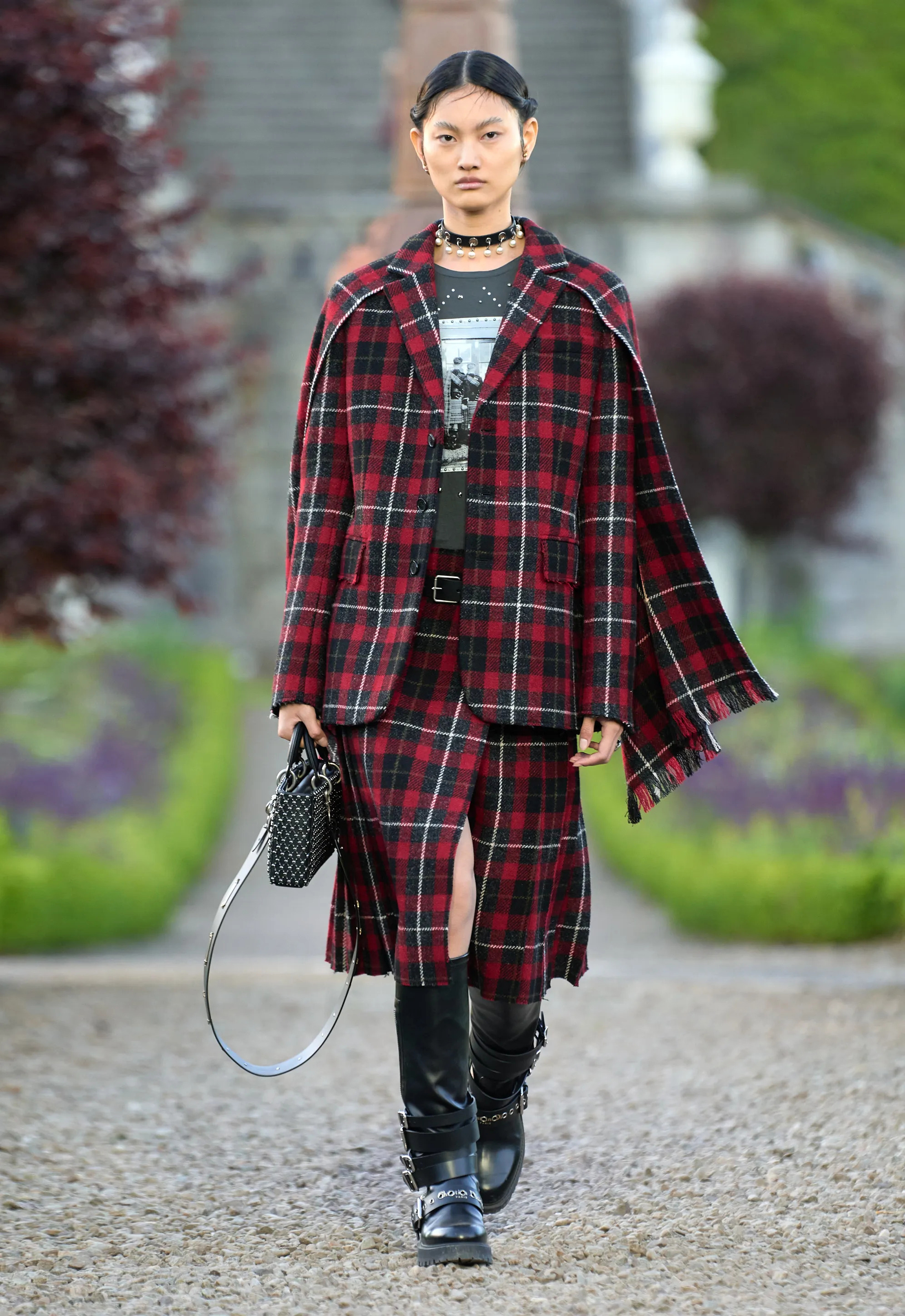
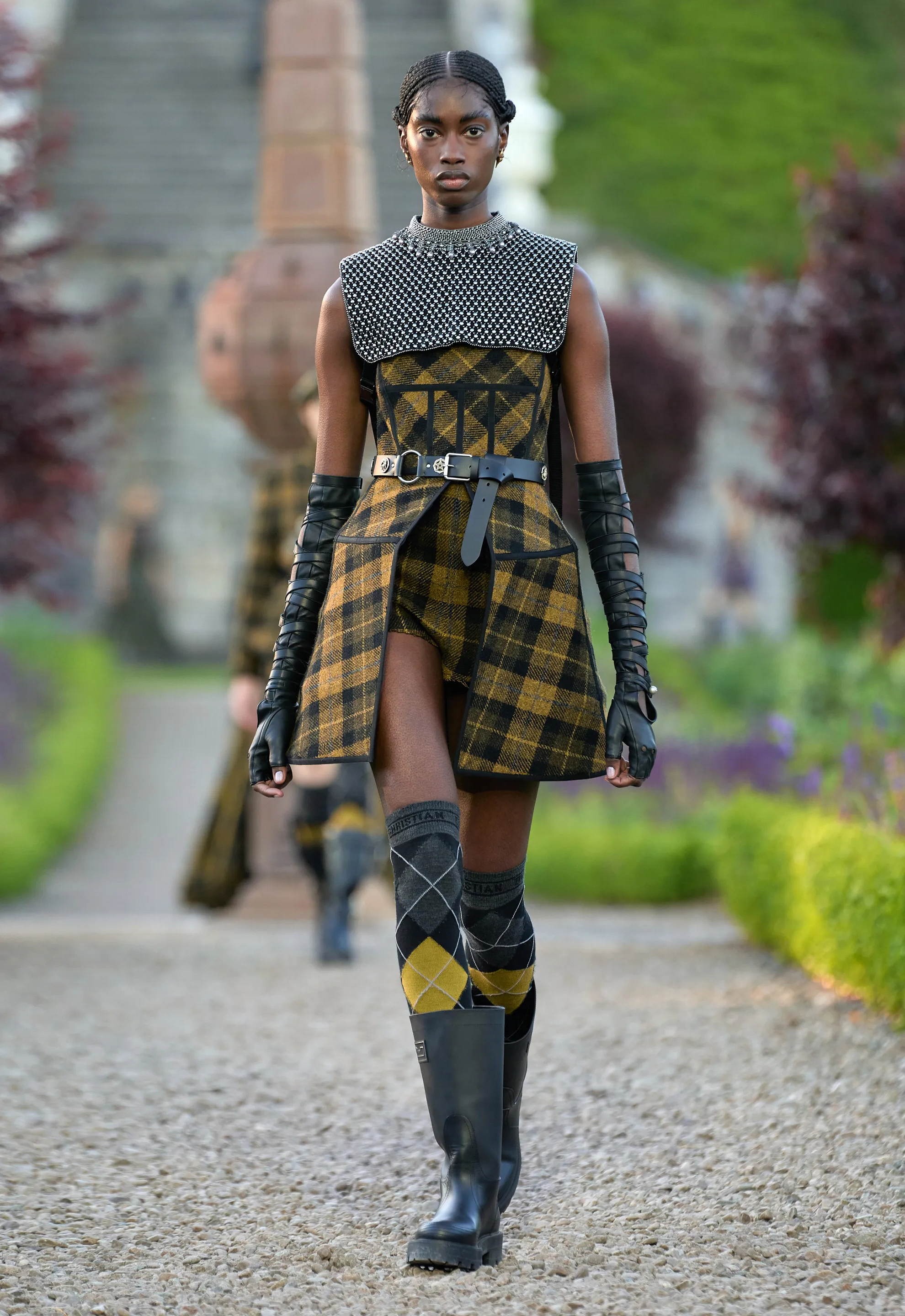
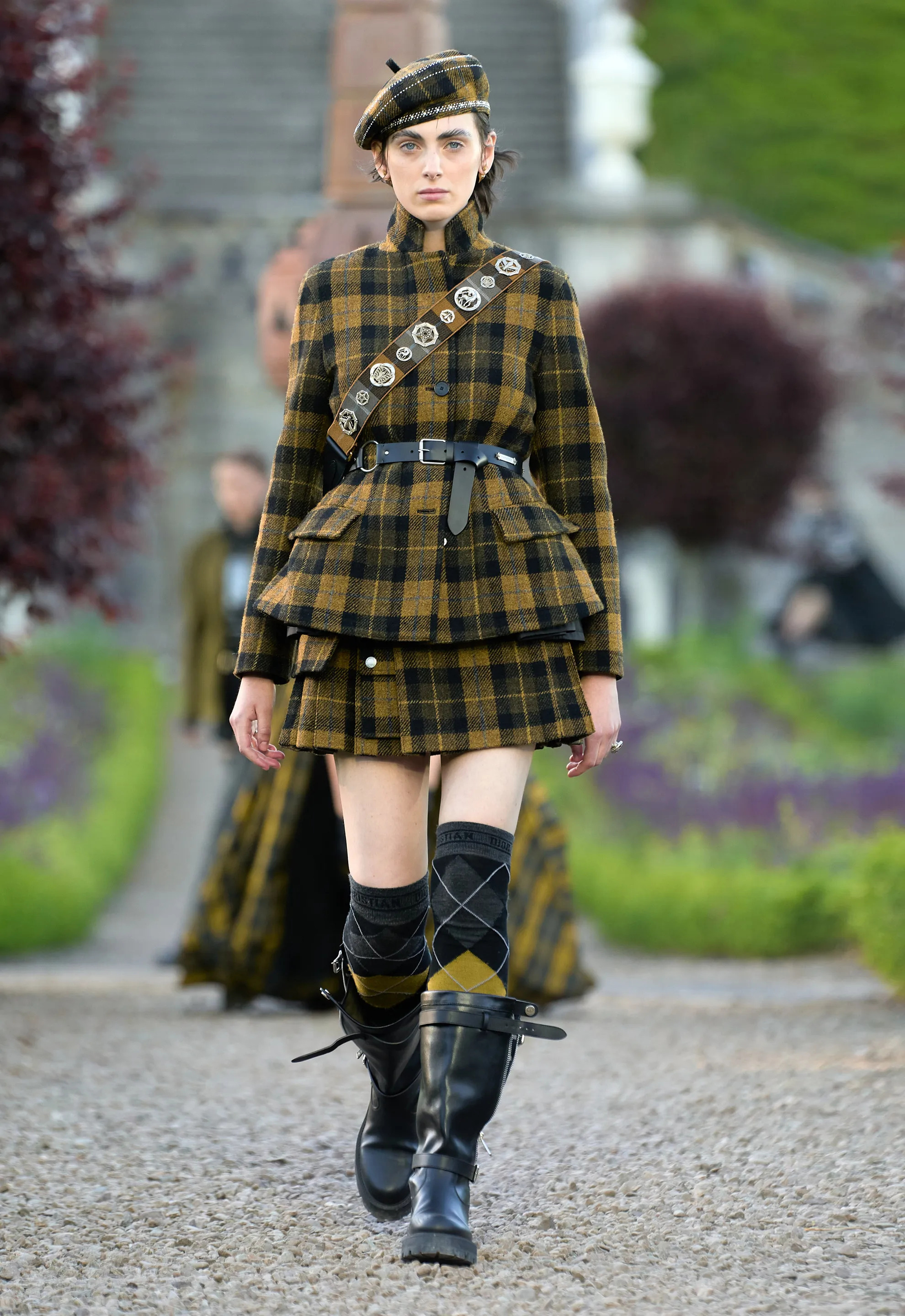
2024 saw a collaboration between Harris Tweed Hebrides and Dior (pictured above). For Autumn/Winter 2025, it was Kenzo. “Increasing numbers of designers are recognising the enduring value of working with a fabric that represents both tradition and modernity,” says the fabric firm’s CEO, Margaret Macleod. “What we produce is more than just cloth.”
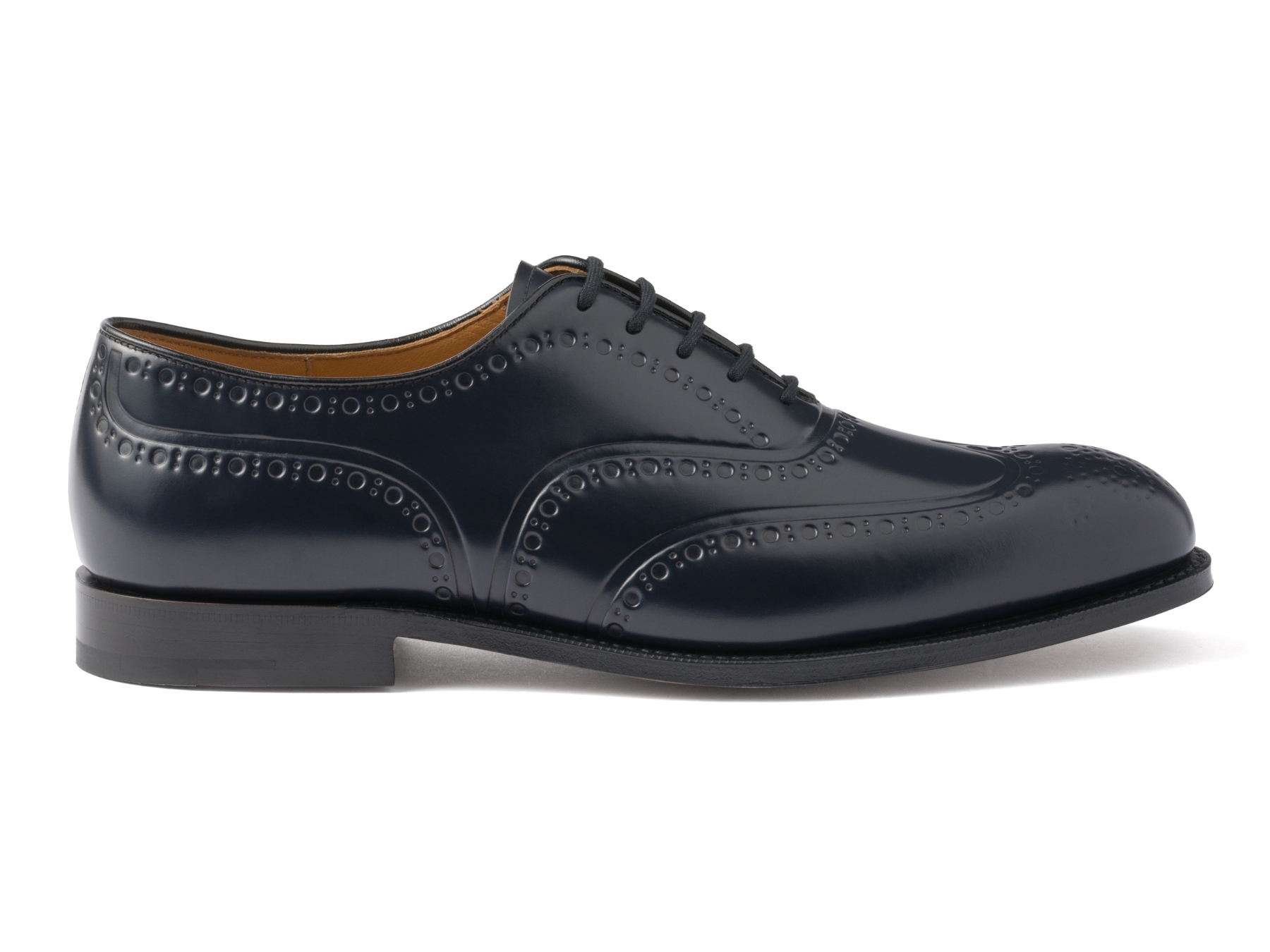
Another legacy brand, Church’s, can trace its Northamptonshire roots as far back as 1675. Its welted footwear is handmade by artisans and requires more than 250 separate manual operations. The idea of ‘English style’ may be hard to put one’s finger on when it’s what one has grown up with, but lo stile inglese – the Italian translation – is clear in the mind of every Italian to whom I have ever spoken. That nation’s love for our gentleman’s aesthetic is part of the reason why Prada acquired Church’s in 1999.
Indeed, it’s notable how often others see more clearly what we as a nation have to offer than we do. The allure of our brands for luxury customers across the globe is indubitable. And it’s not just about their products but their pasts. Jing Zhang, whose consultancy Atlas Altar specialises in the Asian luxury consumer, says it is “the stories, the histories of legacy brands that are so appealing for someone who comes from a part of the world where luxury labels tend to be much younger”.
Not that a brand needs to have a long heritage in order to appeal. Anna Mason*, who founded her boutique London-based ready-to-wear business in 2012, creates clothes that are quietly distinctive, both artsy and upscale. Inspired by brands such as Biba in its 1960s pomp she may be – she recalls picking up vintage Biba pieces for a song when she was at the Royal College of Art – yet what Mason creates is utterly of the here and now. She pulls in point-of-difference-seeking punters from all over the world, and has an especially strong base in America.
The designer – whose talent was spotted early when she won a scholarship from the late Karl Lagerfeld when she was still a student – talks of “how important our Britishness is for many of our customers, especially our American ones. They love the point of view, plus the exclusivity of this being an independent British brand.” As far as possible everything is made in the UK. “That definitely has its own cachet.” Recently Mason worked with one of the last lacemakers left in this country.
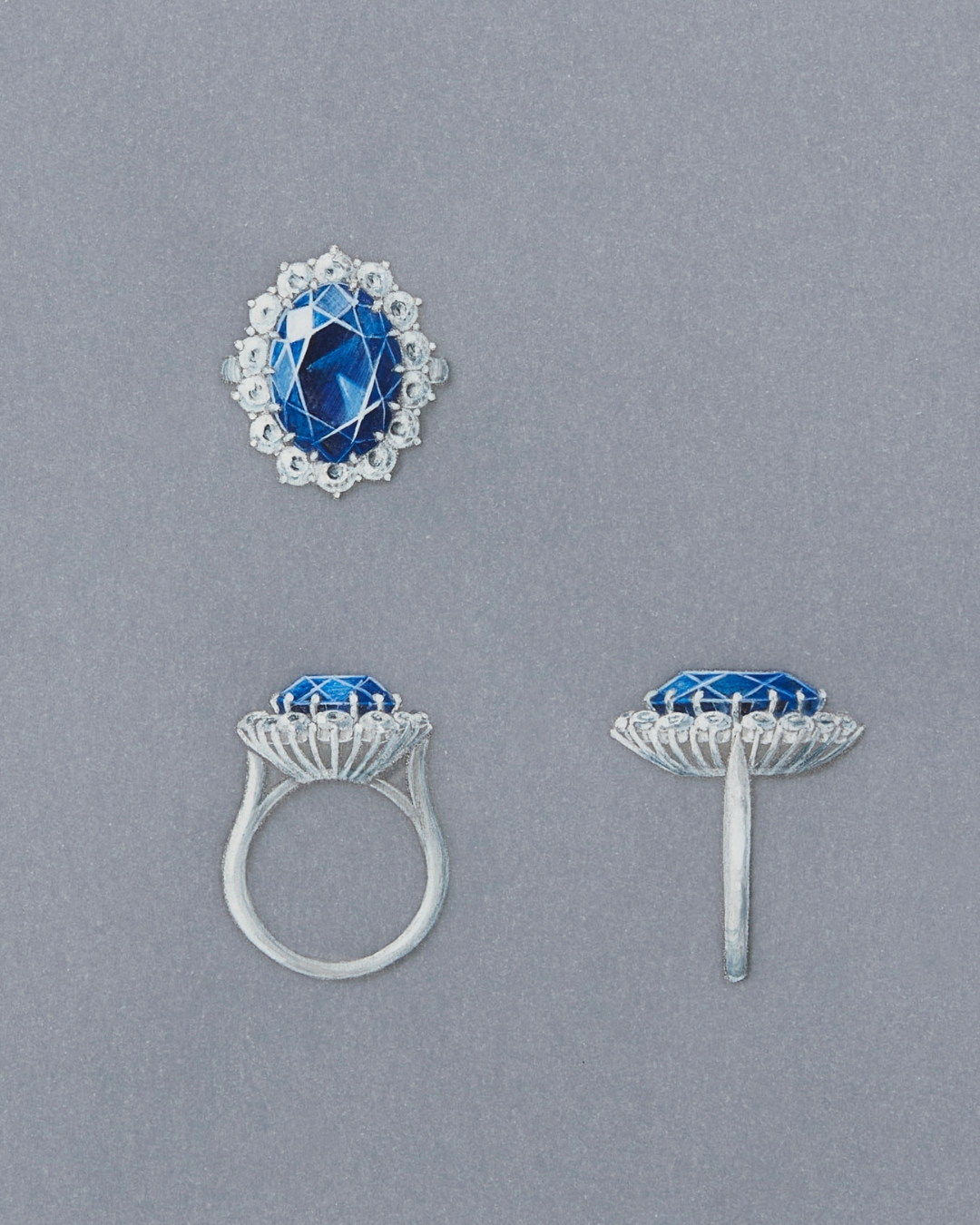
Since Garrard was established nearly three centuries ago its artisans have conjured up numerous pieces that are more than just jewellery, that are – pun very much intended – cultural touchstones. The sapphire cluster engagement ring of the late Diana, Princess of Wales, which now nestles on the finger of the current Princess, is perhaps the best-known example of its work.
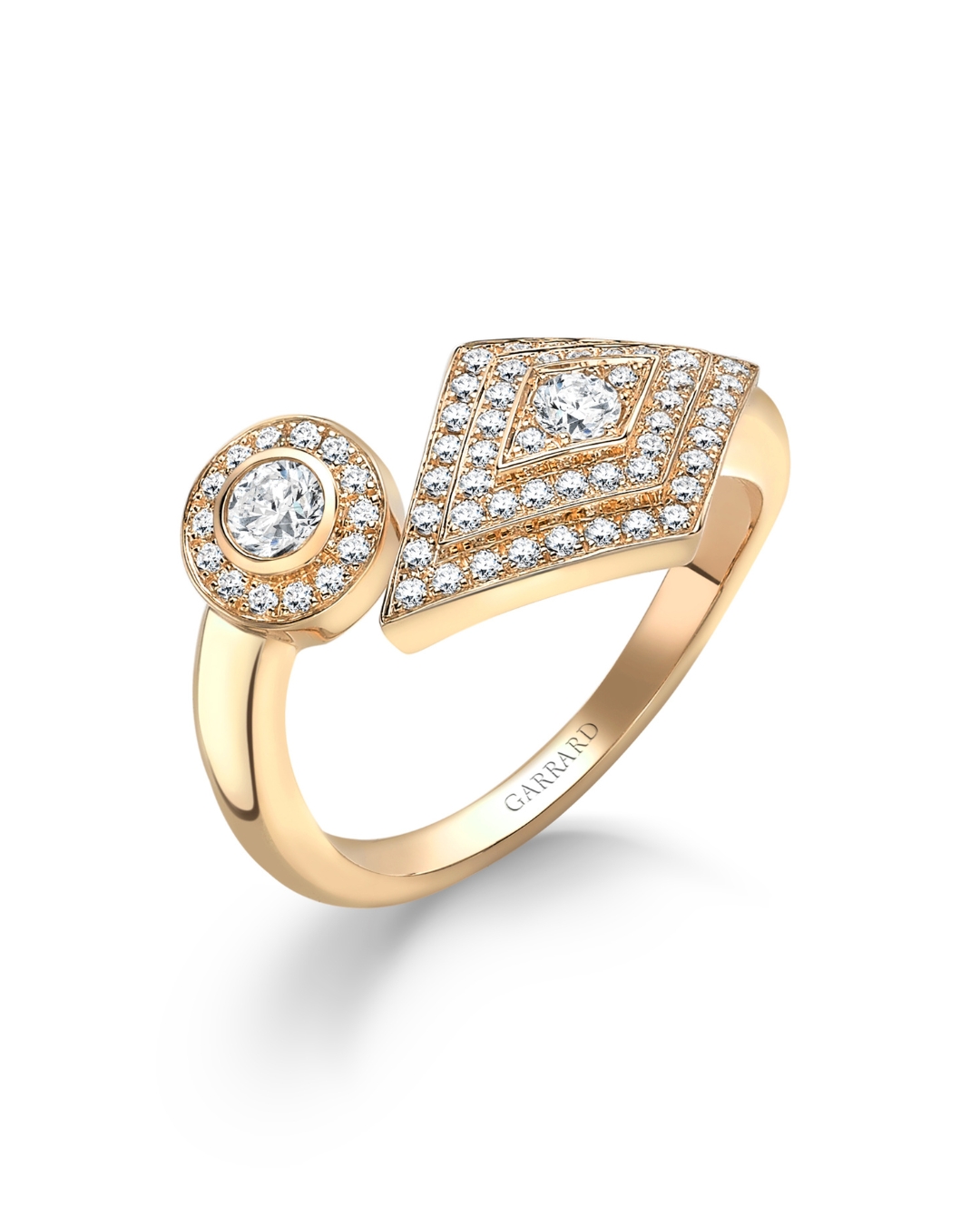
However, Garrard’s remarkable archive serves as a starting point rather than an end game. As Sara Prentice, the Creative Director, says, “Heritage is our foundation, but evolution is essential.” The Albemarle collection, for example, offers up a contemporary reinterpretation of its iconic Windsor motif, which clash-matches round and geometric diamonds.
The motif was first used in the charmingly named Girls of Great Britain and Ireland Tiara, which was a wedding gift from her ladies-in-waiting to Queen Mary in 1893, who in turn gave it to Queen Elizabeth II on the occasion of her wedding in 1947.
The Albemarle’s reinvention of the Windsor motif as here an ear cuff, there a ring that could be worn for every day (despite it looking anything but), is emblematic of what a future-facing historical brand should do. “We respect tradition while confidently stepping into the now,” is how Prentice puts it.
What better summation of the best of British luxury today.
*Editor's note: Anna Mason has ceased trading since the original publication date of this article.
Daily Luxury Digest
Sent every working day, the Daily Luxury Digest is your essential news source for the latest developments in the luxury sector both in the UK and around the world.