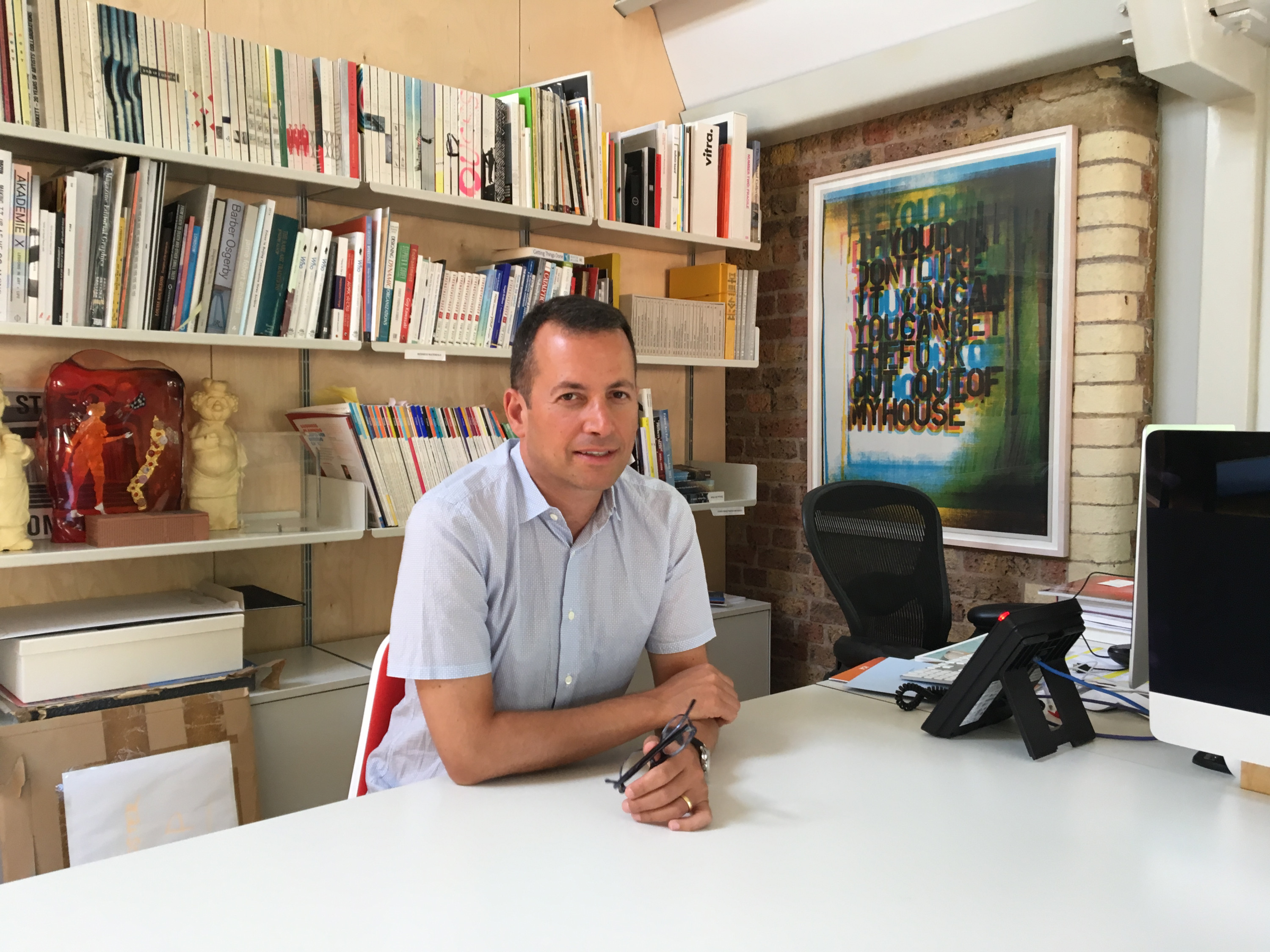
Matthew Slotover on the evolution and enduring appeal of Frieze

The Interview
11th October 2023
Frieze Art Fair 2010 in Regent's Park, London. Photo by Linda Nylind. Courtesy of Frieze.

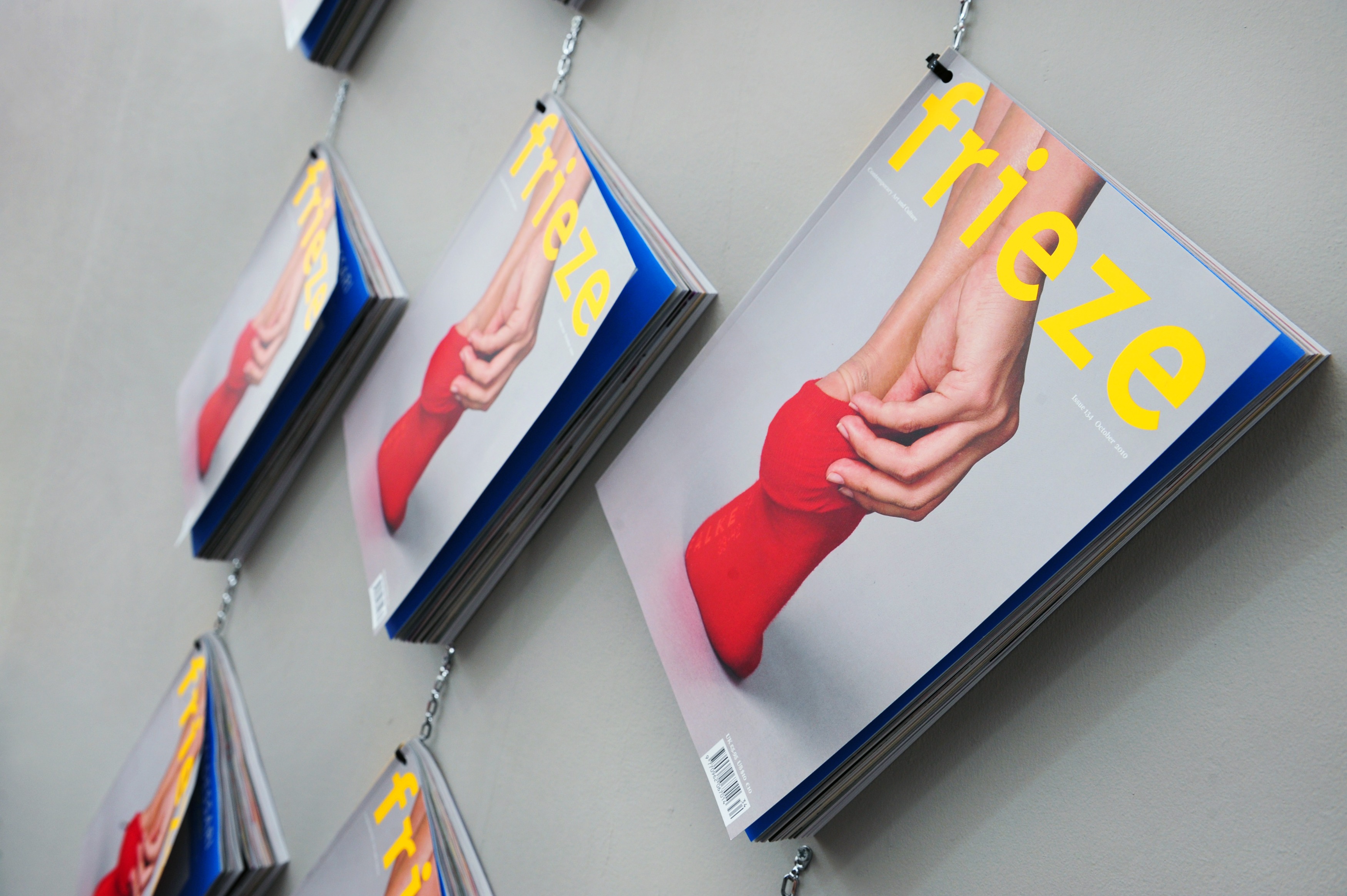
Walpole: Frieze began as a magazine in 1991. What prompted its evolution into an art fair?

Matthew Slotover: As young editors of a magazine, we used to travel to see contemporary art at the international art fairs. Contemporary art galleries were really where the young art was being shown and where the new ideas were – more so than the museums. It dawned on us through the Nineties that every city had an international art fair except for London. We saw there was an opportunity for us there, and we knew all the galleries because they were the advertisers in the magazine. The only problem was that we knew nothing at all about the art market, about running events, or about putting up tents!

You distinguish between the contemporary art in art fairs and the art in museums on your trips…

Frieze magazine began in a time before the Tate Modern existed. Tate Britain would do one maybe one international contemporary exhibition every five years, but it didn’t have a space to exhibit younger artists (the Turner Prize was its contribution to younger artists). Places like the South London Gallery, Studio Voltaire, Goldsmiths didn’t really exist then, and lots of places have come up in that time that do show new young artists. However, at the time, the big institutions just didn’t take them seriously.
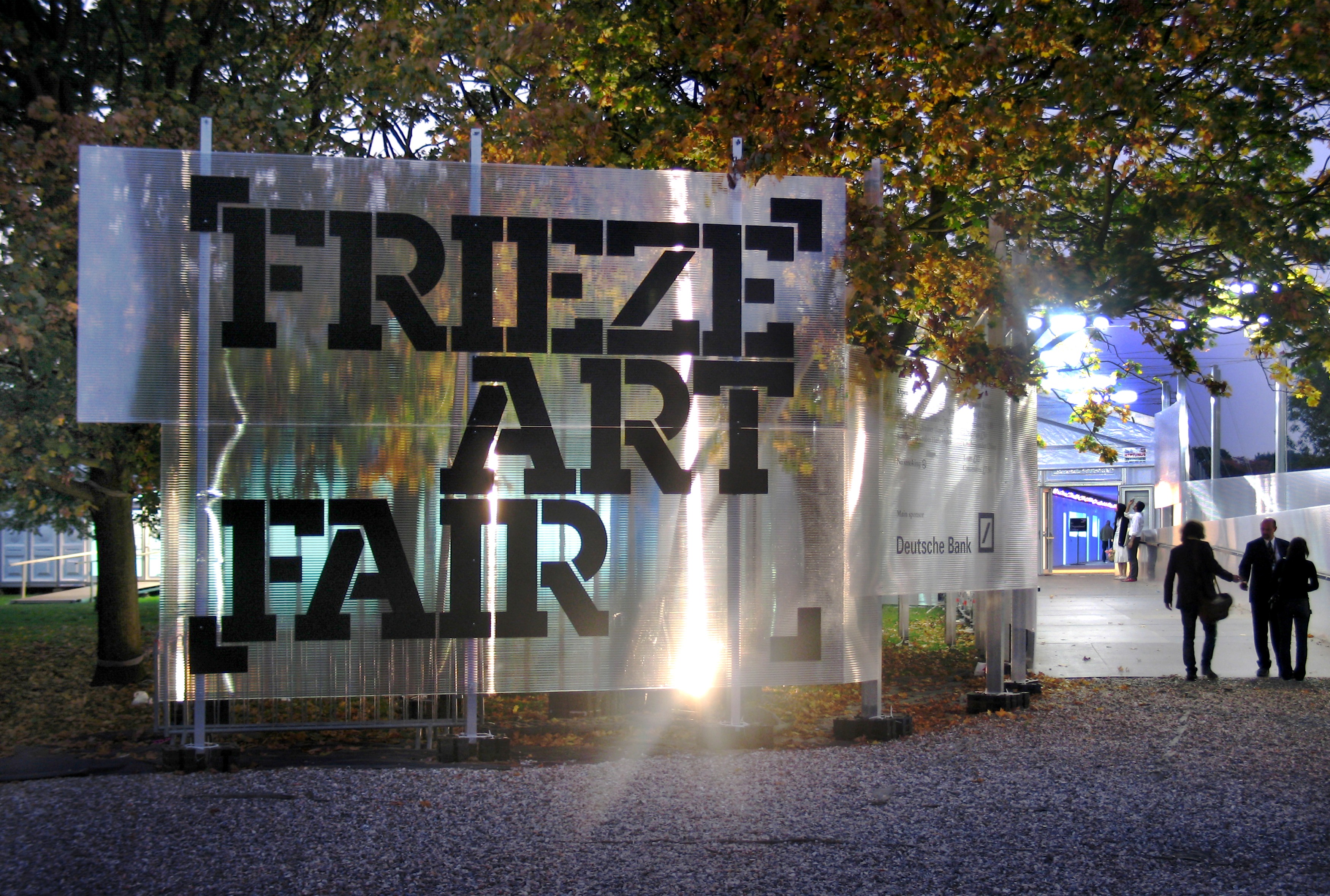
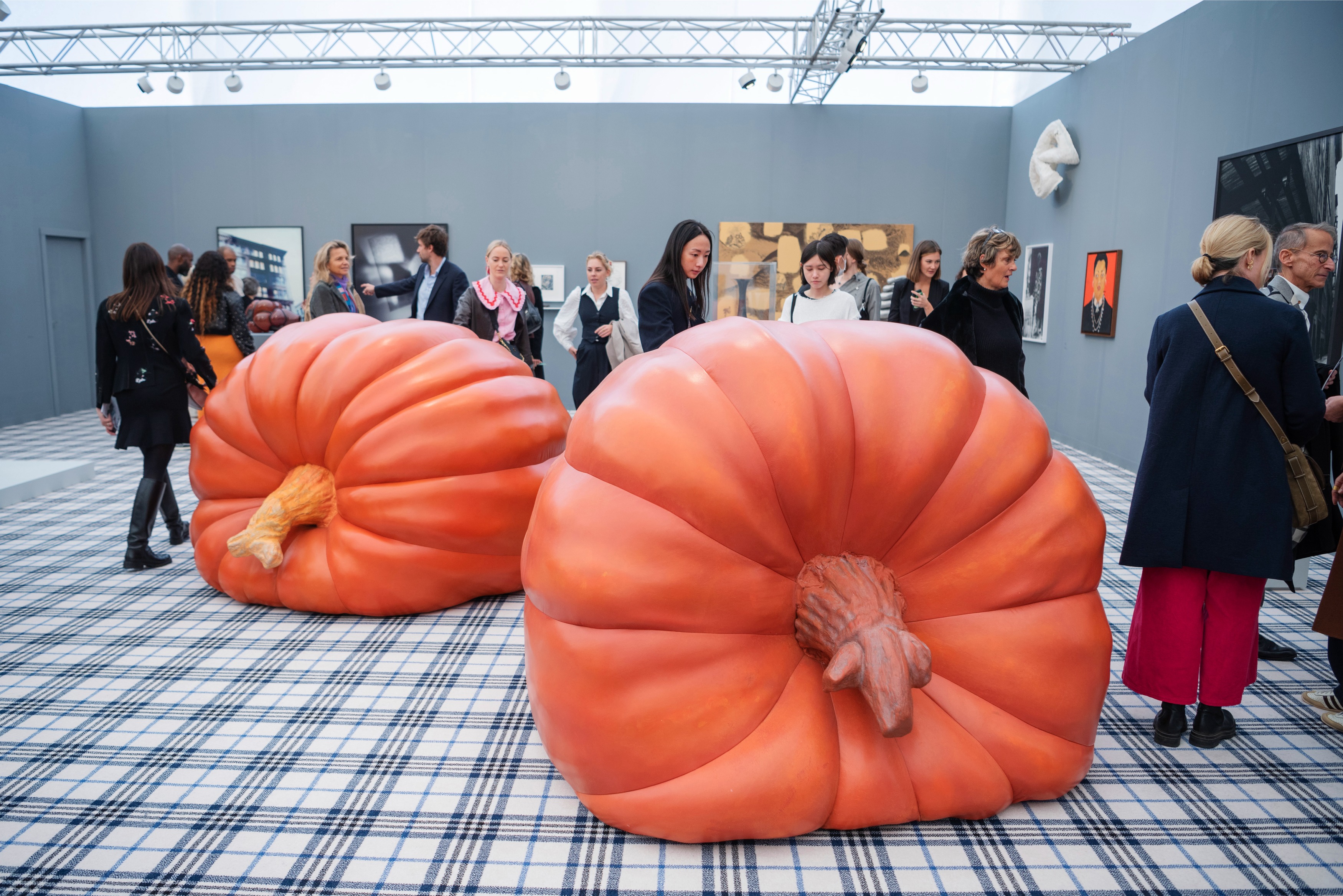
Frieze Art Fair 2007. Photo by Lyndon Douglas. Courtesy of Frieze

Frieze pioneered the creation of an immersive experience, and this approach has emerged as something of a trend within the luxury sector. Why was this important to you?

Art fairs have always been about more than buying and selling – the vast majority of visitors to art fairs have no intention of buying, they are just there to look at the art as an exhibition. As they tend to be short in length, art fairs are a place where people bump into each other. It's a big social event, it’s fun. And so, there were always those elements of networking and of viewing outside of the market. We brought something new by doing it in a tent, in a park that is public space, and by bringing great restaurants and by bringing commissioning artists to do special projects for Frieze – it added something. 90% of the fair is still white walls with paintings or pieces of photography on them, but we wanted to create this feeling of excitement about visiting. We weren't art collectors, so we wanted to create something that we would enjoy. And we thought, if we are going to do it, we need to offer good food and an environment filled with natural light. We tried to do things as well – and differently to a static gallery – as we could.

Frieze began in London, and now it exists around the world. What do you think is unique about the British cultural scene and its position in the worldwide cultural landscape?

Fundamentally, people want to be in London – it is a good meeting point for the world. I think that is really important. London has got this edge to it which feeds creativity; it has amazing art schools; it has always had great artists. We have this talent, this openness, this anarchic energy within the city and within our national character.

Thomas Dane Gallery, Frieze London 2022. Photo by Linda Nylind. Courtesy of Frieze and Linda Nylind

Frieze addresses ethical, environmental, and representational issues through selected supporters and the funds that are offered. Has Frieze this grown more important to Frieze as society-wide awareness has increased?

The awareness of these issues and the desire to do something about them have increased over the two decades that I've been working in art. In terms of diversity, it's always been there for us: we were the first magazine to write an article on Chris Ofili; we were the first magazine to do an article on Yinka Shonibare, and we introduced him to his first gallery. It was obvious at the time that they were great artists and that we wanted to support them.

The green initiatives came a bit later. We did a carbon audit in 2008, another one in 2011, and we published Green Visual Arts Guides with Boris Johnson when he was Mayor of London (to help visual artists reduce their carbon emissions). During that period, we realised that something like 70% of our emissions were coming from the power sources for the fair – which, at the time, were diesel generators– so we changed it to biodiesel (made from recycled chip fat). Those sort of changes feel completely logical to me and I make sure we do our bit because of that.

I'm involved in a lot of climate initiatives now; I was one of the founding members of Gallery Climate Coalition and I started a new charity called Murmur. However, I think real change will come from systemic change, not from individuals. As an organisation, we have to use our voice to try and influence policy, law, companies, trade associations, governments – that's where the change is. However, it’s a complex area and I wouldn’t want to overstate our efforts.  

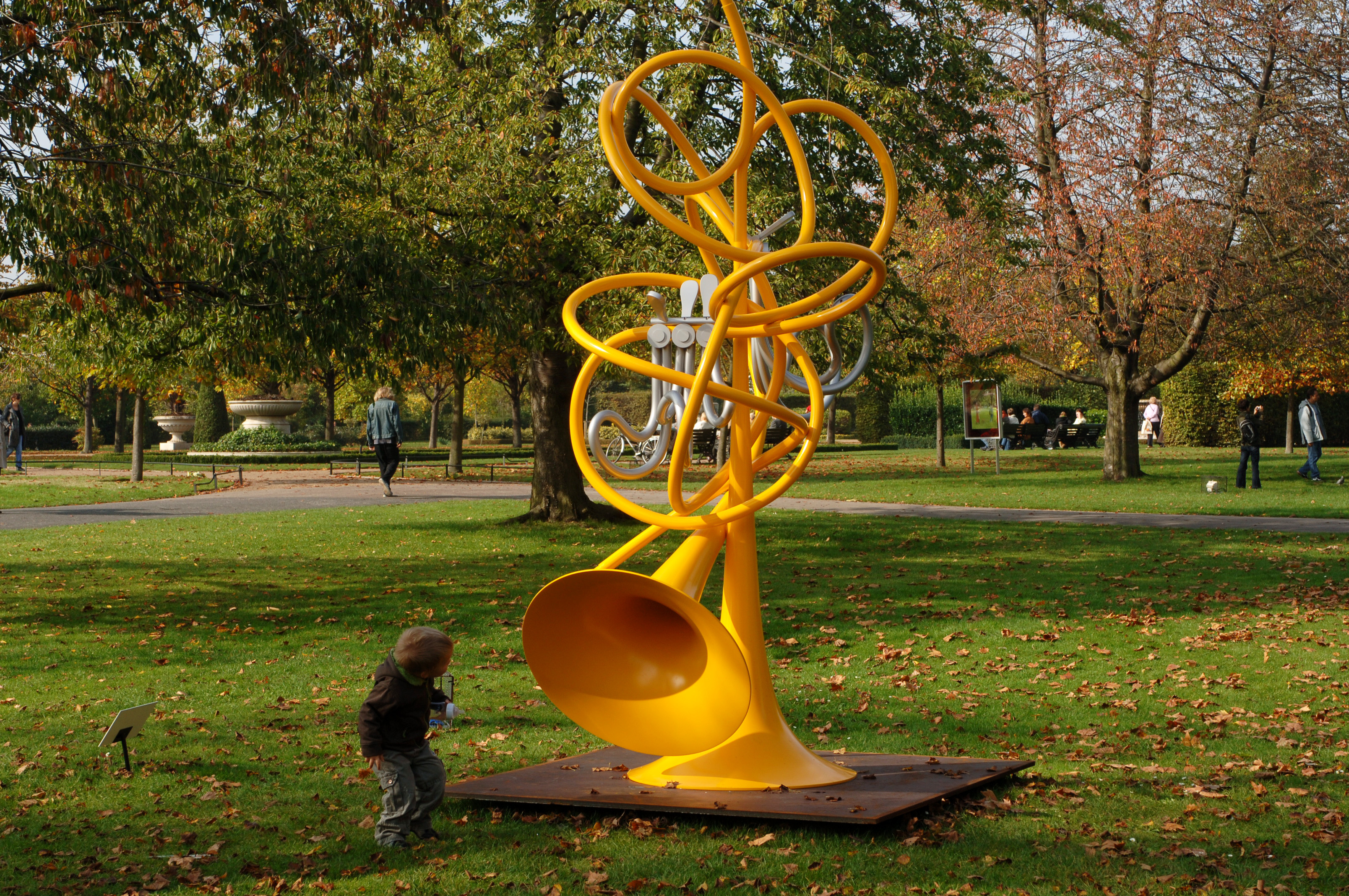
Coosje van Bruggen and Claes Oldenburg, French Horns, Unwound and Entwined, 2005, Sculpture Park. Frieze Art Fair 2007. Photo by Linda Nylind. Courtesy of Frieze.

As the British art scene has changed throughout the past twenty years, how has Frieze changed?

I think it's all the details. The basic model of the Art Fair has been around for 50 years, long before Frieze, Cologne started the international contemporary art fair as we know it. But, of course, there were groups of people in the forum in Rome and in nineteenth century Paris. This is good news for Frieze because it means the concept of the art fair isn’t going away. That said, we have seen incremental changes such as increasing internationalisation. And then significant changes too. It’s hard to remember, but people were smoking at the first Frieze!

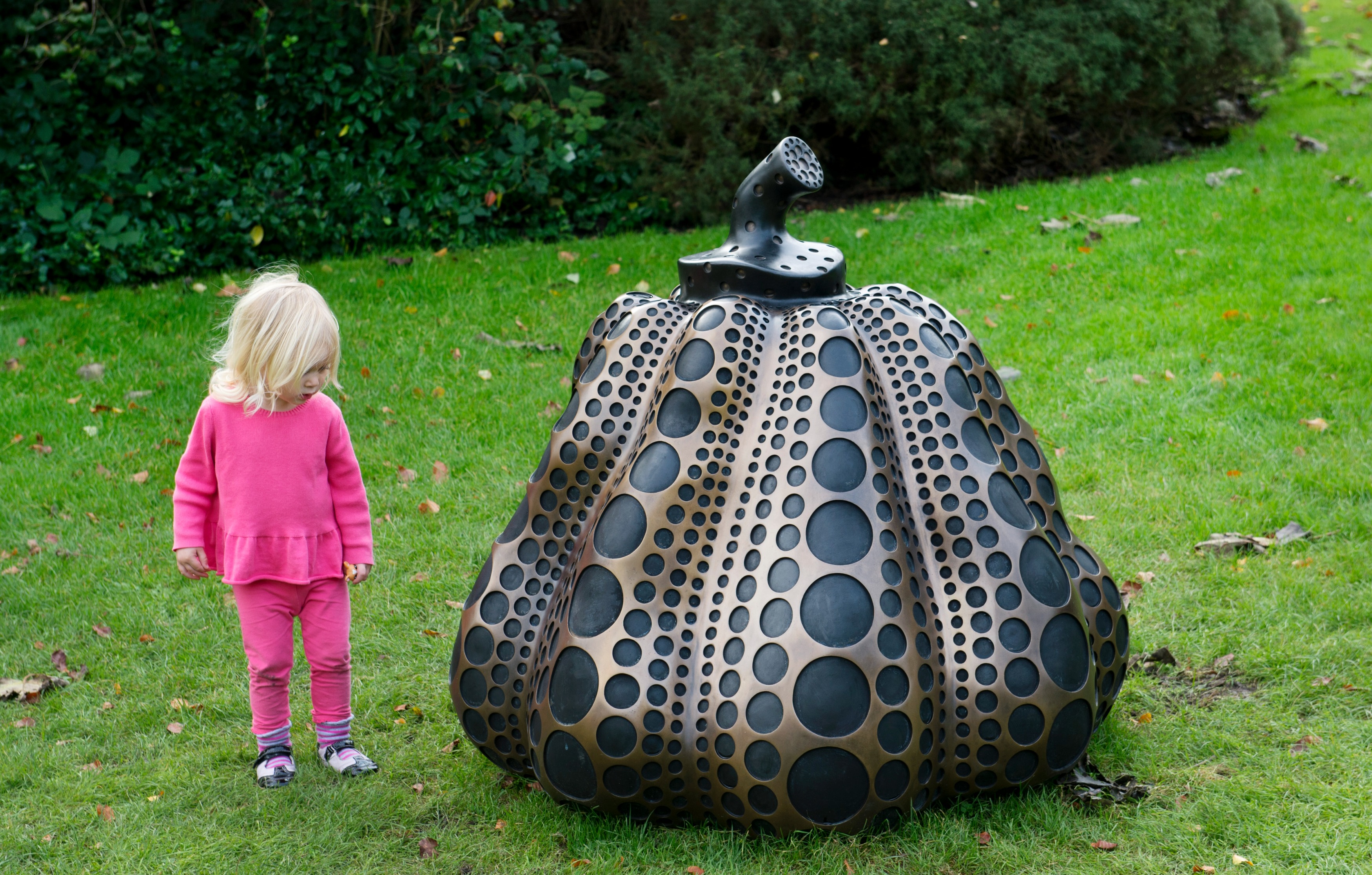
Frieze Sculpture Park 2014: Yayoi Kusama, Victoria Miro. Photograph by Linda Nylind. Courtesy of Linda Nylind/Frieze

Which artists, past and present, would you most like to have breakfast with?

I saw the Johannes Vermeer show earlier this year. He seems like a mysterious figure and it would be very interesting to have breakfast with him. In the present? I’m a huge fan of Arthur Jafa. There are a couple of pieces that I think are the most incredible works of the last 20 years and he has made one of them: a short, seven-minute film – just flashes of imagery and filmed clips over a Kanye West song. It’s absolutely incredible.

Which piece of contemporary art would you like in your downstairs loo?

It would have to be a small work, wouldn’t it?! A Picasso would be nice. There’s one in the Picasso Museum, one of Mary-Therese Walter from 1937 with lots of stripes in it. Everything is striped: her background, her face, her shirt. It’s amazing.

Which piece should not be missed this year at Frieze?  

There are good things coming! There’s a Brazilian painter called Lucia Laguna – she's in her 80s and some of her work it going to be at Frieze Masters in a solo part of the studio section. She lives in Rio and she paints mash-ups of the Rio eco-scape: bits of the city, bits of plants, bits of abstraction. Her work is really fantastic. 

Frieze London runs until Sunday 15th October 2023 at Regent's Park, London.
Find out more information and buy tickets

Enquire about Joining

Forename*
Surname
job title
email*
Brand*
TURNOVER
message*
Thank you. This form has been submitted

Membership Fees

Membership Tier
01
02
03
04
05
Brand Turnover
£5-10m
£10-20m
£20-40m
£40-100m
£100m+
Membership Fee
£7,000
£10,000
£15,000
£22,500
£36,000

Membership Guide

Please provide your details to download this document

Forename*
Surname
email*
SUBMIT
Thank you. This form has been submitted
Oops! Something went wrong while submitting the form.
Get the latest luxury talking points, sector news and industry insights in your inbox each day by signing up to our newsletter, the Daily Luxury Digest.

Daily Luxury Digest

Sent every working day, the Daily Luxury Digest is your essential news source for the latest developments in the luxury sector both in the UK and around the world.

Thank you! You have been subscribed to the Daily Digest