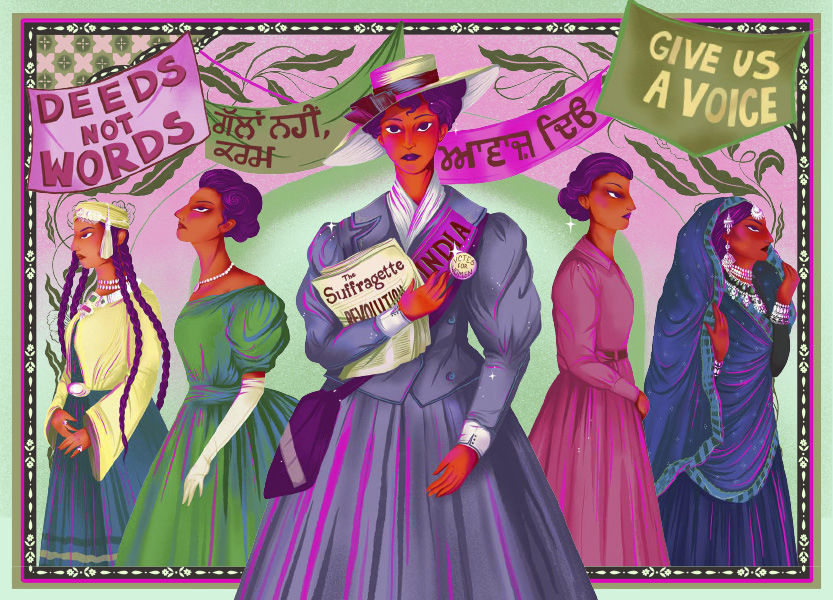
Walpole: This exhibition celebrates the 150th birthday of Punjabi princess, Sophia Duleep Singh. Can you tell us more about her and her impact on British history?
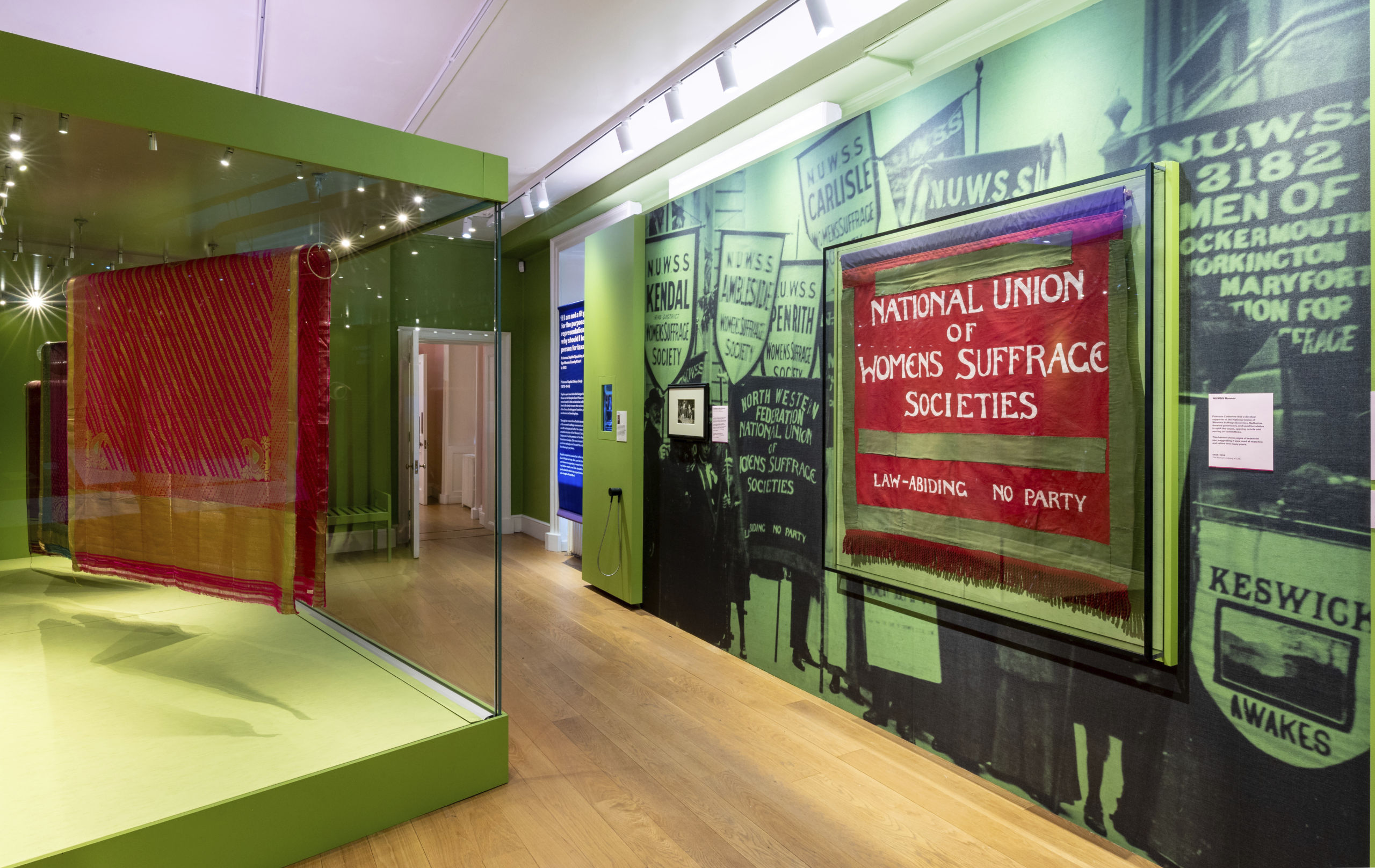
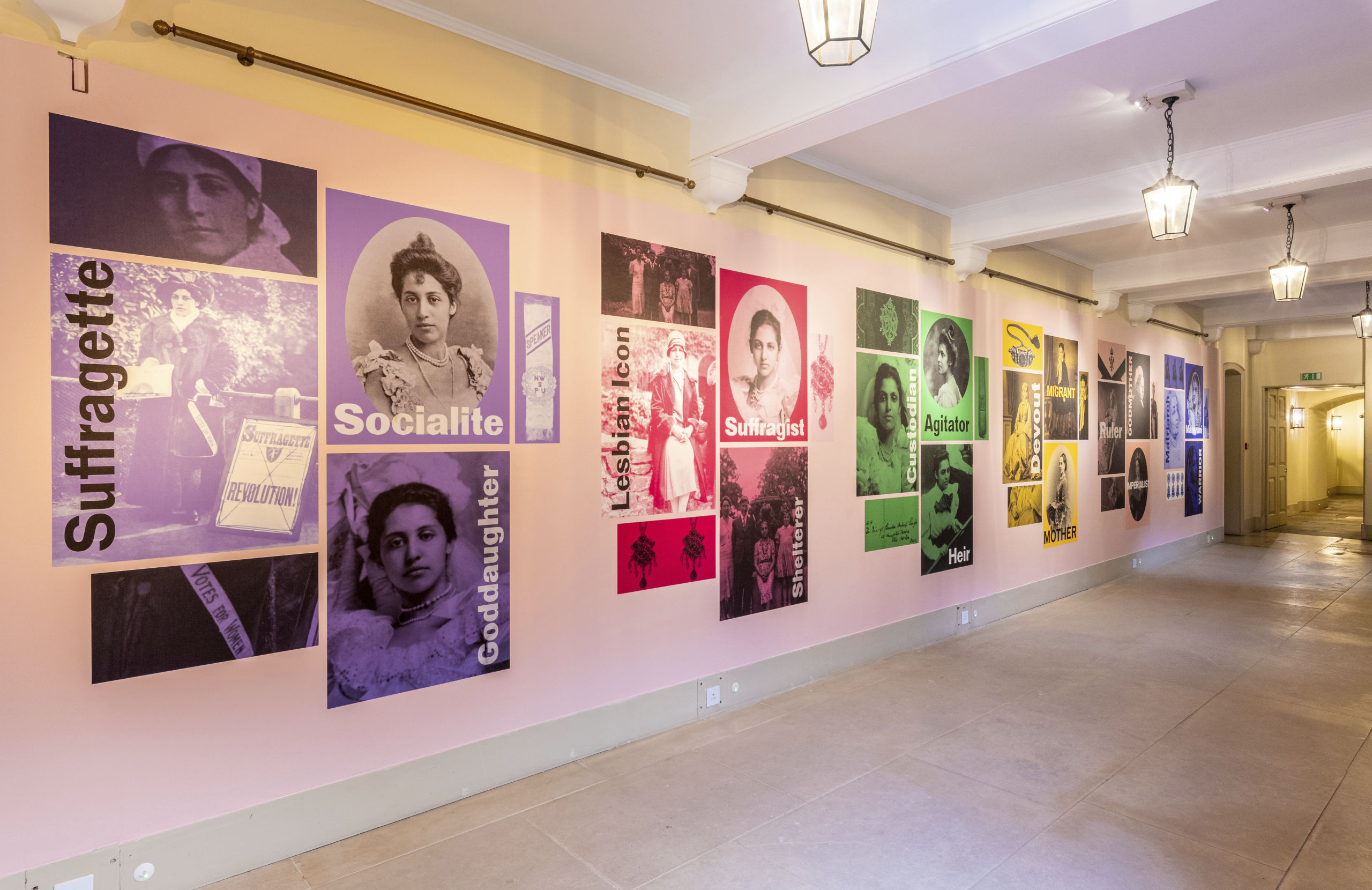
Polly: Princess Sophia is best remembered for her contributions to women's suffrage, the right for women to vote. She was an active member of the Women’s Social and Political Union (WSPU) and the Women's Tax Resistance League who campaigned under the slogan, "No Vote, No Tax". She was taken to court three times for refusal to pay taxes, saying at Spelthorne County Court in 1913, “If am I not a fit person for the purposes of representation, why should I be a fit person for taxation?” She used her royal status as a Princess of Punjab, her wealth, and her celebrity to support and bring attention to this important cause and also many others (in the exhibition, we also focus on her support for Indian soldiers during the First World War).
Sophia is not the only women to be celebrated in this exhibition. Can you tell us a bit more about her relatives who also feature?
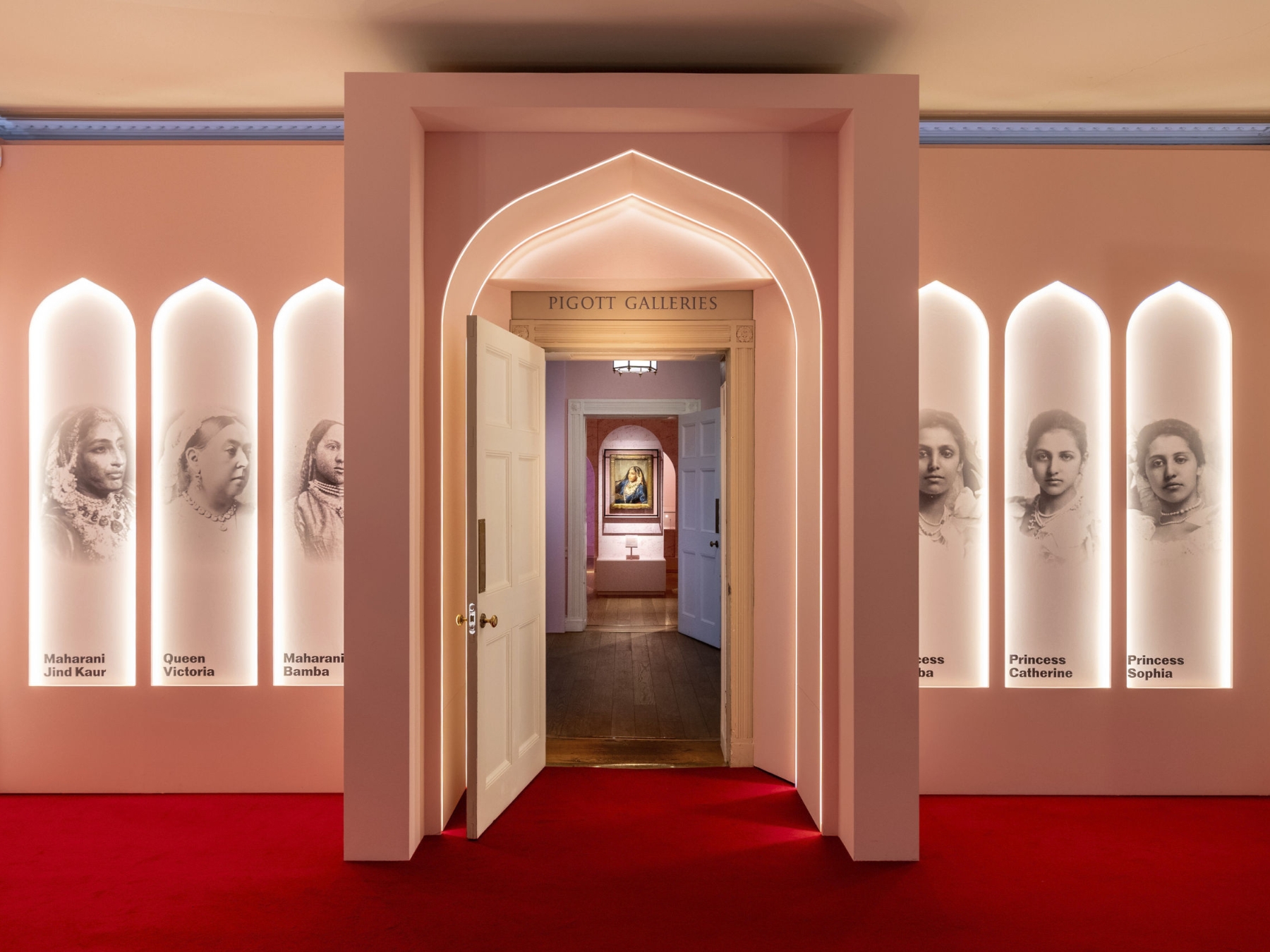
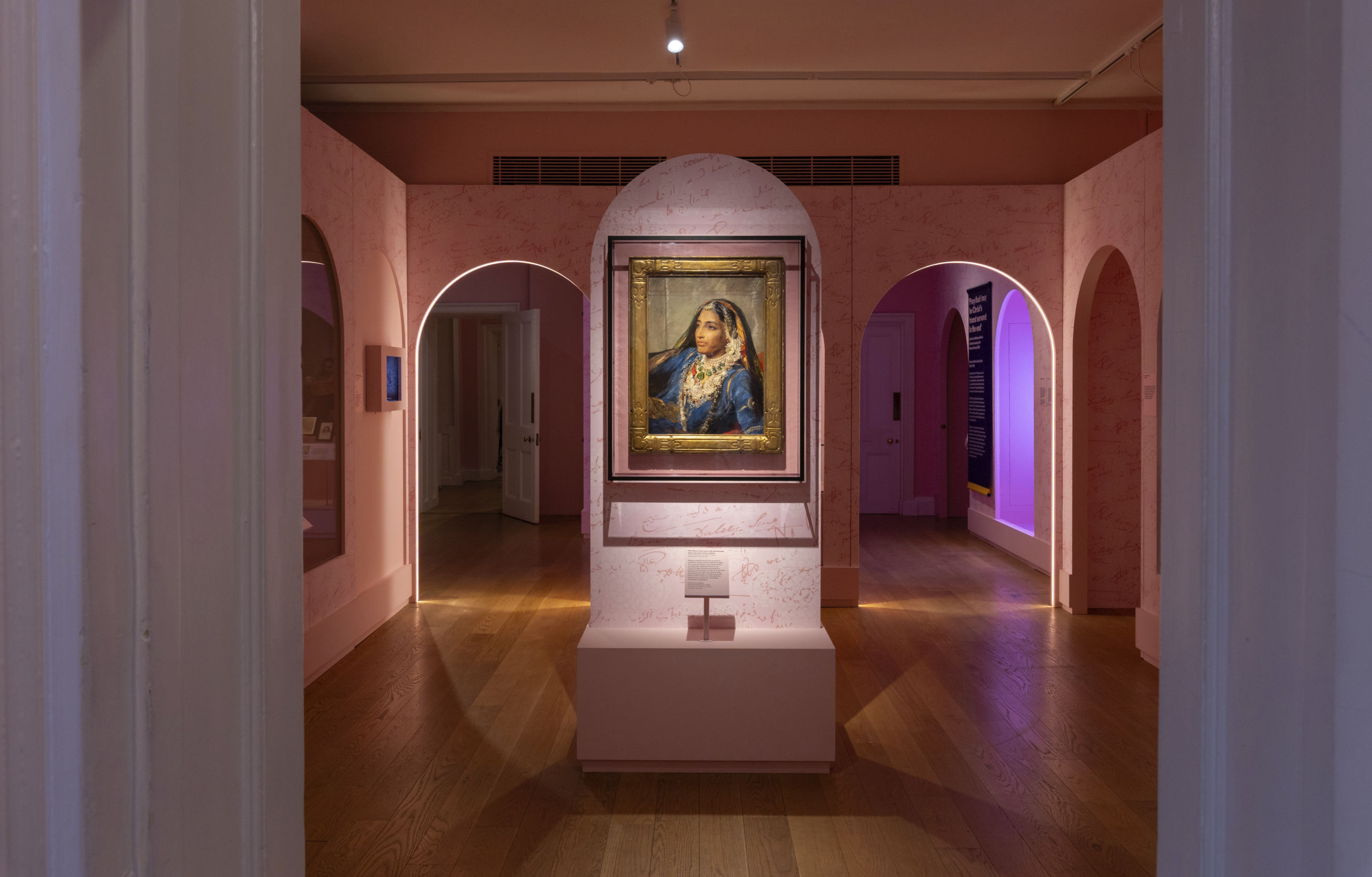
Mishka: You can't really understand Sophia without recognising the role of the strong, resilient women around her and in her family, in shaping the person she became. The exhibition opens with a portrait of Maharani Jind Kaur, Sophia's paternal grandmother and the mother of Duleep Singh, the last Maharajah of Punjab. Jind Kaur ruled as his regent when he came to the throne as a young child. She became a figurehead of resistance to British rule, leading armies and making a daring escape from prison, trekking 800 miles across the Himalayas to Nepal. Punjab was annexed by the British East India Company, and Jind was separated from her son for 13 and a half years. When they reunited, Jind came to Britain to be with her son, and lived and died here in exile.
Separated from his mother aged nine, Duleep converted to Christianity and moved to Britain. He was a favourite of Queen Victoria, who ensured the family had royal status and wealth. Sophia's mother, Bamba (meaning 'pink', in Arabic), was the daughter of an enslaved Ethiopian woman and a German banker who grew up in Cairo, and was educated at the American Presbyterian Mission school. She became a lay teacher at the mission, but reluctantly gave up her vocation to marry Duleep. Though lonely in her resplendent new life, and abandoned in later life by her husband, Maharani Bamba held resolutely to her Christian faith, and poured her love and care into bringing up her "dear, good children".