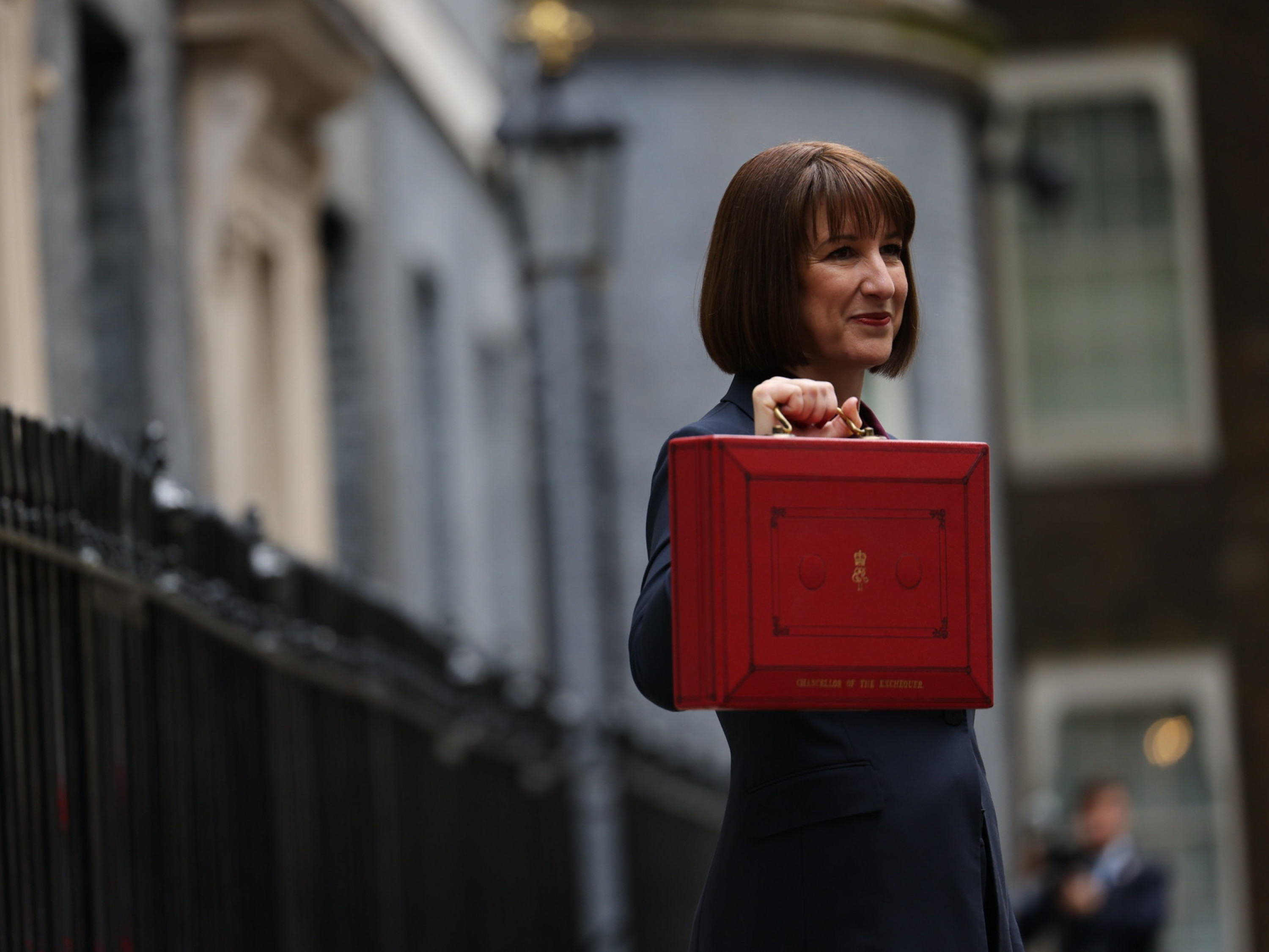
Yesterday, the Chancellor of the Exchequer, Rachel Reeves MP, announced her Budget. Among the measures included were:
Employer National Insurance will rise 1.2% to 15%, with the threshold dropping to £5,000 from £9,100.
Capital Gains Tax will increase from 18% for the lower rate and 24% for the higher rate and will apply to carried interest.
The Government confirmed its plan to freeze corporation tax for the duration of this Parliament.
Business Rates will be reformed by 2026-27, with permanently lower tax rates for retail, hospitality and leisure properties, funded by introducing a higher multiplier for the most valuable properties.
The National Living Wage, for employees aged 21 and over, will rise from £11.44 an hour to £12.21, with the 18-20 rate rising to £10, as the Government seeks to remove the disparity.
An increase of 50% to Air Passenger Duty for private jets.
Abolition of the remittance basis of taxation for non-UK domiciled individuals, replacing it with a residence based regime.
An increase to Alcohol Duty in line with RPI inflation.
Helen Brocklebank, Walpole CEO, said: "The Chancellor announced a budget aimed at ‘fixing the foundations’ yet the impact of some of the tax changes may worry businesses already dealing with increased margin pressure and dampened consumer demand."
However, perhaps an even greater cause for concern is the OBR’s growth projections.
"If, as the OBR predicts, growth will be just 1.6% in 2029, finding effective ways to stimulate growth should be the most urgent work of the Government. If it is to achieve its aim of making the UK economy the fastest growing of the G7, it must recognise the contribution of the UK luxury sector – £81bn in GDP and 454,000 jobs. It must also act fast to support this high-growth sector by restoring tax-free shopping, smoothing trade with the EU, and protecting world-renowned British craftmanship .”
> How will the Autumn Budget affect your business? Let Walpole know by emailing our public policy team
Image credit: Lauren Hurley / DESNZ