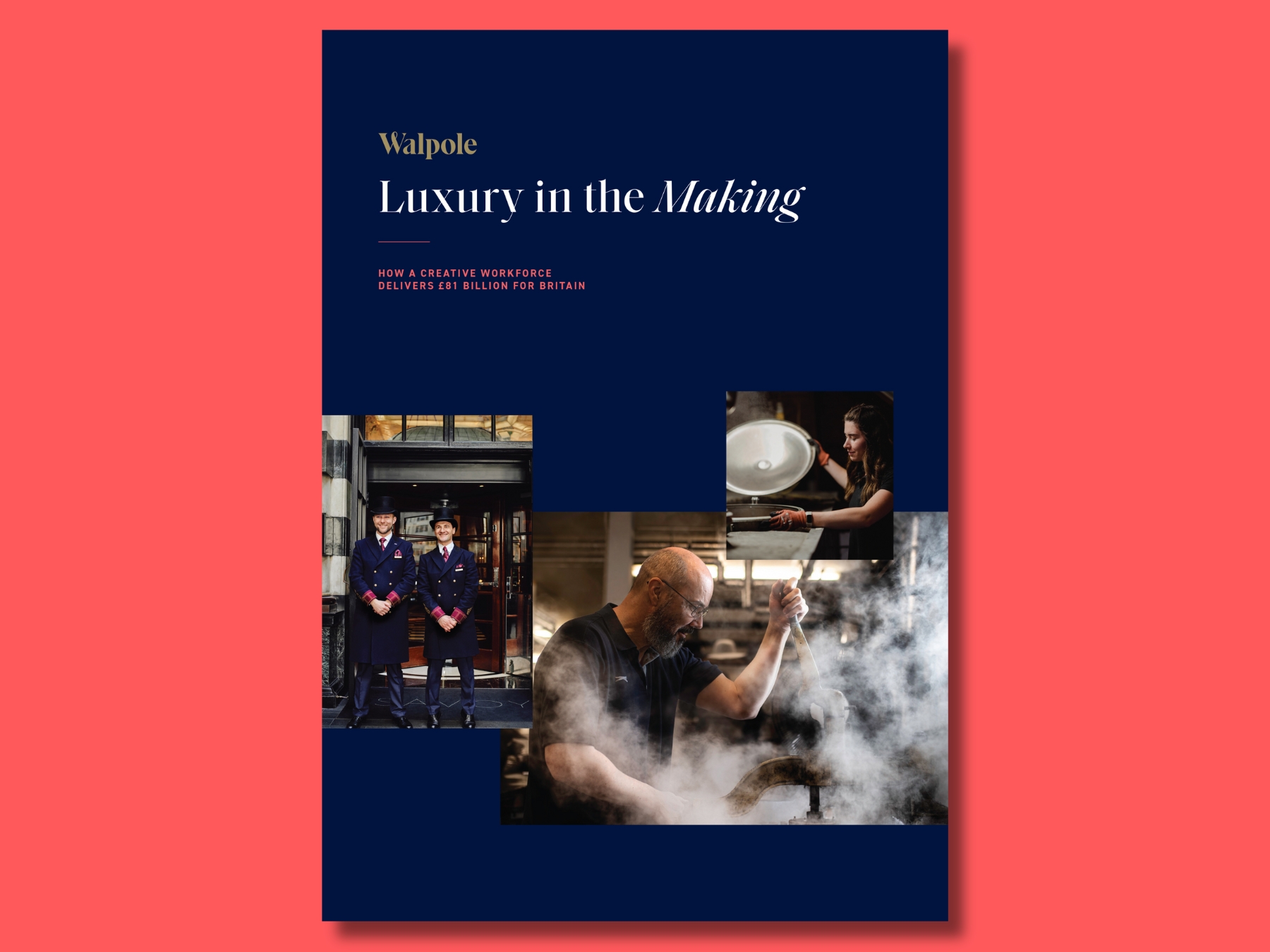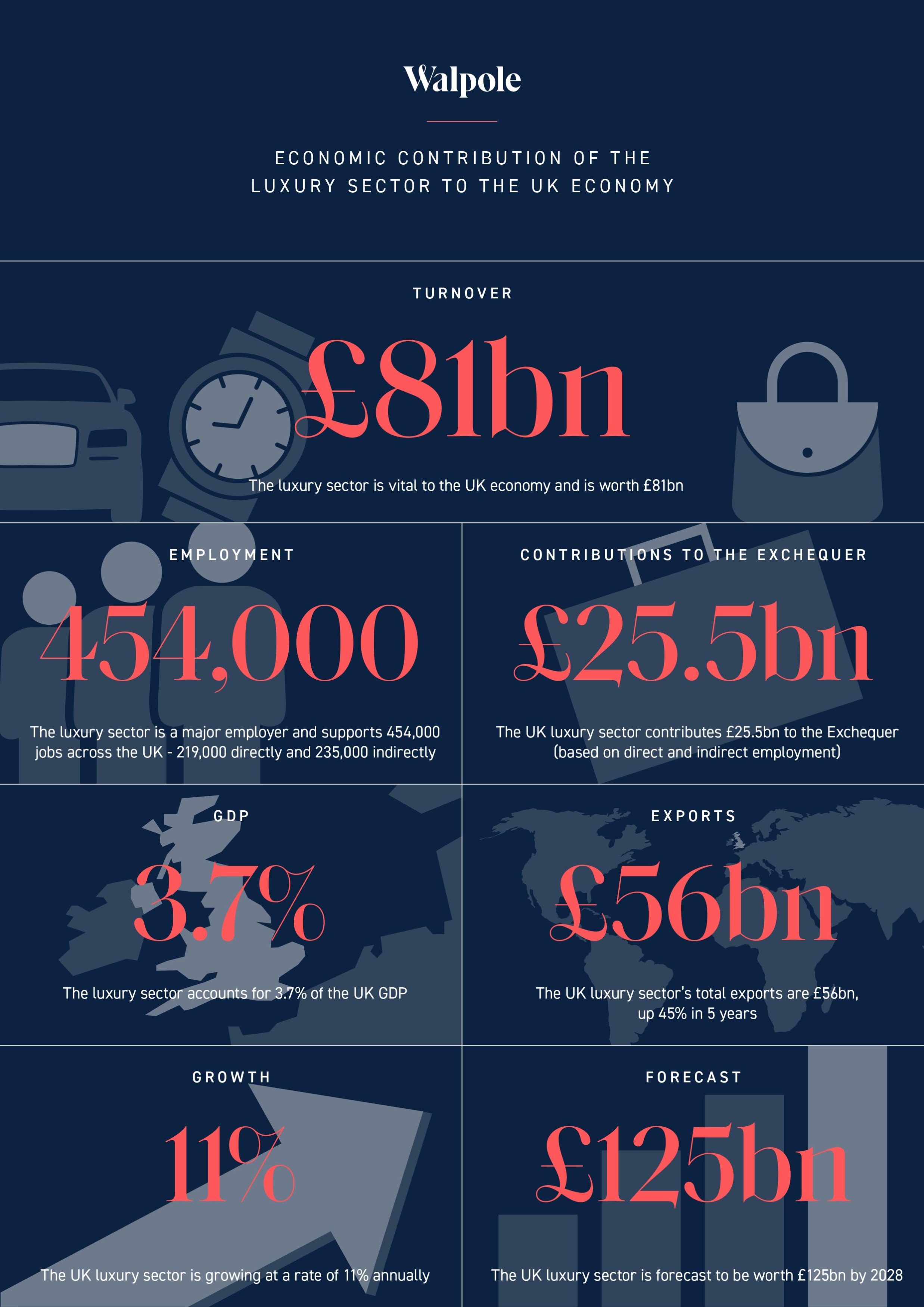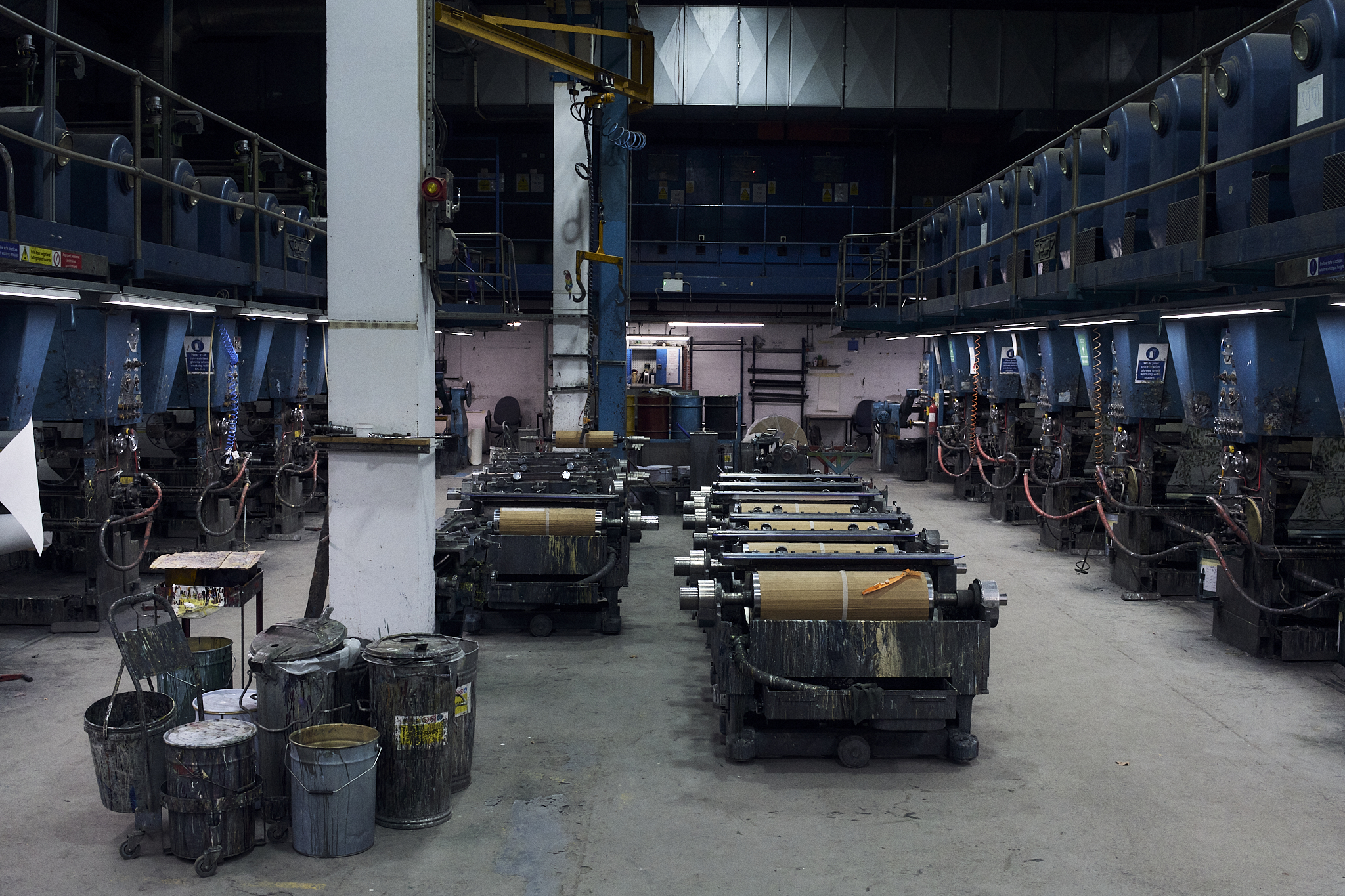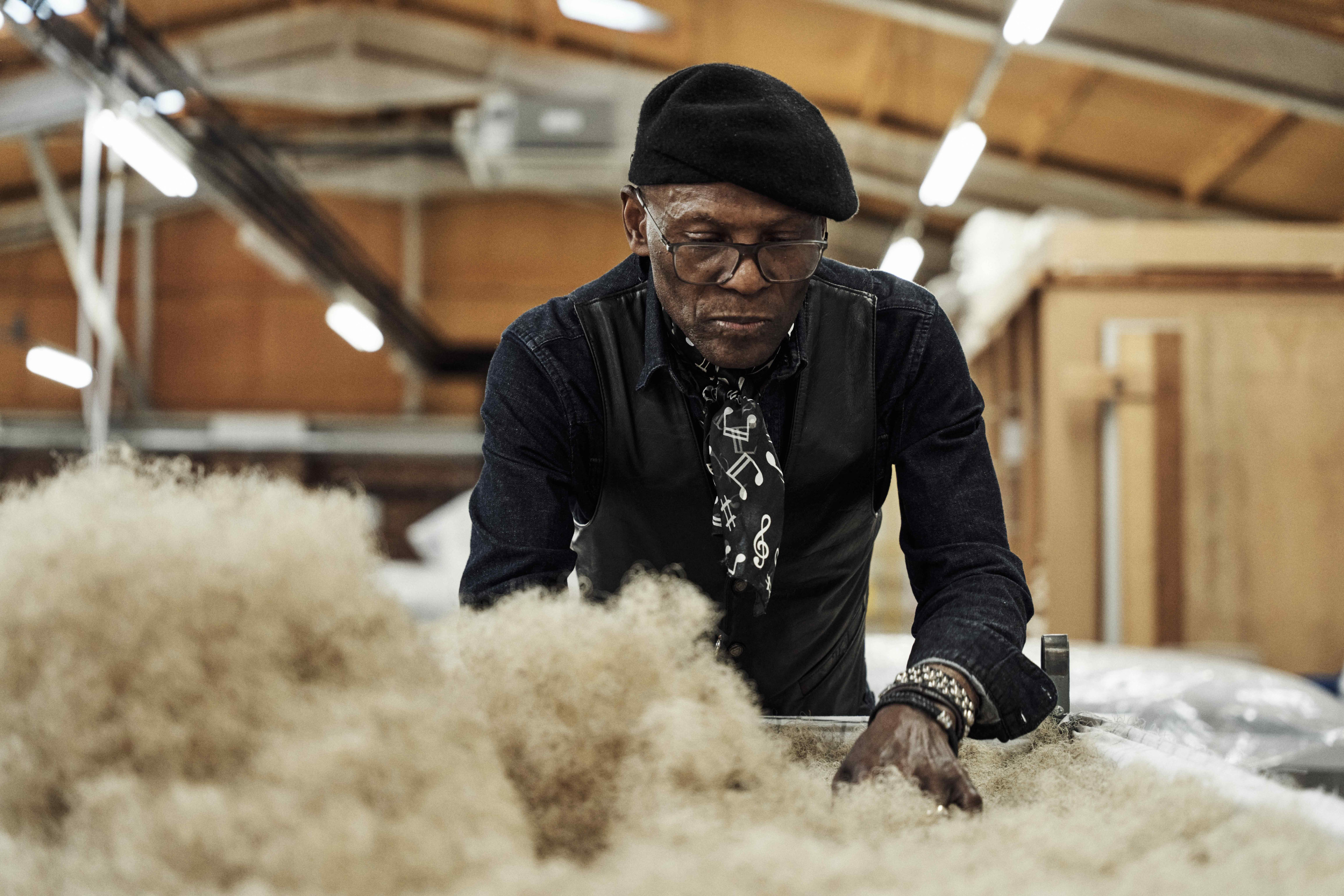
The UK’s luxury sector is now contributing £81bn a year to the UK economy and is helping the Exchequer raise £25.5bn in tax receipts – as revealed in our landmark new study, Luxury in the Making. Produced in association with Frontier Economics, the research has found that the luxury sector’s economic contribution (equivalent to 3.7% of GDP) has grown an impressive 69% over the last five years to 2022, with companies operating within British luxury now supporting 454,000 jobs, directly and indirectly across a range of roles – from design and digital, to high-tech manufacturing and heritage crafts.
The sector’s growth comes despite a challenging macro environment, including Britain’s departure from the European Union, the Covid-19 pandemic, supply chain issues and rising energy costs. However, our advice to the policymakers is that without tax reform and changes to intellectual property laws, the sector’s meteoric growth could stall.
"We are delighted to publish our first study for five years, and the most comprehensive to date, demonstrating that the British luxury sector is valued at £81bn and vital to the UK economy," says Helen Brocklebank, Chief Executive of Walpole. "We have quantified the significant high-quality employment offered by the sector throughout every region in the UK across hospitality, retail and manufacturing. The UK luxury industry deserves recognition and support to ensure our high-growth sector continues to flourish."
Walpole forecasts that, by 2028, British luxury could be contributing £125bn a year to the economy, meaning the sector would be generating more revenue than the life sciences and construction industries, which are currently worth £97bn a year and £110bn a year, respectively.
A key part of our report is an examination of the jobs and careers the luxury sector provides, how the industry benefits the people it employs and its impact on the broader UK economy, cutting across sub-sectors including whisky, sparkling wine, automotive, hospitality and fashion.