Why do you love the brand?
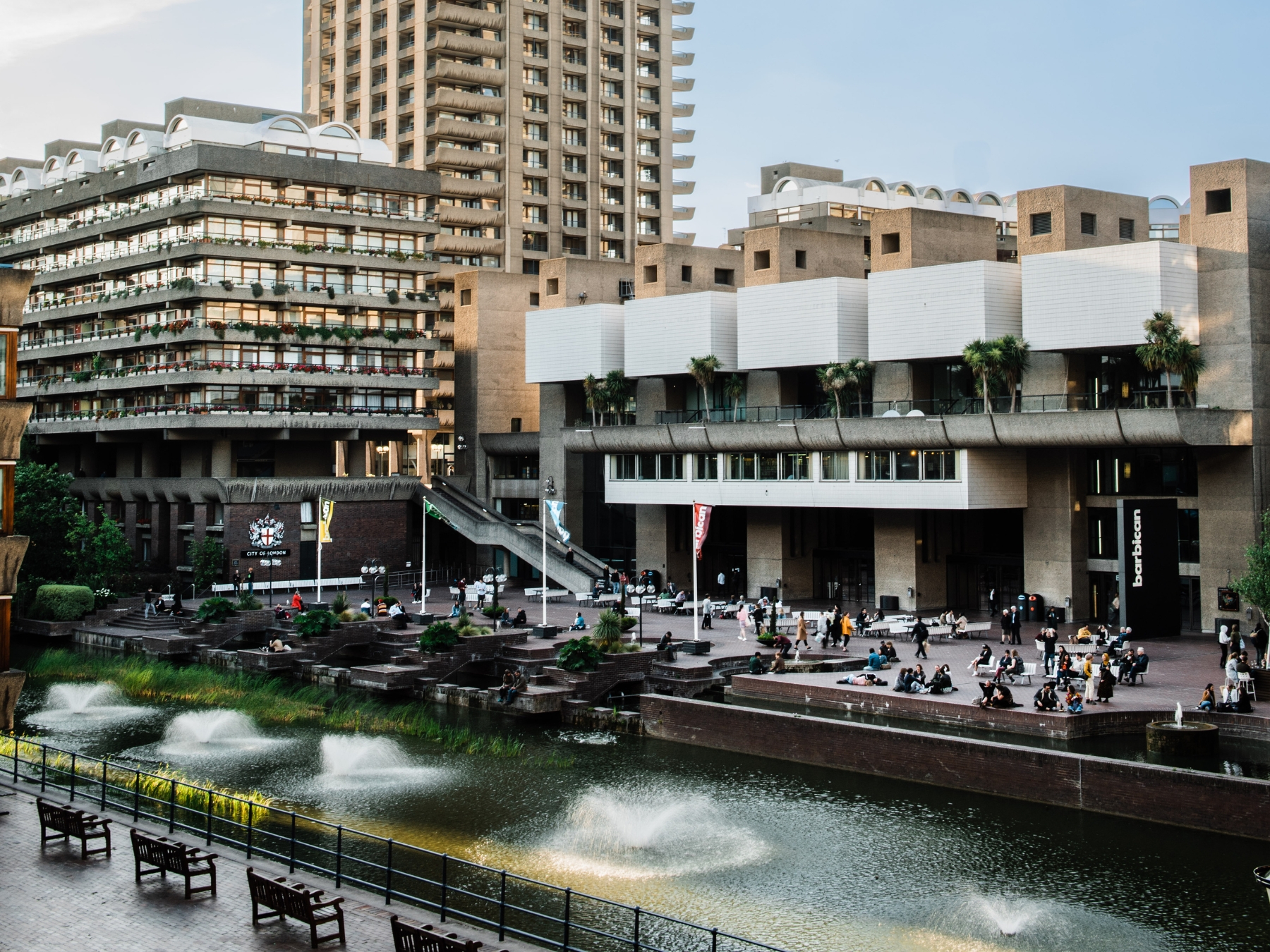
What inspires me about the Barbican are the founding principles that continue to shape it, and I think that is what draws so many of us to work here. As a resident, my affinity for the Barbican’s architecture is deeply personal. To me, the concrete represents far more than work or home, it is an invitation to a fuller way of life and a broader way of thinking. It embodies the vision of Henry Wrong – the Barbican’s first director – who saw the Barbican as a place where access to the arts was woven into the fabric of the everyday. I am immersed in this concrete ecosystem daily, as my home, my workplace, and my community, yet it continues to reveal itself in different ways. Its raw concrete forms and unexpected interiors create an atmosphere that leaves a lasting impact. Whether people love it or resist it, it invites conversation and debate, and that feels entirely aligned with what the Barbican stands for.
There is a real care in holding onto those ideas, particularly at a time when public funding for the arts is diminishing. It creates a certain urgency, between sustaining a civic space rooted in community and navigating the realities of the present – this is something we feel deeply responsible for carrying forward.
As we continue to evolve, we hope to maintain a welcoming and safe environment where audiences can move freely between our spaces, through bold public foyers and lush gardens to intimate cinemas and grand stages. In an era where cultural experiences are increasingly siloed, the Barbican offers something rare: a place where art, entertainment, learning and public life intertwine.
Why does your organisation represent the very best in British luxury?
The Barbican represents the very best in British luxury through its relationship to place, community and cultural practice. We are deeply conscious of our role within a national and local context, and our programme reflects the diversity and complexity of contemporary Britain. We work with artists based in the UK, including those from diaspora communities whose practices carry an international resonance, and through festivals, film, and cross-arts programming we engage directly with the cultural fabric of the city around us. This commitment to a multicultural, outward-looking Britain is central to how we define value and relevance.
As one of London’s most distinctive landmarks, the Barbican’s architecture has become a space that artists, designers and creative teams return to. Our raw concrete forms, layered terraces and unexpected interiors offer a setting that is both striking and adaptable, whether for editorial campaigns or live events.
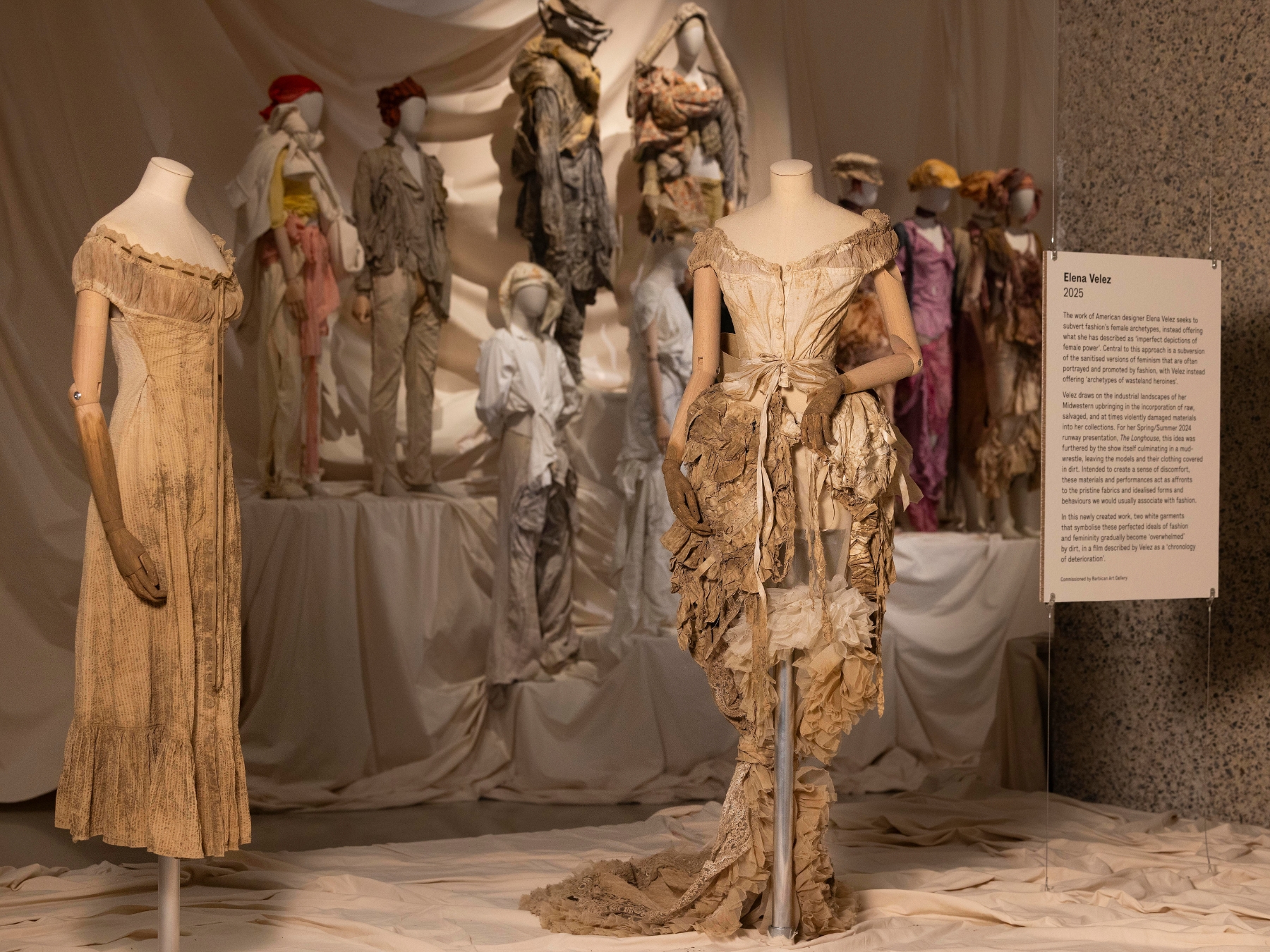
Our recent 2025 exhibition Dirty Looks: Desire and Decay in Fashion marked the return of fashion to the Barbican and was firmly rooted in a London context. The exhibition opened with Hussein Chalayan’s Central Saint Martins MA collection and was anchored by a series of new commissions, the majority of which were by London-based designers. Alongside established figures such as Alexander McQueen, this created a dialogue between generations, positioning London as both a historic and living centre of creative innovation.
This reflects a longer relationship between the Barbican and fashion. Designers including Roksanda have staged shows within the Centre, while the Conservatory and wider estate have become a setting for photography, film and brand activations. Across these collaborations, what is shared is a recognition of the Barbican as a space that brings depth, context and a certain edge to creative work.
What attracted you to becoming a Walpole member?
Becoming a Walpole member feels like a natural and purposeful step. With our aligning values in fashion, design, hospitality and culture, this is a chance to further contribute to the collective voice of British luxury.
Walpole appeals to us because it helps unify the organisations that shape the landscape of arts, fashion, music and culture. Your platform gives cultural institutions and luxury brands the opportunity to learn from and support one another, creating room for understanding what role luxury has to play in society. You operate as a space for collective ambition and community, rather than simply a network, which feels closely aligned with our own purpose.
We see Walpole as a vital point of connection and collaboration, where conversations with like-minded organisations can go further.
If you could collaborate with another Walpole member, which one would you chose?
It is difficult to identify a single Walpole member, as the breadth of the network reflects many of the values we hold at the Barbican, and I see strong potential across a number of these relationships.
Building on my role as Co-Curator of the 2024 Frieze Masters Talks, there is a natural synergy with dunhill, the lead sponsor of the talk series. Having successfully unified artists and thinkers, a collaboration could see impactful programming, while exploring the potential for long-term membership benefits. We also have existing relationships with the National Gallery and the National Portrait Gallery, who frequently loan works to support our exhibitions.
As we reintroduce fashion into the Barbican’s programme, Alexander McQueen’s presence in Dirty Looks feels particularly resonant to future collaborations, with clear potential to expand into public-facing commissions, spanning installation, performance and film. Leica also aligns naturally with the Barbican’s architectural identity and visual culture, offering opportunities for photographic commissions and exhibitions. There are too many to choose from.
Tell us about an exciting development or new launch for your brand in the coming months?
One of our most significant developments in the coming year is Project a Black Planet, a cross-arts season that brings together artists working across visual arts, music and cinema in celebration of Black culture and identity. Meanwhile in The Curve, we celebrate 20 years of commissioning with our current Julia Philips and upcoming Yuko Mohri installations.
An exciting summer revival is our Sculpture Court reactivation. For the first time in over a decade, the public commissions will relaunch with an installation by Delcy Morelos, where visitors will be able to immerse themselves in Morelos’ large-scale, site-responsive works that bring the natural world into dialogue with the Barbican’s architecture.
We are also looking ahead to moments that extend the Barbican’s reach within contemporary culture, including a world-first performance from Ariana Grande in the upcoming musical Sunday in the Park with George. Her presence signals the continued expansion of the Barbican’s audience, bringing global visibility while sitting in dialogue with the wider programme across art forms. Alongside this, we continue to build on the return of fashion within our programme, with plans for a major exhibition in 2027 that will explore fashion through an interdisciplinary lens.
barbican.org.uk