Kicking off the Lunar New Year celebrations with Walpole members last week at a lunch in China Tang at The Dorchester, the timbre of the conversation around China was noticeably different from recent years. In the years immediately following the pandemic, characterised by ever-shifting economic sands and a spending recalibration among China’s middle classes, many brands proceeded with caution in the Chinese market. Now, there is a renewed sense of optimism among both major luxury groups and smaller brands alike. This is evidenced by major investments in brand building such as Louis Vuitton’s The Louis cultural retail concept store in Shanghai, and confirmed by encouraging sales reports from houses including Burberry, Richemont, and LVMH.
Lunar New Year has long been a key cultural moment for luxury, and this year the themes of renewal feel thoroughly appropriate. The Year of the Fire Horse arrives at a moment when the industry feels ready to move forward again with a more confident sense of direction, and ready to reappraise its approach to a crucial market which accounts for around a quarter of global luxury spend.
As China’s luxury landscape has matured, so too has the conversation around it. Growth expectations are more measured, and there is an acknowledgement that the path to success lies in delivering on brand fundamentals – with short-term spikes in sales or visibility harder to come by. This investment in storytelling, craft, and cultural fluency is taking inspiration from China’s Guochao trend – pride in ‘Chineseness’, and both traditional and contemporary elements of Chinese culture – helping brands align with consumers’ desire for creativity and emotional depth.
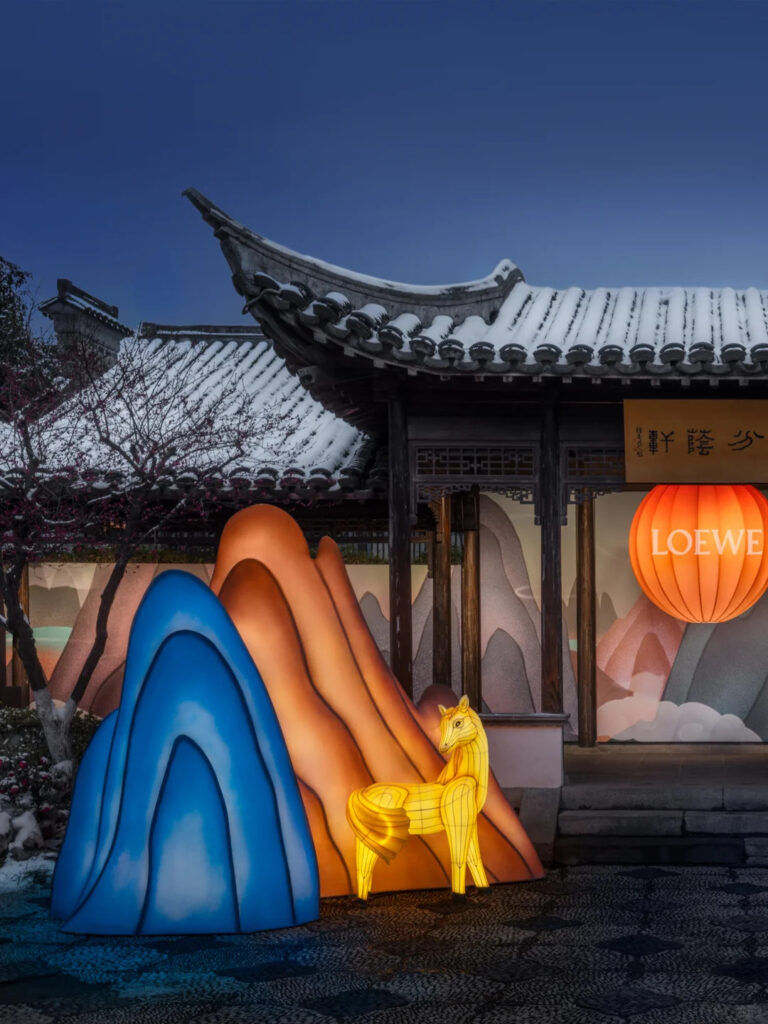
This trend was reflected strongly in this year’s Lunar New Year activations. Among the most compelling examples was Loewe’s campaign, which leaned into animation and artistic storytelling rather than traditional festive motifs. An animated short co-created with Shanghai Animation Film Studio reimagined the classic fable Little Horse Crosses the River – updating the tale to tie into the lantern festival. This combined with a physical ‘lantern fair’ installation in Shanghai, spotlighting the traditional Qinhuai Lantern style – aligning LOEWE’s artisanal identity with a respected local craft tradition.
The brand’s approach emphasised creativity and shared cultural references rather than overt symbolism. It illustrated a broader trend within luxury: cultural literacy that isn’t overly literal. For global brands operating in China, this balance between authenticity and artistic expression is becoming increasingly important.
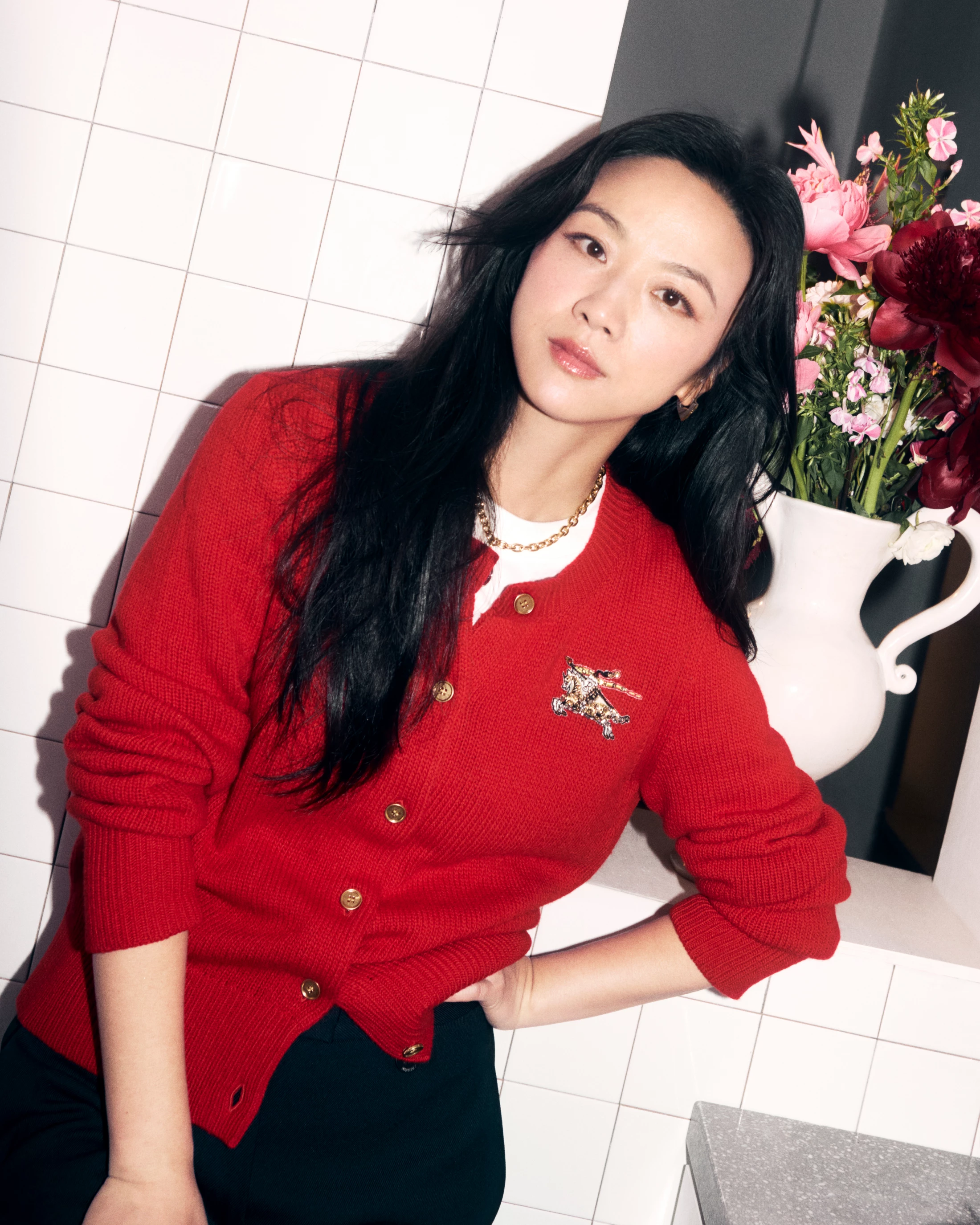
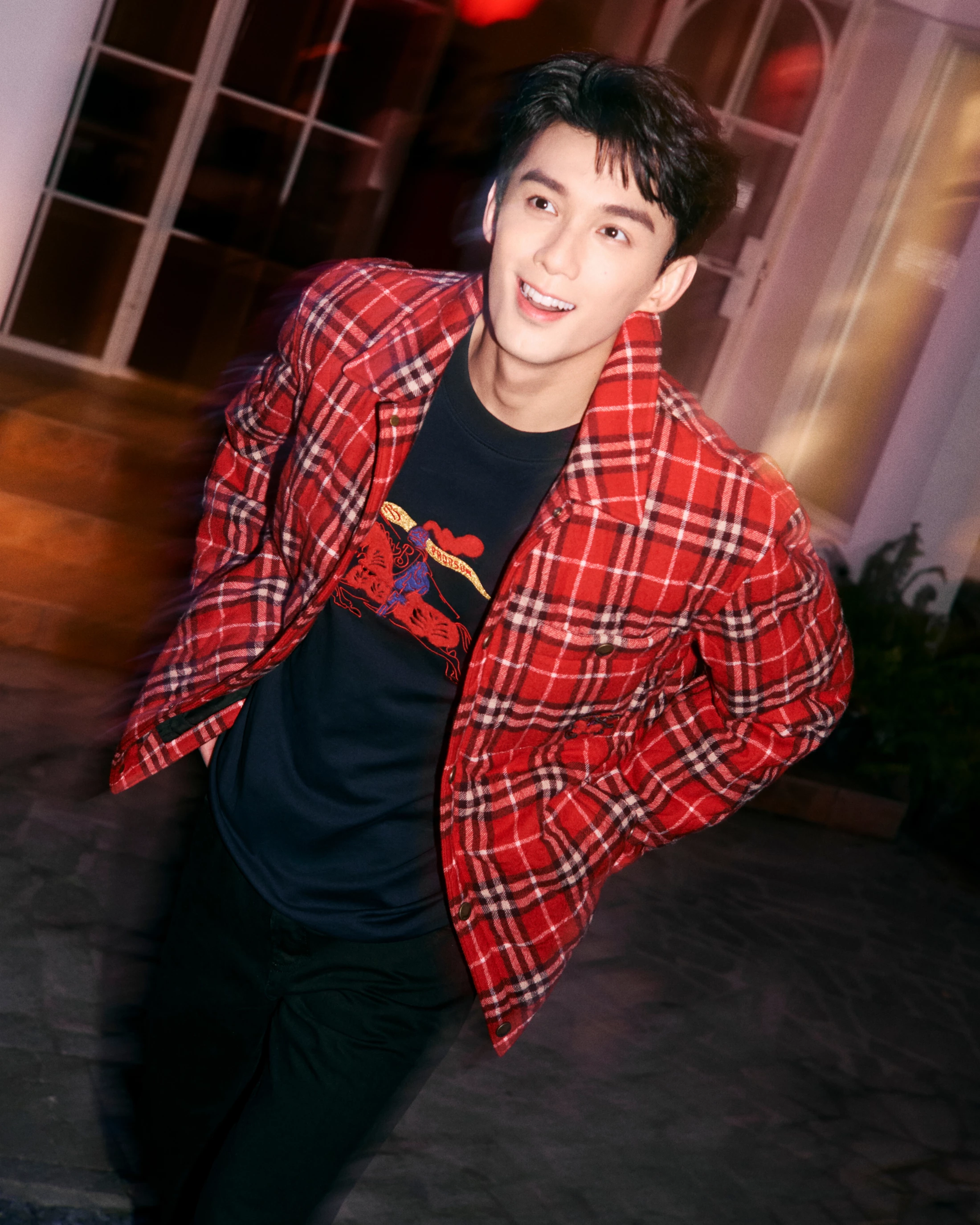
Burberry offered a different but equally revealing perspective. Its Lunar New Year film centred on movement and reunion, capturing moments of everyday travel and connection. While rooted in British heritage, the campaign felt aligned with both the rhythm of modern Chinese life and more traditional spring festival motifs, highlighting themes of togetherness and transition.
Both Loewe’s craft-led storytelling and Burberry’s cinematic approach suggests that Lunar New Year has become a platform for creative experimentation, where brands are embracing culture as a tool for brand evolution rather than simply as design inspiration for special edition products.
Perhaps the creative teams behind these campaigns have been inspired by the spirit of the Fire Horse. The Horse represents motion, exploration, and independence, and when in combination with the fire element the year is said to bring energy and momentum. After a period marked by restraint, the Fire Horse feels like a fitting metaphor for luxury’s renewed momentum in China: expressive, forward-moving and confident enough to take creative risks.
The symbolism of exploration is not only visible in festive campaigns, but also in China’s global luxury footprint: Bain estimates that 35% of Chinese luxury spend occurred outside of China in 2025. TONG’s bespoke survey for Walpole’s The State of Luxury London 2025 report, as well as conversations with Walpole members, confirm this rings true.
Findings from our research revealed that shopping remains a priority activity, but also highlighted the increasing focus on experience among HNWI travellers. For UK brands, this represents a significant opportunity. London continues to hold strong appeal for Chinese visitors, yet expectations around hospitality and service have evolved. Consumers are looking for seamless experiences that extend beyond retail, from private appointments and curated itineraries to culturally aware storytelling that bridges London and China.
What stands out to me in 2026 is a sense that brands are becoming more comfortable embracing complexity – and treating China as a more mature luxury market. Through acknowledging its diversity and cultural nuance, brands are moving into a new stage of localisation – evident in the way that they are leveraging partnerships, new content formats, and focusing on long-term engagement. For British luxury, this presents an opportunity to reinterpret the best of traditional craftsmanship, heritage and generational expertise through a contemporary lens, and embrace deeper collaboration and co-creation with China.
The conversations during this year’s Walpole Lunar New Year gathering revealed excitement for the future. Looking to the year ahead, the symbolism of the Fire Horse can act as an auspicious guide for British luxury – encouraging forward momentum, and allowing us to explore new creative paths.
Find out more about TONG Global at tong.global
Daily Luxury Digest
Sent every working day, the Daily Luxury Digest is your essential news source for the latest developments in the luxury sector both in the UK and around the world.