Earlier this month, ECCIA and Bain & Company’s report confirmed both the scale and potential of Europe’s high-end and luxury sector, currently valued at €986bn and contributing 5% of EU GDP. Britain accounts for a significant portion of that value, a testament to the strength of our high-value manufacturing, retail and hospitality industries.
Beyond being a vital contributor to the European luxury industry, it also marks a bright spot in Britain’s post-Brexit industrial future. The report celebrated centres of excellence across the continent: Île-de-France for fashion, Bavaria for engineering, Tuscany for craft, and Geneva for watchmaking. London remains a global hub for luxury retail and hospitality. But increasingly, it is Britain’s regions that stand alongside Europe’s finest, powering growth in design, production and experience-led luxury.
This extends from Bentley Motors in Crewe to Aston Martin and Jaguar Land Rover in the Midlands’ “Motorsport Valley”, to Rolls-Royce Motor Cars on the South Coast. These centres match the best in the world for design excellence, engineering capability and export performance.
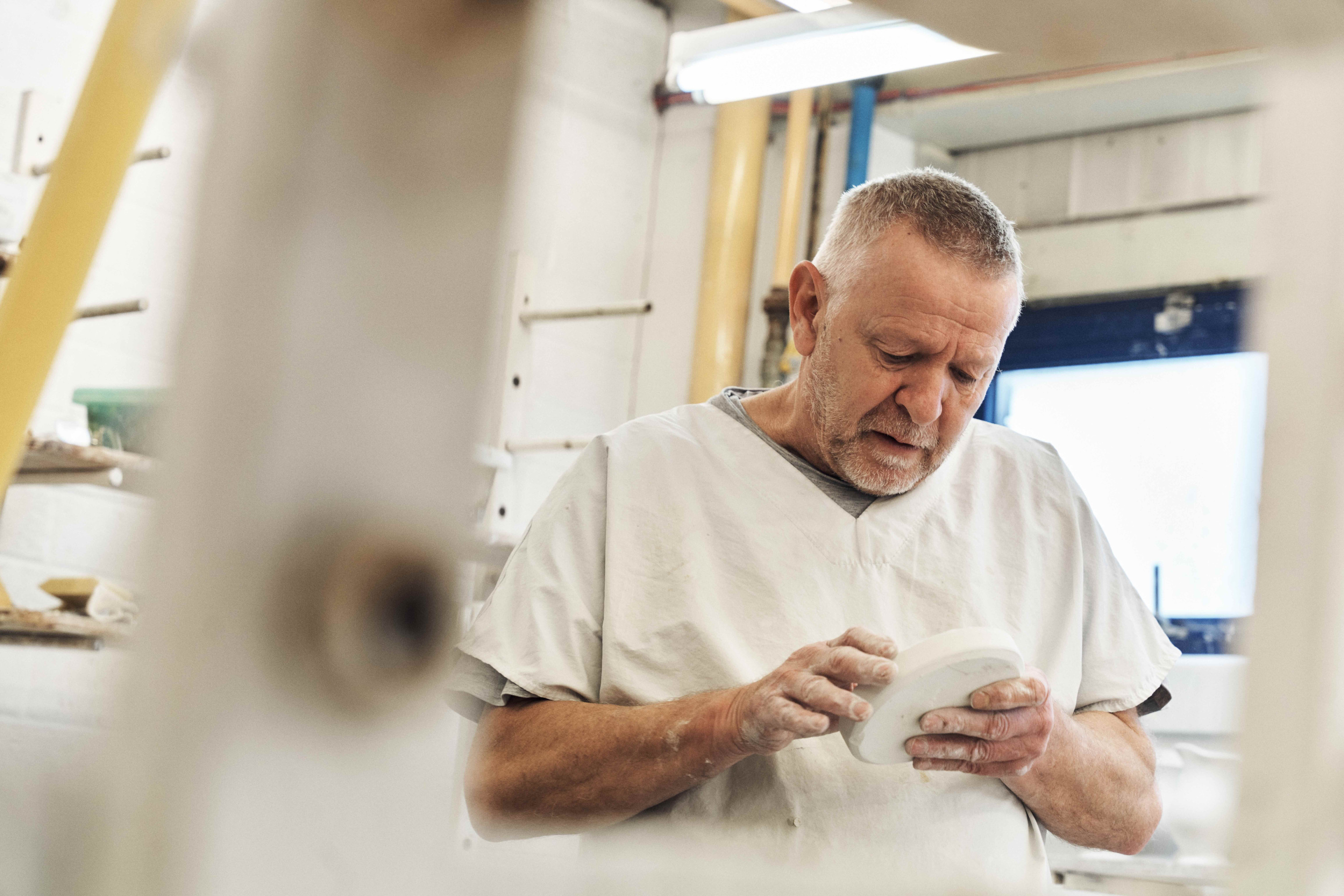
Burberry’s globally recognised designs, crafted in West Yorkshire, exemplify the international appeal of British creativity. In Northamptonshire, Church’s and Edward Green continue to set the benchmark for shoemaking, while Stoke-on-Trent’s ceramics industry remains central to the UK’s design economy. Collectively, these regions produce goods that carry British industrial excellence and, critically, investment appeal into the global marketplace.